



Bhutan Tour Packages
Bhutan is a Himalayan destination that has developed tourism on its own terms. Instead of building its identity around mass tourism, the country has placed strong emphasis on cultural preservation, environmental protection and sustainable development. That approach is part of what makes traveling through Bhutan feel different from visiting many other Himalayan destinations.
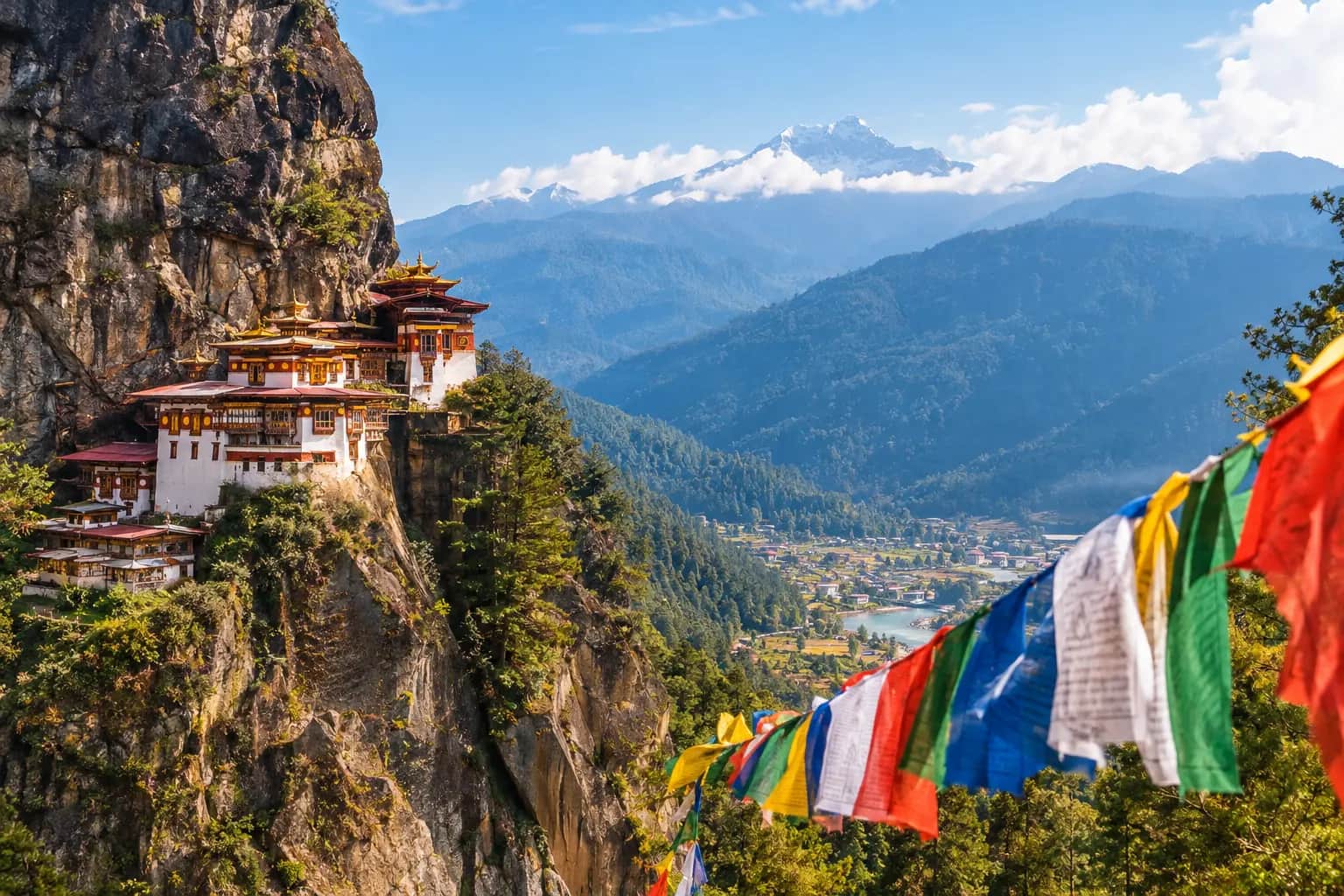
From the cliffside Tiger's Nest Monastery in Paro to the dzongs of Thimphu and Punakha, Bhutan offers a combination of Himalayan scenery, Buddhist culture, traditional architecture and living heritage. Its forests cover more than 70% of the country, while the Constitution requires at least 60% of Bhutan's total land area to remain under forest cover. Bhutan's official tourism policy also promotes a high-value, low-volume approach to tourism.
Bhutan is also known for Gross National Happiness, a development philosophy that places importance on cultural preservation, environmental conservation, good governance and social wellbeing alongside economic development. For visitors, that philosophy is visible in the country's protected landscapes, traditional architecture, religious festivals and carefully managed tourism industry.
Why Visit Bhutan?
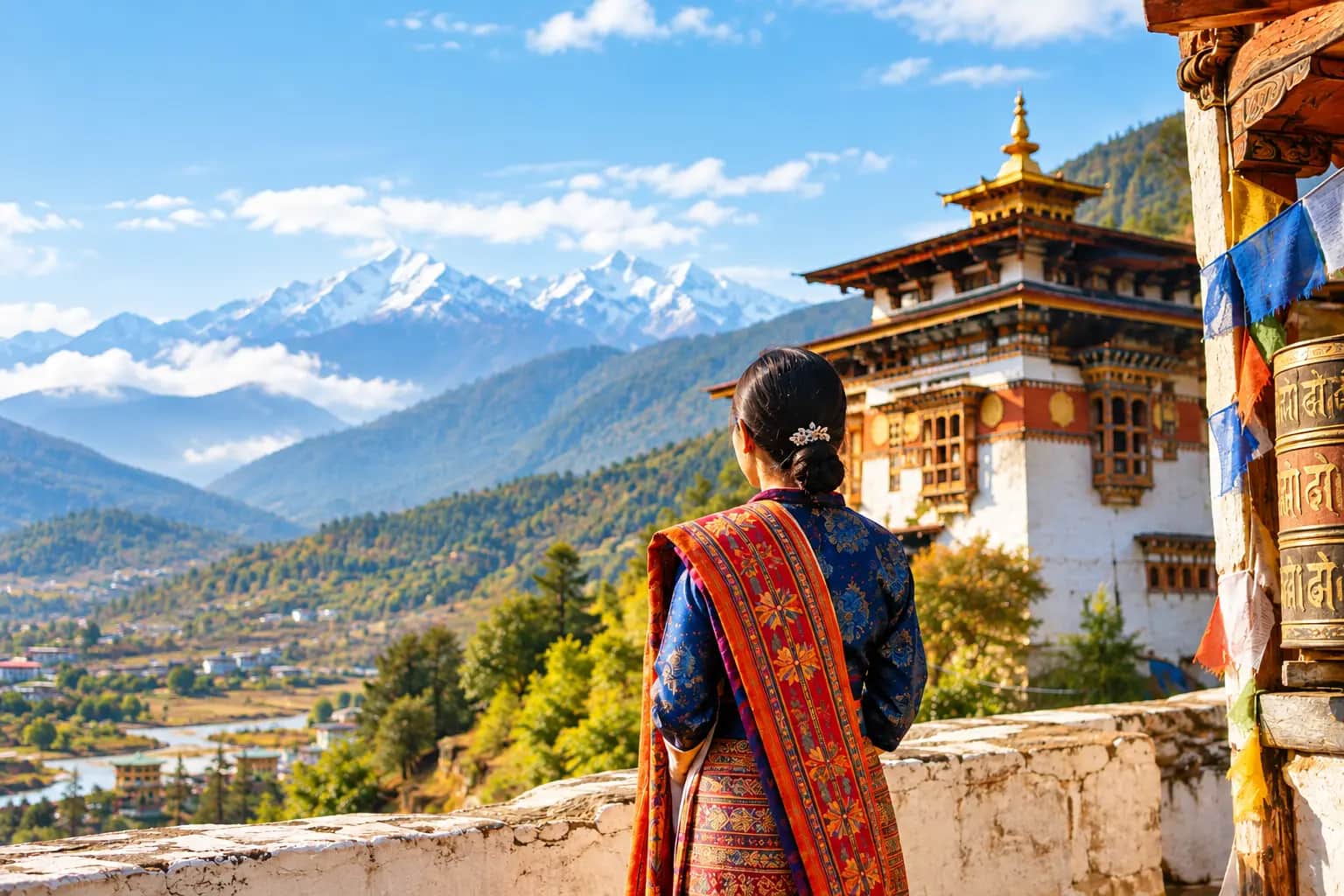
Bhutan offers a rare combination of dramatic Himalayan landscapes and a deeply rooted Buddhist culture. Ancient monasteries and dzongs remain part of everyday religious and community life, while traditional festivals continue to bring local communities together.
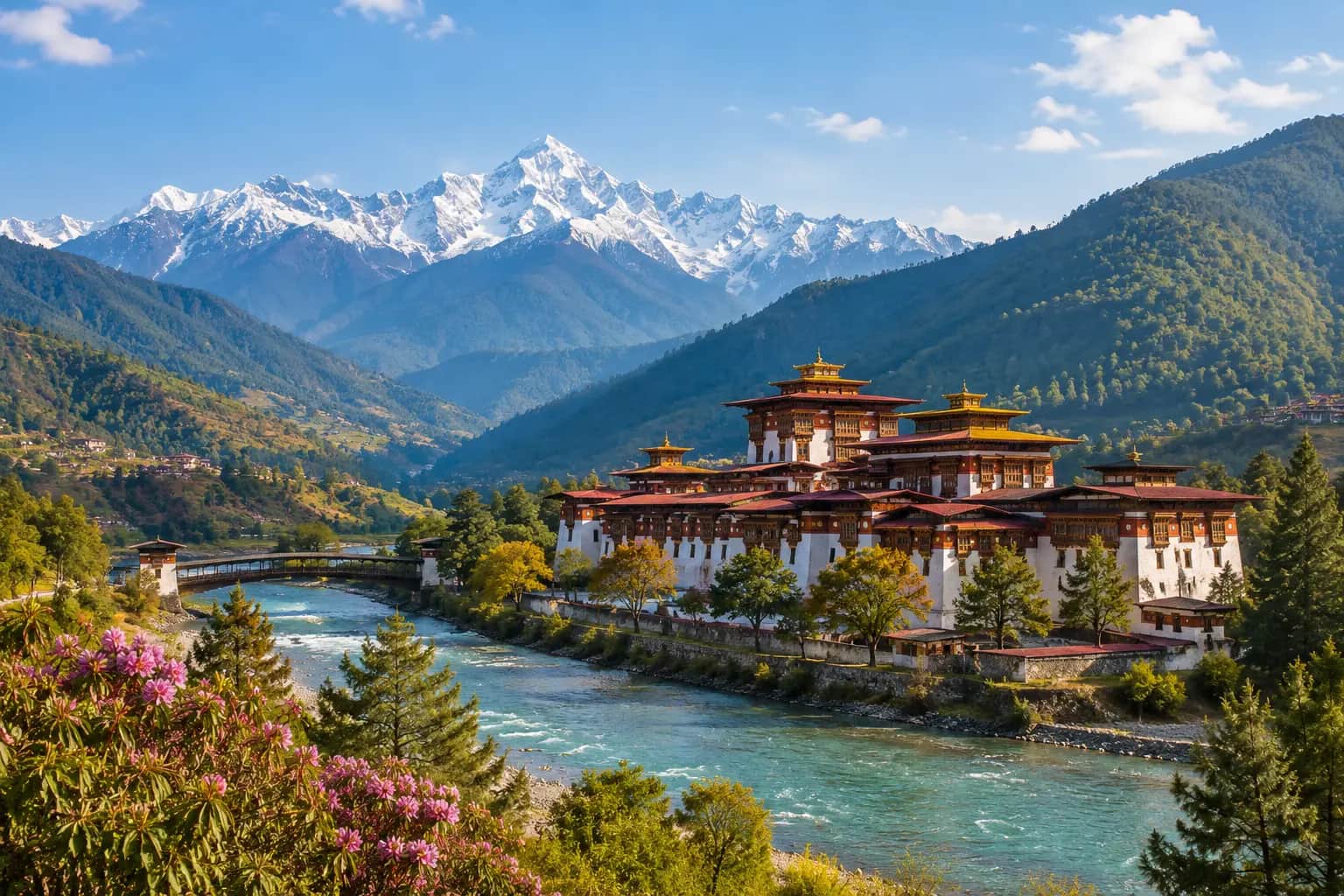
In Paro, hike to the famous Tiger's Nest Monastery, also known as Paro Taktsang, and explore the valley's historic temples and traditional architecture. In Thimphu, discover Bhutan's modern capital alongside important Buddhist institutions, markets, museums and the impressive Tashichho Dzong. Travel further east to Punakha to see Punakha Dzong, one of Bhutan's most important historic buildings, set at the meeting point of the Pho Chhu and Mo Chhu rivers.
Beyond the major landmarks, Bhutan is a destination for slower travel. Mountain roads lead through forested valleys, prayer flags cross high mountain passes, and traditional villages sit alongside centuries-old monasteries and temples. Depending on your itinerary, you can combine cultural sightseeing with hiking, trekking, photography, wildlife experiences and local festivals.
Bhutan Travel at a Glance
Visa and Sustainable Development Fee
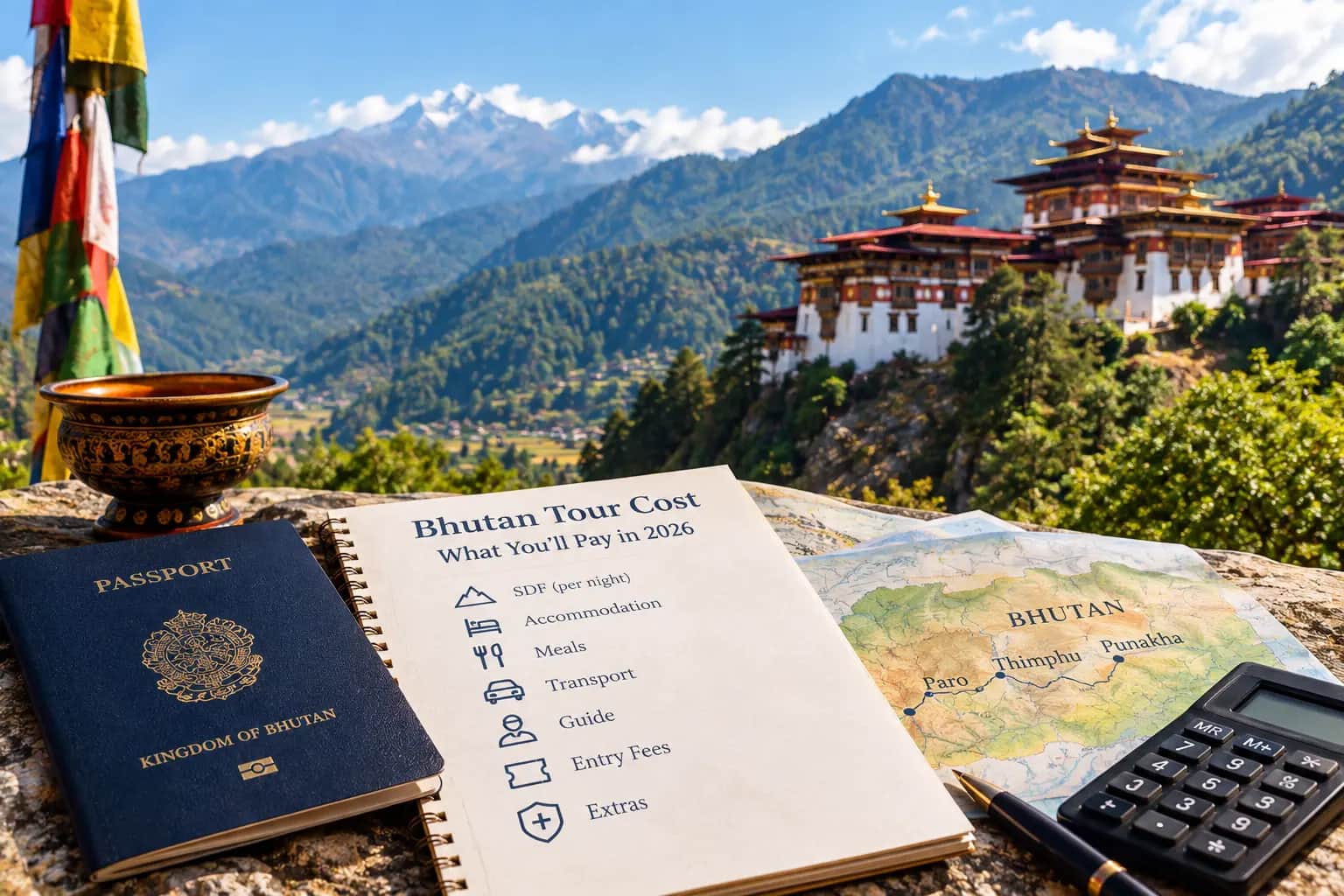
Most international visitors need a visa before traveling to Bhutan. The current Sustainable Development Fee is US$100 per adult per night, with concessionary rates for children. A one-time US$40 visa application fee also applies to visitors who require a visa. Applications can be made online, or a tour operator or hotel can apply on the traveler's behalf. Travelers from India, Bangladesh and the Maldives follow different entry and fee arrangements.
The Sustainable Development Fee contributes to programs supporting areas such as education, healthcare, environmental conservation, cultural preservation, infrastructure and local economic development.
Best Time to Visit Bhutan
Spring, from March to May, brings blooming rhododendrons, comfortable temperatures and good conditions for sightseeing and trekking.
Autumn, from September to November, is another popular period, with generally clear mountain views and a busy calendar of cultural festivals.
Winter, from December to February, can be cold at higher elevations but offers quieter travel and clear conditions in parts of western Bhutan.
Summer, from June to August, brings the monsoon season. Rain can affect mountain roads and visibility, but the valleys remain green and travelers can experience a quieter side of Bhutan.
The best time to visit depends on whether your priority is trekking, cultural sightseeing, photography, festivals or quieter travel.
Currency in Bhutan
Bhutan's currency is the Bhutanese Ngultrum (BTN). The Indian Rupee is also widely used, although some Indian currency denominations may have restrictions. Tour prices for international visitors are commonly quoted in US dollars.
Language
Dzongkha is Bhutan's national language. English is widely used in education and tourism, and English-speaking guides are available for international travelers.
Travel Insurance
Travel insurance is recommended for Bhutan, particularly for travelers planning hikes, trekking or journeys through remote mountain areas. Coverage for medical treatment, trip interruption, delays and emergency assistance can be useful when traveling in mountainous terrain.
Choose Your Bhutan Tour
Whether you have four days or a full week, Himalaya Vibes Holidays offers Bhutan itineraries designed around different travel styles and available time.
3 Nights 4 Days Bhutan Tour
Short on time? The 3 Nights 4 Days Bhutan Tour focuses on the essential highlights of Paro and Thimphu, including the iconic Tiger's Nest hike. It is designed for travelers who want a compact introduction to Bhutan without spending a full week on the road.
Glimpses of Bhutan, 4 Days
The Glimpses of Bhutan 4 Days tour covers the country's key cultural highlights at a comfortable pace. It is suited to first-time visitors looking for a straightforward introduction to Bhutanese culture, architecture and Himalayan scenery.
Golden Triangle Bhutan Tour, 6 Days
The Golden Triangle Bhutan Tour 6 Days expands the journey beyond Paro and Thimphu to include Punakha and Dochula Pass. This route connects three of western Bhutan's most important destinations and gives travelers more time to experience the country's landscapes, monasteries and cultural heritage.
Majestic Bhutan, 7 Days
The Majestic Bhutan 7 Days itinerary follows a similar western Bhutan circuit with an additional day, allowing more time for sightseeing and a less hurried travel experience.
Dagala Thousand Lakes Trek
For travelers who want to experience Bhutan on foot, theDagala Thousand Lakes Trek combines high-altitude mountain scenery, alpine landscapes and remote Himalayan trails near Thimphu. It offers a different perspective on Bhutan beyond its cultural landmarks and valley towns.
Places to Visit in Bhutan
Paro
Paro is home to Tiger's Nest Monastery, one of Bhutan's most recognizable landmarks. The valley also contains historic temples, traditional Bhutanese houses, Paro Dzong and the country's main international airport.
Thimphu
Thimphu is Bhutan's capital and administrative center. Visitors can explore Tashichho Dzong, Buddha Dordenma, the National Memorial Chorten, traditional markets and museums while experiencing the contrast between Bhutanese traditions and modern city life.
Punakha
Punakha was Bhutan's former capital and remains one of the country's most important cultural destinations. Punakha Dzong, located at the confluence of the Pho Chhu and Mo Chhu rivers, is one of the defining landmarks of the Punakha Valley.
Dochula Pass
Located on the road between Thimphu and Punakha, Dochula Pass is known for its mountain views and the 108 Druk Wangyal Chortens. On clear days, the pass offers views toward the high Himalayan peaks.
Bhutan's Himalayan Trails
Bhutan also offers trekking routes ranging from shorter hikes to demanding high-altitude journeys. Depending on the route, trekkers can experience alpine lakes, mountain passes, forests, remote villages and some of the country's most isolated landscapes.
Things to Do in Bhutan
Hike to Tiger's Nest
The hike to Paro Taktsang, commonly known as Tiger's Nest, is one of Bhutan's signature experiences. The monastery sits high on a cliff above the Paro Valley and is reached by a mountain trail.
Visit Bhutanese Dzongs
Dzongs combine religious, administrative and architectural traditions unique to Bhutan. Visiting historic dzongs in places such as Paro, Punakha and Thimphu provides insight into Bhutan's history and Buddhist culture.
Experience a Tshechu Festival
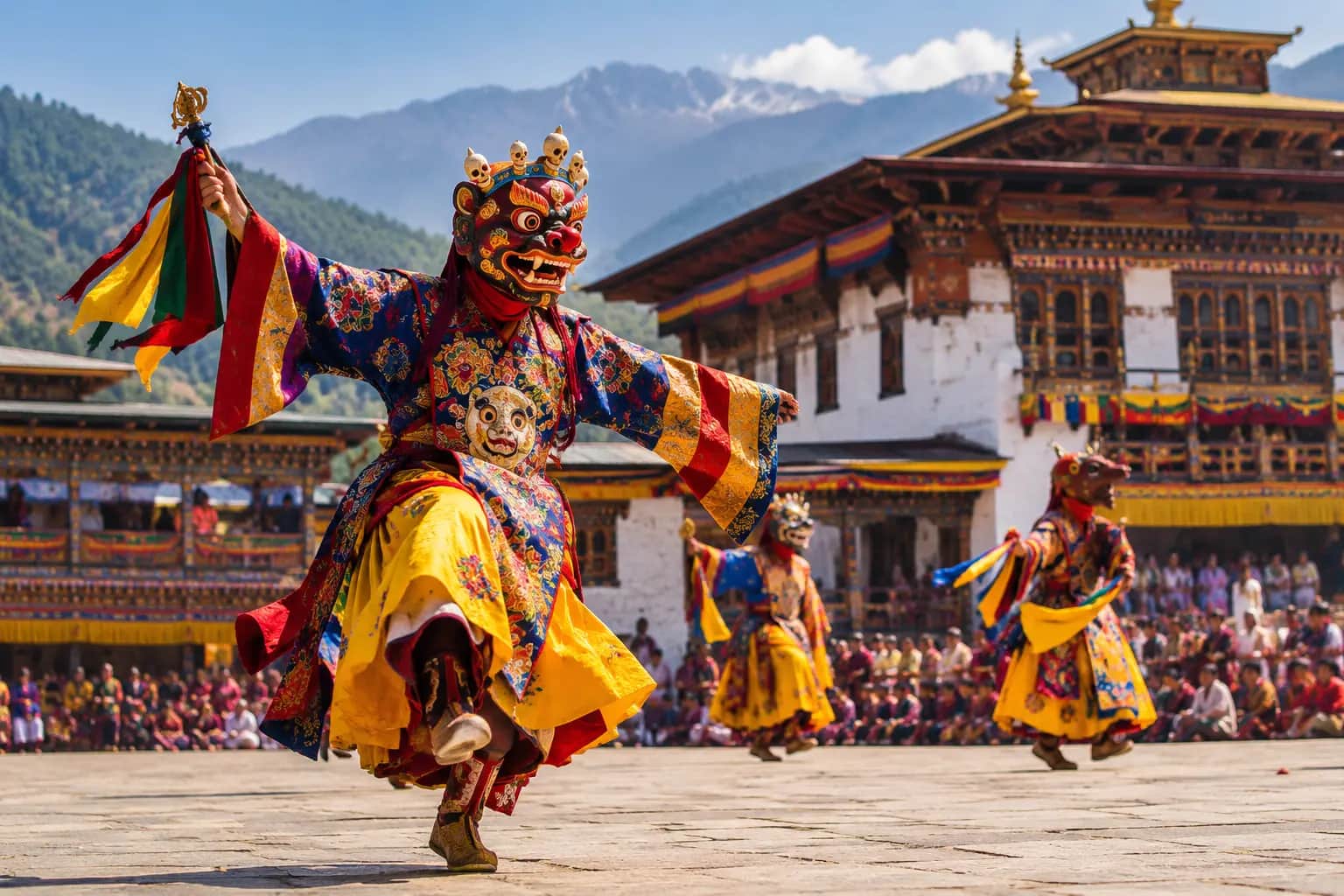
Bhutan's Tshechu festivals feature masked dances, traditional music, religious ceremonies and community gatherings. Festival dates vary by location and lunar calendar, so travelers interested in attending a particular festival should plan their itinerary around the published dates.
Explore Bhutanese Food
Bhutanese cuisine is known for dishes such as ema datshi, made with chilies and cheese, as well as red rice, momos and a variety of local vegetables and meat dishes.
Trek in the Himalayas
Bhutan's trekking routes range from relatively accessible hikes to challenging high-altitude journeys. Trekking permits, guides, equipment and route conditions vary by trek, so the itinerary should be planned according to the season and the traveler's experience.
Bhutan Culture, Traditions and Etiquette
Bhutan's monasteries, dzongs, temples and religious festivals are active parts of community life. Visitors should dress respectfully when entering religious sites, follow instructions from guides and site authorities, and avoid photographing restricted areas.
Remove hats and shoes where required, ask before photographing people, and avoid touching religious objects unless invited to do so.
Traveling respectfully is especially important in Bhutan because many of the places visitors explore are not simply historic attractions. They remain places of worship, government and community life.
Sustainable Tourism in Bhutan
Environmental conservation is central to Bhutan's tourism model. The country's Constitution requires a minimum of 60% forest cover, while Bhutan's current forest cover is above 70%. The government also maintains an extensive network of protected areas and promotes ecotourism as part of its wider development approach.
The Sustainable Development Fee is one part of this system. According to Bhutan's Department of Tourism, SDF revenue supports areas including environmental conservation, cultural preservation, healthcare, education, infrastructure and local economic development.
Travelers can contribute by reducing plastic waste, respecting religious and natural sites, supporting local businesses and craftspeople, and following the guidance of local guides.
Plan Your Bhutan Trip
Before You Go
Start by checking the latest Bhutan visa and Sustainable Development Fee requirements. Entry rules and fees can change, so travelers should confirm the current requirements before booking flights.
Then consider how much time you have and what you want to experience. A four-day itinerary works well for Paro and Thimphu, while six or seven days allows you to add Punakha and travel at a more relaxed pace.
If trekking is your priority, allow additional time and choose your route according to the season, altitude and difficulty.
When to Visit
Choose spring or autumn if mountain views, comfortable sightseeing weather and festivals are your priorities. Consider winter for quieter travel in western Bhutan or summer if you do not mind rain and want greener landscapes and fewer visitors.
How to Get to Bhutan
Most international visitors arrive through Paro International Airport, although Bhutan also has designated land entry points. Your itinerary can be planned around your arrival point, travel dates and destinations.
How to Book a Bhutan Tour
Himalaya Vibes Holidays can help organize your Bhutan itinerary, including accommodation, transportation, sightseeing, guides and the arrangements required for your trip.
Start by choosing the itinerary that matches your available time, then contact our team to confirm dates, group size, accommodation preferences and any activities you would like to add.
Start Planning Your Bhutan Journey
Bhutan offers something increasingly uncommon in modern travel: the opportunity to experience a Himalayan country where culture, nature and tradition remain central to the way tourism is developed.
Whether you have four days to explore Paro and Thimphu, a week to travel through Punakha and the western valleys, or more time for a Himalayan trek, the right itinerary depends on how you want to experience Bhutan.
Explore our Bhutan tour packages and start planning your journey with Himalaya Vibes Holidays.
Related Bhutan Guides
- Bhutan Visa and Sustainable Development Fee Guide
- Bhutan Tour Cost Guide
- Best Time to Visit Bhutan
- Bhutan Culture, Traditions and Etiquette
- Places to Visit in Bhutan
- Tiger's Nest Monastery Hike Guide
- Bhutan Festivals Guide
- Trekking in Bhutan
- Bhutan vs Nepal vs Tibet
- How to Book a Bhutan Tour
Commonly Asked Questions