



Destination
Nepal Tour
Duration
14 days and 13 nights
Difficulty
Moderate
Max. Elevation
4200 m
Group Size
Max. 10 pax
Accommodation
Standard Options
Vehicles
N/A
Food
Bed included, includes: No meals included
The Upper Mustang Trek and Jeep Adventure offers tourists a rare opportunity to experience the Kingdom of Lo, a secluded Tibetan Buddhist enclave that was largely closed to outsiders until recent decades. It is a cultural exploration and adventure trip through high-altitude areas, featuring remote villages, ancient monasteries, and spectacular Himalayan mountain scenes. Starting with the national traffic of Kathmandu, the tranquility of the lakeside in Pokhara, and culminating in the barren deserts of Upper Mustang, the tour offers a blend of city touring, cultural travel, and off-road adventure.
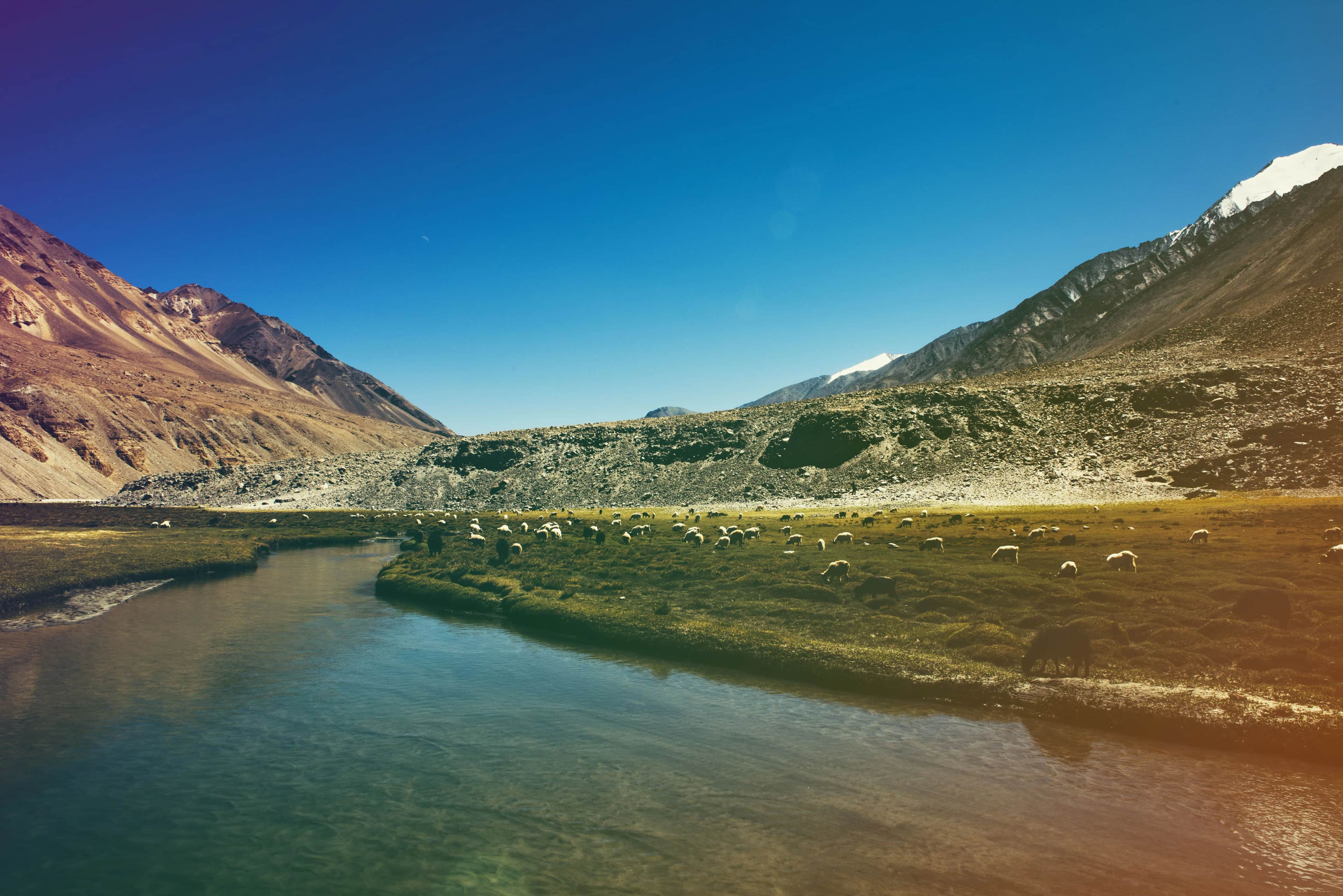
Travelling and driving through Mustang, you should have a dramatic landscape: carved canyons, deep gorges, cliffs cut by the wind, and isolated locations of cave villages. The road passes by centuries-old fortresses, gompas, and stupas, offering a closer insight into the traditions of Tibetan Buddhism and local customs. Animal viewing, terraced fields, and sweeping vistas of towering snow-capped mountains are interspersed every day, making it a trip that is both breathtaking and a cultural experience.
The pace of the adventure is also well-timed, as it combines both trekking and riding in a jeep to ensure a more immersive and comfortable experience. Visitors can explore the walled city of Lo Manthang, featuring the spiritual Namgyal Gompa and the cave monasteries of the Chosar Valley. In addition to these attractions, there are also several places to see in Kathmandu and Pokhara when vacationing in Nepal, and therefore this 14-day itinerary will be an all-around trip and exploration of the unseen north of Nepal.
- Cultural Highlight: Explore the ancient walled city of Lo Manthang, complete with centuries-old palaces, monasteries, and Tibetan Buddhist sites.
- Scenic Highlight: Gawk at the bare landscapes of Mustang, including deep canyons and dry valleys, and snow-tipped Himalayan mountains.
- Adventure/Trekking Highlight: Hike along mountain-top routes that pose a challenge to the trekker but still offer the most amazing scenery of isolated villages and rugged terrain.
- Historical Highlight: Visit ancient caves, chortens and obscure monasteries that represent the history and seclusion of Upper Mustang.
- Flora and Fauna Highlight: Witness unique desert-adapted plants and rare Himalayan wildlife on the trek, including ibex, blue sheep, and wild rhododendrons.
The trip starts at Kathmandu, where the tourists visit UNESCO World Heritage sites, local markets as well as religious temples. And there a scenic flight to Pokhara, followed by a brief domestic flight to Mustang, through Jomsom, the entrance to Mustang. It begins at Kagbeni and steadily increases in elevation, passing through the remote villages of Ghami, Tsarang, and Yara. The intervals of the trek are relieved by the use of a jeep, which provides travel between major interest points, minimizing the effort of trekking and allowing for as much time as possible to be spent exploring.
The Upper Mustang trail is a cultural adventure that is accompanied by high-altitude trekking. The central activity is the medieval walled capital of Lo Manthang, and trips to nearby valleys, monasteries, and cave complexes can provide more information about the region's history, spiritual life, and Tibetan Buddhist heritage. Mustang segment - Once the Mustang segment is completed, travelers move backwards to Jomsom and then return to Kathmandu through Pokhara, completing the tour with a blend of adventure, culture, and reflection.
- Day01Day 1: Arrival in Kathmandu
Be welcomed in Kathmandu by your guide. As per the time of arrival, venture into the colorful streets of Thamel and have a walking tour of the nearby bazaar then move on to Kathmandu Durbar Square and appreciate the old palaces and temples. Leisure time in the evening with the possibility of having meals at the local restaurants.
- Day02Day 2: Kathmandu Sightseeing
Sightseeing tour of the Kathmandu Valley. Visit the ancient architecture of Patan Durbar Square, the huge structure and spiritual ambiance of Boudhanath Stupa, and the spiritual Hindu grounds of Pashupatinath Temple, situated by the Bagmati River. Study the local culture, rituals and architecture during the day.
- Day03Day 3: Fly to Pokhara
It is a short mountain flight to Pokhara, and along the way, Himalayan peaks are passed. Reach the town situated by the lake and spend your time relaxing and sightseeing around Phewa Lake, World Peace Pagoda, local markets, or take optional adventure tours, such as paragliding and mountain biking.
- Day04Day 4: Flight to Jomsom, Hike to Kagbeni (2,900 m)
Fly to Jomsom and begin your walk along the Kali Gandaki River Valley to Kagbeni. Take a stroll up to this oasis town, several hours away, with its ancient citadel, barley fields, Sayka Gompa, and the 100-room ruins of the King’s Palace.
- Day05Day 5: Visit Ghami: Kagbeni to Ghami, Geling
Ride a jeep in Upper Mustang and cross some dramatic cliffs, tunnels and rivers. Explore villages such as Geling, Shyangmochen, and Samar to see Tibetan-style buildings, cave homes, and traditional fortified houses. Complete the day in Ghami, where you can enjoy panoramic views of the valley.
- Day06Day 6: Trek Ghami to Tsarang (3,585 m)
Start the walk out of Ghami, cross bridges and climb to Mui La. Visit Dhakmar and Lo Gekar with ancient chortens, sky burial ground and Ghar Gompa. Spent the day: Tsarang End the day in Tsarang, with its walled village, irrigation system, guesthouses, and 14th-century Tsarang Dzong and Gompa.
- Day07Day 7: Tsarang to Lo Manthang (3,820 m) drive
Travel in the dirt roads along the multi colored canyons and desert scenery to Lo Manthang. Visit the walled city, the Palace of the Raja, and big temples Jampa Lhakang, Thubchen Gompa, Chhoede Gompa, and Choprang Gompa. Have a look at the snow peaks and the Tibetan plateau.
- Day08Day 8: Lo Manthang & Thinggar Valley
Excursion to Namgyal Gompa, which stands on a ridge and Thinggar Valley. Walk or ride a horse around the town, experiencing local life, Tibetan medical centers, schools, and the city streets, and immerse yourself in the cultural life of traditional Mustang.
- Day09Day 9: Chosar Valley and Lo Manthang
Hiking to Chosar village and Gharphu Gompa carved in red cliffs. Explore antique Jhong Cave settlements and take a look at the Himalayas with Annapurna and Tilicho, and revert to Lo Manthang in the afternoon.
- Day10Day 10: Chauvin Lo Manthang to Yara, Trekking Luri Gompa
Go to the south, by jeep to Yara, and walk through narrow valleys to Luri Gompa. Visit Buddhist caves, Murals and the Kabum Stupa and go back through the terraced villages such as Ghara.
- Day11Day 11: Luri Gompa to Jomsom (2,720 m) by car
Move back along the Kali Gandaki Valley and enjoy mountain views, along Ghami and Samar. You have a farewell dinner and spend the afternoon in Jomsom enjoying your Mustang adventure.
- Day12Day 12: Fly Jomsom to Pokhara
Flight back to Pokhara and spend the day relaxing or other adventurous activities on Phewa Lake, visiting Tibetan villages, or paragliding.
- Day13Day 13: Fly Pokhara to Kathmandu
Fly back and do last exploration Kathmandu. Given a choice, one can choose Vespa city tours, street art walks, local food experiences or one hour mountain flight over Everest and Kanchenjunga. Evening at leisure.
- Day14Day 14: Departure
Post breakfast, spend last days in Kathmandu either in shopping or walking around. Your guide will take you to the airport where your departure flight will take place.
- Airport Transfers & Domestic Transport
Private car/jeep transfers for all airport and hotel pick-ups/drop-offs in Kathmandu, Pokhara, and Jomsom. - Accommodation
- Kathmandu: Standard twin-sharing hotel for 3 nights with breakfast.
- Pokhara: Standard twin-sharing hotel for 1 night with breakfast.
- Upper Mustang Trek Segment: Twin-sharing teahouses or guesthouses, with basic facilities. For remote areas, standard trekking tents with all camping equipment including dining tent, kitchen tent, tables/chairs, and toilet tents.
- Meals
All meals included throughout the trip:- Breakfast, lunch, and dinner during trekking and Jeep segments.
- Tea and coffee provided during trekking days.
- Fresh seasonal fruits daily after dinner.
- Domestic Flights & Jeep Transport
Flights as per itinerary: Kathmandu – Pokhara – Jomsom – Pokhara – Kathmandu.
Jeep/4WD transport during Upper Mustang segment to access villages and trek starting points. - Professional Trekking & Tour Guide
- English-speaking, government-licensed guide with experience in high-altitude treks and cultural tours.
- All guide expenses covered: salary, meals, accommodation, transport, and insurance.
- Sherpa Porters
Optional porters at a ratio of one porter per two trekkers, with salary, meals, accommodation, insurance, and safety equipment included. - Trekking Permits & Fees
- Upper Mustang Restricted Area Permit (RAP).
- TIMS (Trekking Information Management System) card.
- National park and local entry fees within Mustang region.
- Health & Safety Measures
- Comprehensive first-aid kit available during trekking.
- Emergency helicopter evacuation assistance can be arranged (costs covered by your travel insurance).
- Oximeter to monitor pulse, oxygen saturation, and heart rate twice daily for altitude safety.
- Trekking Equipment
Use of sleeping bags, down jackets, duffel bags, and trekking poles if required (returnable after trip completion). - Sightseeing & Cultural Exploration
Guided Kathmandu and Pokhara sightseeing with private vehicle.
Visits to Lo Manthang, Tsarang, Ghami, Kagbeni, Chosar, and surrounding villages, monasteries, and cultural heritage sites. - Assistant Guide
Additional assistant guide provided for groups of 8 or more participants. - Souvenirs & Recognition
Himalaya Vibes trek T-shirt for all participants.
Trek completion certificate provided upon successful completion. - Taxes & Official Charges
All applicable government taxes, local taxes/VAT, and official service fees included. - Additional Value Additions (Optional Enhancements)
- Pre-trek briefing covering safety, itinerary overview, and high-altitude adaptation.
- On-ground Himalaya Vibes support team coordination for smooth logistics throughout the trip.
- International Airfare
Flights to and from Nepal. - Nepal Entry Visa
Visa on arrival at Tribhuvan International Airport, Kathmandu. Rates: USD 30 (15 days), USD 50 (30 days), USD 125 (90 days). - Meals in Kathmandu & Pokhara
Lunch and dinner in cities, or any meals outside the trekking and Jeep itinerary. - Personal Travel & Medical Insurance
Insurance must cover high-altitude emergency rescue and evacuation. - Personal Expenses
Snacks, beverages, souvenirs, laundry, phone calls, Wi-Fi, optional adventure activities, or any discretionary items. - Beverages & Extra Food During Trek
Alcoholic and non-alcoholic drinks, hot chocolate, tea, coffee, mineral water, or any additional food purchased at lodges or campsites. - Desserts & Sweets
Chocolates, cakes, pies, puddings, and other sweet items not included. - Hot Showers & Charging
Charges for hot showers or electronic device charging at lodges or teahouses. - Tipping / Gratuities
Tips for guides, porters, drivers, or staff. While optional, tipping is customary and expected. - Excess Baggage
Charges for baggage exceeding airline limits (e.g., Jomsom flight 10 kg limit). - Kathmandu Sightseeing Fees
Additional entrance fees for sites not included in the confirmed itinerary (approx. USD 30 per person). - Early Trek Termination
If you must leave the trek early due to sickness or personal reasons, all payments for flights, hotels, meals, or trekking arrangements are non-refundable. - Optional Activities
Paragliding, mountain biking, Vespa tours, Everest scenic flights, or other experiences not included in the itinerary. - Equipment Loss or Damage
Any loss or damage to personal or rented trekking gear. - Unforeseen Circumstances
Additional costs due to weather, landslides, flight delays, strikes, political disturbances, or other events beyond control.
The most apt period in the trek is spring (March2May) and autumn (September2November). The weather is not too hot nor too cold, the skies are clear, and daytime temperatures are comfortable that are observed during these months. The winter may be extremely cold and snowy, and streams may be frozen in winter, so trekking is not an easy job, whereas the monsoon (June-August) is associated with the risk of landslides and wet trails. It is better to plan in advance on sunny days and a moderate temperature that will allow the maximum comfort during the trekking and the maximum number of photos to be taken.
The most apt period in the trek is spring (March2May) and autumn (September2November). The weather is not too hot nor too cold, the skies are clear, and daytime temperatures are comfortable that are observed during these months. The winter may be extremely cold and snowy, and streams may be frozen in winter, so trekking is not an easy job, whereas the monsoon (June-August) is associated with the risk of landslides and wet trails. It is better to plan in advance on sunny days and a moderate temperature that will allow the maximum comfort during the trekking and the maximum number of photos to be taken.
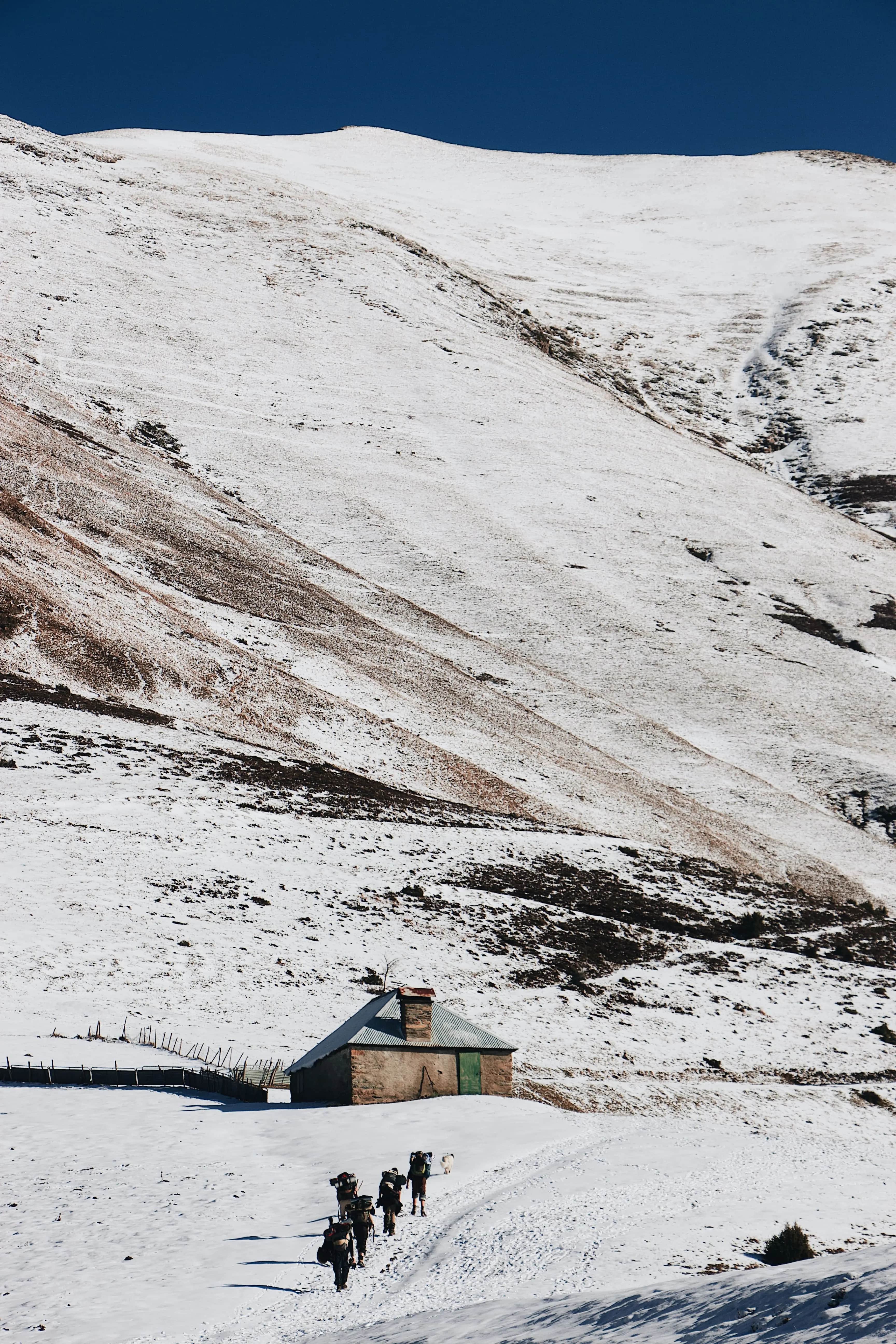
The Upper Mustang, also called the Forbidden Kingdom, is an isolated area in the north of Nepal that boasts of dramatic scenery of the desert, red cliffs, centuries old Tibetan Buddhism. The hike will traverse remote villages, old monasteries, and beautiful tracks over Kali Gandaki River. The special place and the historical connotation of Upper Mustang demand a lot of preparation, permission, and follow-up of the traditions of the locals. Trekkers are offered as a destination where they get rewarded by a journey that is rich in natural beauty, and cultural immersion, and adventure along a little-explored region of the Himalayas.
Permits and Regulations
Hiking in Mustang Upper is much controlled. The issue of Restricted Area Permit (RAP) which the foreign trekkers require is issued by the Nepal Tourism Board and typically through a registered trekking agency. It is also required to have a TIMS (Trekkers Information management system) card. Solo trekking is prohibited, the trekkers are needed to have a licensed local guide, and porters are optional but still suggested to move heavy luggage. The permit charges are more than the normal treks and it is in line with the restricted nature of the areas. Such rules provide not only the cultural heritage protection of Mustang, but also the safety of tourists in this isolated landscape.
Best Time to Visit
The most apt period in the trek is spring (March2May) and autumn (September2November). The weather is not too hot nor too cold, the skies are clear, and daytime temperatures are comfortable that are observed during these months. The winter may be extremely cold and snowy, and streams may be frozen in winter, so trekking is not an easy job, whereas the monsoon (June-August) is associated with the risk of landslides and wet trails. It is better to plan in advance on sunny days and a moderate temperature that will allow the maximum comfort during the trekking and the maximum number of photos to be taken.
Accommodation and Food
The Upper Mustang trail is mainly accommodated in small teahouses and guesthouses whose bathrooms are usually shared, and lacked warming. The hot water can be present only in some of the stops, and therefore the trekkers are to expect bare minimum facilities. Food choices are a combination of local and western dishes; such as dal bhat, noodles, momos, soups, and pasta. Long walking days are recommended to use snacks, energy bars, and dry foods. There is limited water supply and it is costly therefore walking around with purification tablets or portable filters is recommended to ensure one remains well hydrated.
Fitness and Health Issues.
Long trekking days of 68 hours of walking and walking over high-altitude terrain are part of Upper Mustang. The key attraction of the area is the capital of Lo Manthang, which is located at 4,200 meters and therefore requires time to adapt. There is a probability that trekkers are very likely to develop Acute Mountain Sickness (AMS), which is characterized by headache, nausea, dizziness, and fatigue. Slow climbing, hydration, rest days, and cardio, endurance, and leg strength training prior to taking the trek greatly diminishes the risk of health. Trekking poles and lightweight equipment are useful in keeping balance and lessening the strain.
Packing Essentials and Safety.
Other important things will be warm layered clothes, waterproof jackets, strong trekking shoes, trekking poles, trekking hats, trekking gloves, trekking hats, sun protection, headlamps, personal medicine, the first-aid kit, and cash in Nepali rupees. In remote villages there is a low availability of mobile signals and it is advisable to bring offline maps or a satellite phone to be on the safe side. High altitude trekking and emergency evacuation travel insurance are essential. The simplest understanding of how to cope with the altitude sickness and the emergency call numbers and first aid in this remote land may save lives.
Culture and Etiquette and Environment.
Mustang is more of Tibetan Buddhism, and it is essential to respect their customs and traditions. Wear decently, ask permission before taking pictures of people and act decently in monasteries. The vulnerable desert ecosystem demands environmentally safe habits, such as reduction of waste materials, disposal of plastics, and preservation of the local plants and animals. Interaction with the locals and cultural experience adds value to the trekking, as well as, benefiting the community.
Give us a review
Pricing
Number of people
Price per person