



Destination
Everest Tour and Trek
Duration
15 days and 14 nights
Difficulty
Challenging
Max. Elevation
N/A
Group Size
N/A
Accommodation
Standard Options
Vehicles
N/A
Food
No bed or meals included
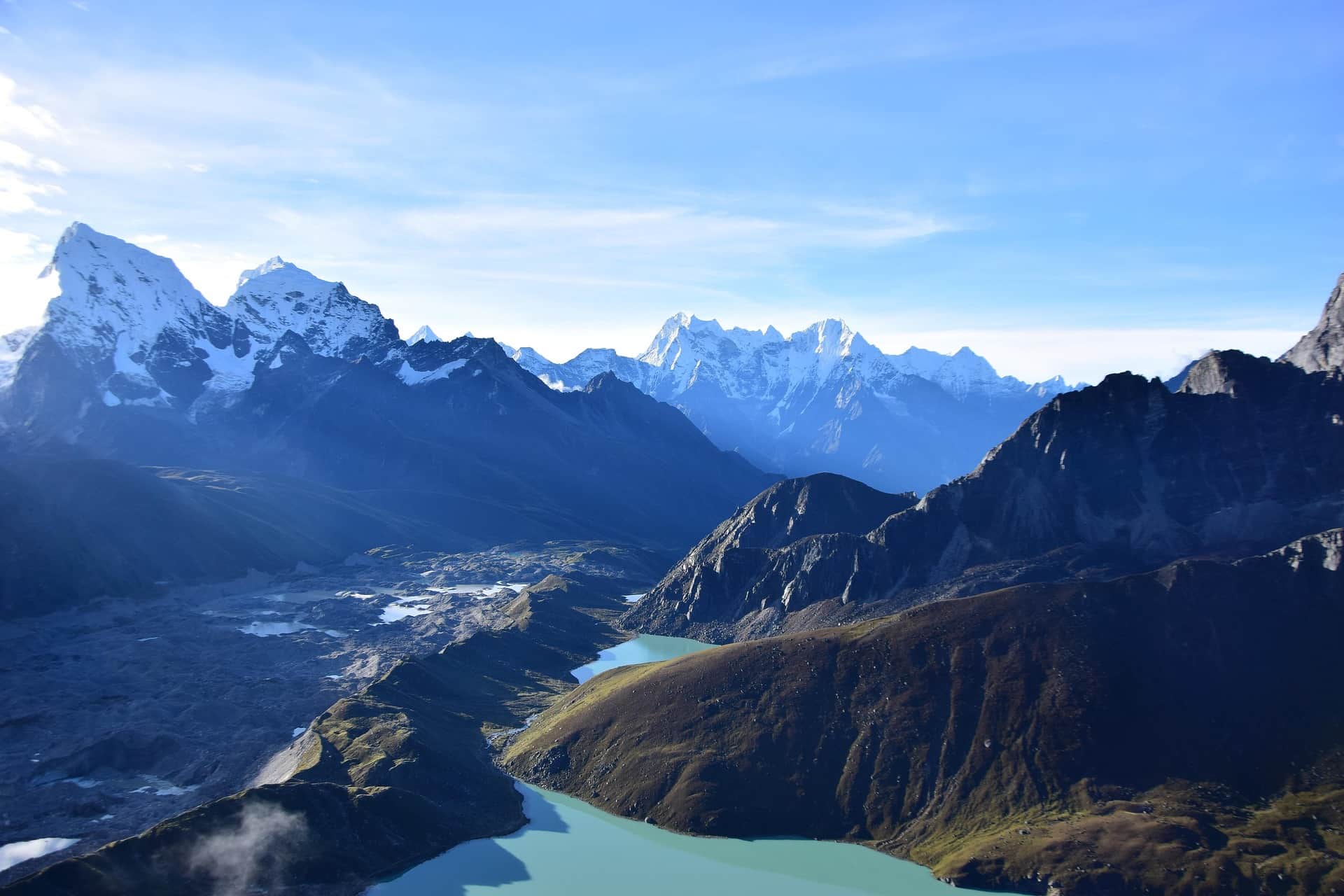
Gokyo Lakes and the Everest Base Camp Trek are a 12-day Himalayan Excursion through the beautiful Khumbu Valley. This route is a combination of high Himalayan mountains, crystal-clear glacial lakes, and calm alpine meadows, among which are Everest, Lhotse and Cho Oyu. High altitude challenges such as the Cho La Pass (5,420m) are also a part of the trek, and it is therefore an ideal adventure trek that will appeal to not only the beauty but also the adventure of the trekker.
On top of the breathtaking scenery, the hike will leave you in the Sherpa community of the Khumbu region. The stone-built villages like Namche Bazaar, Machhermo, and Gokyo are also the locations with Buddhist monasteries and prayer flags flying in the wind. This trek also has optional side trips to Gokyo Ri, Everest Base Camp and Kala Patthar, which offer spectacular panoramic views and allow trekkers to be close to the Himalayas.
The Gokyo Lakes and Everest Base Camp Trek is physically arduous and highly satisfying, a blend of adventure, culture and natural beauty. It suits perfectly hikers who are interested in a less traveled route with stunning landscape, rich culture and the feeling of achievement that is being at the top of the world.
- Scenery & Landscapes: Hike across pristine alpine meadows, glacial lakes and classic Himalayan peaks such as Everest, Lhotse and Cho Oyu.
- Culture & Traditions: Explore the Sherpa culture in Namche Bazaar, Machhermo and Gokyo with monasteries, prayer flags and traditional houses built of stone.
- Nature & Wildlife: Wildlife in the Himalayas, including blue sheep, Himalayan tahr, marmots and other alpine plants along the way.
- Adventure & Challenge: Pass through high, rugged trails and suspension bridges as they hike to Everest Base Camp and Gokyo Ri.
The expedition starts by flying from Kathmandu to Lukla, the entrance point of the Everest region. The path along the Dudh Koshi River includes beautiful Sherpa cafe villages, suspension bridges and pine forests before Namche Bazaar, the cultural center of the Khumbu. There, the trail climbs up through Machhermo to the glacial Gokyo Valley, with its beautiful turquoise lakes as a view and an ideal acclimatization point.
Going further, they can also hike up to Gokyo Ri and see the sunrise panorama and walk over the difficult Cho La Pass to the base camp of the Everest region. The path has an optional summit to Kala Patthar to close-up of Everest, then descends by Pheriche and Namche Bazaar to Lukla. Trekking offers the trekker the Sherpa culture, the high-altitude wilderness of the Himalayas and some of the most iconic Himalayan sceneries in the world.
- Day01Day 01: Arrival in Kathmandu (1,400m)
Get to Tribhuvan International Airport and move to the Thamel hotel. Once checked in, participate in an orientation that includes the trek route and safety measures, as well as gear essentials. During the afternoon, navigate the busy streets, shop, and cafes of Thamel. An evening spent at the dinner table, along with traditional Nepalese food, is spent getting ready to continue the journey.
- Day02Day 02: Kathmandu: Lukla: Phakding (2,610m)
Flight to Lukla, a small airport with its Himalayan runway, early morning. Start walking the Dudh Koshi River, through pine forest, mani walls and suspension bridges. Small Sherpa villages, and look at local life up the river. Phakding, overnight, acclimatizing rest.
- Day03Day 03: Phakding – Namche Bazaar (3,440m)
The path leads slowly upwards through rhododendron, villages with old structures and prayer walls. Cross several floating bridges across rushing streams. Hike steadily to Namche Bazaar, the bustling Sherpa trading-post of shops, lodges and cafes. Trekker are greeted by spectacular mountain views such as Everest and Ama Dablam.
- Day04Day 04: Rest Day at Namche Bazaar.
Rest day to acclimatize. You can add on to these options the Everest View Hotel or other viewpoints, along with sunrise views. Visit the local markets, monasteries, and cultural sites. The day also prevents cases of altitude sickness and acclimatizes trekkers to higher levels in future.
- Day05Day 05: Namche Bazaar to Dole to Machhermo (4,470m)
Move to Namche by small tracks over alpine wood. Grey small villages, such as Dole, with prayer flags and stone houses. Climb slowly to Machhermo overlooking the glacial valley and with a view of the Cho Oyu and the Ngozumpa Glacier. Afternoon at the mountain-view teahouse.
- Day06Day 06: Machhermo – Gokyo (4,790m)
Hike over the moraine and glacial rivers to Gokyo. See the gorgeous turquoise Gokyo Lakes and see an amazing view of Cho Oyu, Everest and other Himalayan mountains. The afternoon and evening out in the village and by the lakeside, watching the sun set on the mountains.
- Day07Day 07: Gokyo – Gokyo Ri – Thangna (4,700m)
Gokyo Ri early morning hike to provide a 360-degree of panoramic view of sunrise over Everest, Lhotse, Makalu, and Cho Oyu. Head down to Gokyo village and have breakfast, then embark on a walk through Thangna, a peaceful high altitude settlement of glaciers and massive mountains. Photo stops and brief walks through the nature, optional.
- Day08Day 08: Thangna Cho La Pass Dzongla (4,830m)
Pass the difficult Cho La Pass (5,420m), through ice and rocky paths. The ascent is not easy, but with great views of the Himalayas. Head into the Dzongla valley, through small villages and yak grazing fields. One night in a modest teahouse with breathtaking mountainous scenery.
- Day09Day 09: Dzongla – Lobuche (4,910m)
Follow the glacial moraine and rocky trails to Lobuche. Nuptse, Pumori, and the magnificent face of Everest as seen by witnesses. Visit Khumbu Glacier and mingle with other visitors. Overnight in Lobuche, a climber's base camp.
- Day10Day 10: Lobuche- Everest Base Camp- Gorak Shep (5,140m)
Hike to the historic Everest Base Camp, along the Khumbu glacier, with the tents of climbers. Take pictures in front of great mountains and glacial scenery. Dinner and stay over in the highest permanent in the area, Gorak Shep.
- Day11Day 11: Gorak Shep to Kala Patthar to Pheriche (4,371m)
Rise early morning to Kala Patthar (5,550m) and witness Everest, Lhotse and neighboring peaks at sunrise. Climb down Lobuche and Thukla, along yak grazing fields and rocky tracks. Take a break in Pheriche in one of the high-altitude tea houses and look back at the amazing mountain experience.
- Day12Day 12: Pheriche – Namche Bazaar
Start the trail of scenic drives down to Pangboche and Tengboche villages. Make a spiritual stop at Tengboche Monastery to take photos. Go down to Namche Bazaar and stay overnight, celebrating the achievement and relishing food in the area.
- Day13Day 13: Namche Bazaar – Lukla
Travel down pine forests and suspension bridges to Lukla. The last day of the trek will consist of simple walks, taking photographs and recollection of the journey. Lukla Overnight with a little feat of high-altitude adventure completion.
- Day14Day 14: Lukla – Kathmandu
In Kathmandu, fly over the Himalayas. Take to the hotel and rest. Alternatively, visit Kathmandu markets or have a cultural dinner with traditional Nepali performances.
- Day15Day 15: Kathmandu departure
Last day to shop, sightsee or rest before being transferred to the airport to board your flight back home and the end of the Gokyo Lakes and Everest Base Camp trek.
- All ground transportation by private vehicle as per the itinerary in Nepal.
- Domestic flights between Kathmandu and Lukla (round trip) for the Everest region trek.
- Accommodation in Kathmandu at a 3-star hotel, on a bed-and-breakfast basis.
- Accommodation in the Everest region, in available local teahouses and mountain lodges, provided on a room-only basis.
- All accommodations are arranged on a basic twin-sharing basis.
- TIMS card, Sagarmatha National Park entry permit, and all other required trekking permits in Nepal.
- Services of an experienced, English-speaking, government-licensed trekking guide in the Everest region.
- Full porter support throughout the Everest region trek
- All trekking staff expenses, including salary, insurance, accommodation, meals, and equipment.
- All applicable government and local taxes
- Personal expenses including internet usage, telephone calls, Wi-Fi charges, laundry services, hot showers, battery charging, and similar individual costs.
- All meals, snacks, drinks, and beverages not specifically mentioned under the “Trip Inclusions” section, including bottled water and alcoholic drinks.
- Tipping and gratuities for trekking guides, porters, drivers, and other supporting staff (customary but discretionary).
- Travel, medical, and evacuation insurance, including coverage for high-altitude trekking and helicopter rescue.
- Nepal entry visa fees, payable on arrival or through the relevant embassy.
- Additional charges for accommodation or service upgrades, such as private rooms or higher-category hotels.
- Donations or offerings made at temples, monasteries, schools, or local community projects.
- Emergency rescue, evacuation, and medical treatment costs of any kind.
- Any expenses or services not expressly stated under the “Trip Inclusions” section.
The Gokyo Lakes and Everest Base Camp Trek is one of the most amazing treks in Nepal. It will be a blend of the classic Everest Base Camp experience and the gorgeous Gokyo Lakes country, bringing trekkers panoramic views of the Himalayas, blue glacial lakes, and Sherpa culture. There are several important pieces of information that must be remembered beforehand before traveling out, such as permits and the difficulty of the trek, the best time to travel, physical preparation, and so on, to make an adventure a safe and pleasant one.
Permits
There are a number of obligatory permits that are required when trekking in the Everest region. The Sagarmatha National Park (SNP) Permit is a document permitting one to enter the park and is available at Kathmandu or at the entrance of the park at a cost of about USD 30-35.
Moreover, every individual trekker is required to possess a Trekkers Information Management System (TIMS) Card, which costs around USD 20-25 and works to keep a track of their safety.
Certain sections, especially around the Gokyo Lakes, might also demand little local entrance charges usually marked up by trekking agencies or local lodges. Previously obtaining these permits is a sure way of beginning the trek on a positive note.
Difficulty
The Gokyo Lakes and Everest Base Camp trek is classified as moderately difficult to difficult, mainly because of the high altitude, the number of long days of walking and the steep walks up the mountain. The climb to reach 5,550 meters at Kala Patthar is challenging, requiring stamina, endurance and adequate acclimatization. The trekker must also possess a moderate level of fitness, as the route would be rocky with suspension bridges and crossing glaciers in a few places. The key to safety and comfort is proper pacing, hydration, and rest days.
Travel Insurance
It is advisable to have travel insurance. Make sure your policy covers:
- Hospitalization and medical emergency
- High altitude helicopter evacuation
- Flight cancellation and/or delays
- Delayed or lost luggage
Insurance can range between USD 90 and 140, depending on how long you need it. A 2-week trek is common, and that requires a cover.
Best Time to Trek
Autumn and spring are the best seasons to go trekking. The weather is stable and clear with a spectacular view of the mountains, making autumn the best season to capture photography. Rhododendrons are in bloom, the temperatures are pleasant, and the Himalayan peaks are still visible in early Spring. Both seasons do not have to endure winter snow and monsoon rains, which means that there are safer trails and the trekking is much more enjoyable.
Physical Fitness
The Gokyo Lake and Everest Base Camp trek is fairly difficult, a trek that a beginner in decent shape can handle. Note:
- The daily progression through the field takes 5 to 6 hours, along rough tracks including some steep ascents
- Fitness level: Ability to jog 5 km in 30 to 35 minutes or cycle 15 km in 45 minutes to feel at ease on the trail
- Training: It is recommended that you do cardio and leg/core strength training 2-3 weeks in advance to make the trek more enjoyable and easier
Accommodation
The fact that there are plenty of tea houses on the way to the Everest Base Camp makes this trek easy since you do not have to carry the tents and cooking material with you. Lower altitude and more utilized trails feature pleasant tea houses that have electricity, Wi-Fi, hot showers, and packing bathrooms, whereas higher up the slope, the simpler lodges have main rooms with fundamental squat toilets. Some minor charges for Wi-Fi or hot water usually exist. To help you stay warm at night when it is cold, you will have a clean sleeping bag which has a warmth rating of -20 degrees Celsius.
Meals During the trek
You will find food on the trail delicious and plentiful. Traditional Nepali food such as Dal Bhat with unlimited refills, fried rice, noodles, Mo Mo dumplings, and Thukpa noodle soup can be enjoyed, as well as western meals like pasta, pizza, burgers and potatoes. Breakfast choices include Tibetan bread and chapatti with curry to eggs, porridge, muesli and pancakes. The trek would be vegetarian, vegan and special dietary needs can be communicated with your guide.
Included in your package are dinner in Kathmandu before starting the trek and three meals per day on the trail, including tea or coffee, with additional snacks, desserts, or other special drinks available to purchase.
Transportation
All your transport will be included in your trekking package. Pokhara can be reached by bus, microvan, tourist bus, private vehicle or flight (USD 105 per person) from Kathmandu. Base points of the trek are Nayapul, Birethanti, Hile, Tikhedhunga and Banethanti. Local buses are more immersive, though they can be very slow and crowded, whereas renting your own vehicle will be more comfortable and flexible.
Charging, Connectivity and Internet
The majority of tea houses also offer electricity or solar power to charge devices, but it is better to bring a power bank. Cell phone coverage is largely serviced by NCELL or Nepal Telecom, with cell phone SIM cards fairly readily available in Kathmandu. Most tea houses have Wi-Fi available (2-3 dollars/night), but the connection may be unreliable depending on the weather and location.
Porters
It is not necessary, but highly recommended to hire a porter as you travel with a light day pack. A porter can only carry 20 kg of weight shared between the two of you, and this gives you time to concentrate on the trek rather than burdening yourself with a heavy load. Your guide can also facilitate the hiring of a porter in the event that he/she is required.
Nepali Currency Payments
Nepal is on the rupee, but currencies such as USD, AUD, GBP, CAD, SGD, and Euros could be easily converted in Kathmandu or Pokhara. The larger hotels, shops and restaurants accept credit and debit cards at a 3.5% surcharge. There are numerous ATMs, mainly in Thamel, with a limit of withdrawal on a daily basis between Rs 10,000 and Rs 35,000 and standard fees.
Trekking Gear
Clothing
- Rain coat, poncho or combination jacket/trousers
- Down jacket / Gore-Tex jacket
- Down jacket (unless you have a down vest)
- Rainproof, or windproof trousers
- Hiking pants (2 pairs recommended)
- Shorts (2 pcs)
- T-shirts (4-5 as per days of trek)
- MIT/fleece jacket
- Base layers (thermal down-jacket)/thermal coats (1-2 sets)
- Gloves: light fleece and waterproof/windproof (2 pairs)
- Underwear
Footwear
- Water-resistant, ankle support trekking boots
- Bare feet or moisturizing sandals and sneakers (for off-time around camp)
Accessories & Equipment
- Sunglasses
- Lip balm and sunscreen
- Sun hat, woolen/beanie/fleece hat
- Neck gaiter
- First aid kit
- Swiss army knife (optional)
- Luggage cover
- Headlamp
- Trekking poles
- Gaiter (optional)
- Micro crampons (not mandatory)
- Chlorine detox tablets or Steripen
- Spare batteries and travel adapter
- Power bank
- Bottles of water/camel bag/thermos
- Multipurpose soap/shampoo
- Tiny towel, antiseptic wash
- Hygiene products and wet wipes
- Mosquito spray (optional)
- Whistle & earplugs
- Reading books, cards/chess
Sleeping Gear
- Sleeping bag (-15 to -20 degrees rating)
- Sleeping bag liner (cotton, silk, or fleece)
Bags & Packs
- Join backpack (60 liters)
- Daypack (25-30 liters)
Give us a review
Pricing
Number of people
Price per person