



Destination
Nepal Tour
Duration
11 days and 10 nights
Difficulty
Challenging
Max. Elevation
8163 m
Group Size
Max. 10 pax
Accommodation
Standard Options
Vehicles
Private Luxury Tourist Vehicles
Food
Only includes meals, No bed: Breakfast, Dinner
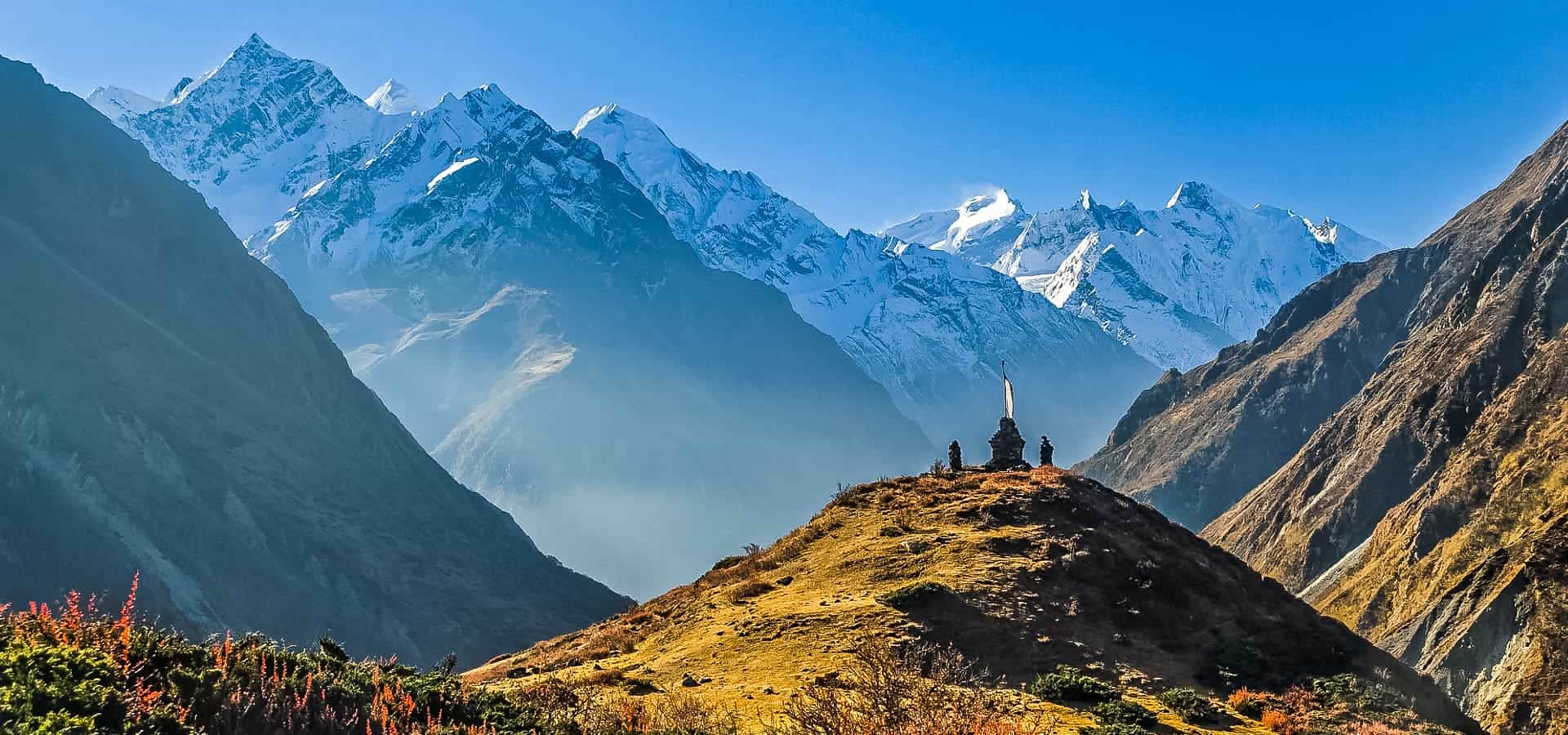
The Short Manaslu Trek is an 11-day adventure in the remote Gorkha in the Himalayas, Nepal, which provides the trekker with a compressed but comprehensive Himalayan adventure. This hike offers breathtaking scenery of Mount Manaslu (8,163 m), the eighth-highest mountain in the world, Himlung Himal, Annapurna II, Ganesh Himal, and so on.
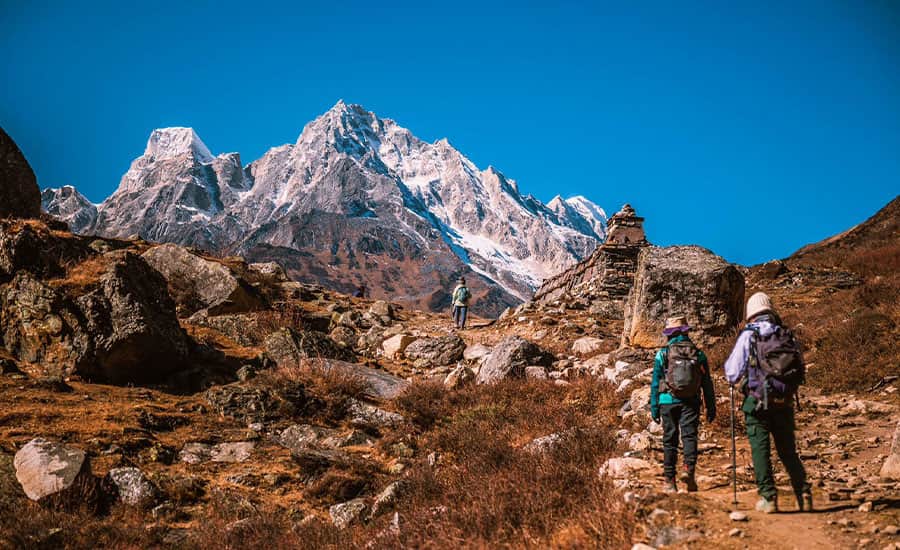
This trek takes trekkers through a mixture of riverside paths, suspension bridges, alpine valleys, and the traditional villages of Manaslu and does not require them to commit to the more time-consuming 3-week route. Trekking along the trail, one will get to see some of the real Gurung, Magar, and Nubri villages, Buddhist monasteries, prayer flags and mani walls. The path traverses the dramatic Budhi Gandaki River valley and passes across the alpine meadows, terraced hillsides, and high-altitude passes.
There are comfortable teahouses and lodges where the hospitality of the people and the culture of the land can be experienced. Escapades to villages and monasteries augment the walk with culture and spirituality.
The Short Manaslu Trek is the best trekking experience to enjoy adventure, exposure to high altitude, and cultural experience within a tight timetable. The expedition can be enjoyed by moderately fit beginners and experienced hikers, and it provides dramatic scenery and Tibetan-influenced culture and wildlife experience within the Manaslu Conservation Area. The trek is a one-of-a-kind Himalayan journey that offers a combination of mountains, nature and culture all in 11 days.
Scenery & Landscapes
- Spectacular scenery of Mount Manaslu, Himlung Himal, Annapurna II, Ganesh Himal and Larkya La Pass (5,160 m)
Culture/Traditions
- Pay a visit to the villages of Gurung, Magar, and Nubri, monasteries, prayer flags, mani walls, and meet locals
Nature and Wildlife
- Alpine meadows, rhododendron and pine forest, Himalayan birds, yaks, Himalayan tahr, musk deer and sporadic sight of snow leopard
Adventure Emerge
- Medium trekking with some long walking days, suspension bridges, steep ascents, high passes, and high-altitude trails
Short Manaslu trek begins with a road trip between Kathmandu and Soti Khola, crossing the valley, in the forests of the green lowlands and along the riverside villages. The route slowly rises through terraced agricultural lands, thick rhododendron and pine forests, and traditional villages, with preliminary views of Himalayan peaks.
Trekking past suspension bridges and minor waterfalls, adventure travelers get an undisturbed and complete introduction to the area. The trek ascends alpine areas as the mountain views become scenic with tall mountains such as Mount Manaslu, Himlung Himal and Annapurna II.
The path also goes through the Budhi Gandaki River valley, exploring isolated villages and monasteries, offering cultural knowledge and an introduction to those traditions affected by Tibetan influence. Hiking through alpine meadows and glacial moraines, the scene changes with each stride, presenting a variety of scenery and wildlife experiences.
The Larkya La Pass, 5,160 m, is the peak of the trek, and at this point, trekkers will enjoy the spectacular 360-degree views of glaciers, mountains and alpine rocky mountains. The road, starting at the pass, goes down into the high altitude meadows and the forested valleys into the Annapurna region and finally back to Kathmandu. The route provides a small yet comprehensive Himalayan experience featuring adventure, culture, and unspoiled nature.
- Day01Day 1: Kathmandu to Soti Khola
The expedition starts with a picturesque drive between Kathmandu and Soti Khola, a small settlement on the bank of the river, which is the starting point of the path. It will go through hilly terrain, terrace fields and scenic villages providing a glimpse of life in rural Nepal.
When the trekkers reach Soti Khola, they are able to explore the village locality, cross some small suspension bridges in the Budhi Gandaki River and prepare for the trekking days to follow. Lodging is in a local teahouse with simple facilities and an opportunity to relax in the quiet Himalayan foothills.
- Day02Day 2: Machha Khola to Soti Khola
This journey starts by the Budhi Gandaki River and goes through thick bamboo, pine and rhododendron forest, and the snow-tipped mountains in the distance gradually appear closer. The route consists of both mild uphill climbs and crossings over rivers on suspensions bridges, and provides a real experience of walking through Nepal in remote valleys. The villages can provide cultural interaction and insight into local farming life in small villages along the way. The first stopover in the mountains is in the small village of Machha Khol amidst of picturesque hills.
- Day03Day 3: Machha Khola to Jagat
It proceeds along the banks of rivers, terraced fields, and isolated villages. Along with panoramic views of the hills and mountains that surround it. Several suspension bridges are traversed by trekkers. All of which provide exhilarating views of rivers flowing at the bottom. Located in a traditional village having stone houses and local monasteries, Jagat is another cultural destination where trekkers can find out about the life in a village and meet friendly local villagers. At a pleasant teahouse, he is preparing to begin the gradual ascent which lies ahead overnight.
- Day04Day 4: Jagat to Deng
At Jagat, the walk starts gradual ascent through rhododendron and along small waterfalls. The trail is lined with villages displaying classic Nepali and Tibetan-influenced architecture, and mani walls with carved Buddhist mantras provide spiritual depth to the exploration. Deng is a quiet camp enclosed by woody hills, and a perfect place to rest and acclimatize. Local teahouse stays overnight with hot meals and roomy rooms.
- Day05Day 5: Deng to Namrung
The path is gradually increasing in altitude through terraced fields, bamboo forests and high ridges, providing beautiful scenery of the Manaslu range. Namrung is more of a bigger village where Gurung and Nubri society flourishes, and stone houses, prayer flags, and traditional teahouses are seeing more trekkers. It is also a good stop to know the local practices and to visit nearby trails that will offer breathtaking scenes of snow-covered mountains. The night is in Namrung, to prepare to go higher.
- Day06Day 6: Namrung to Samagaun
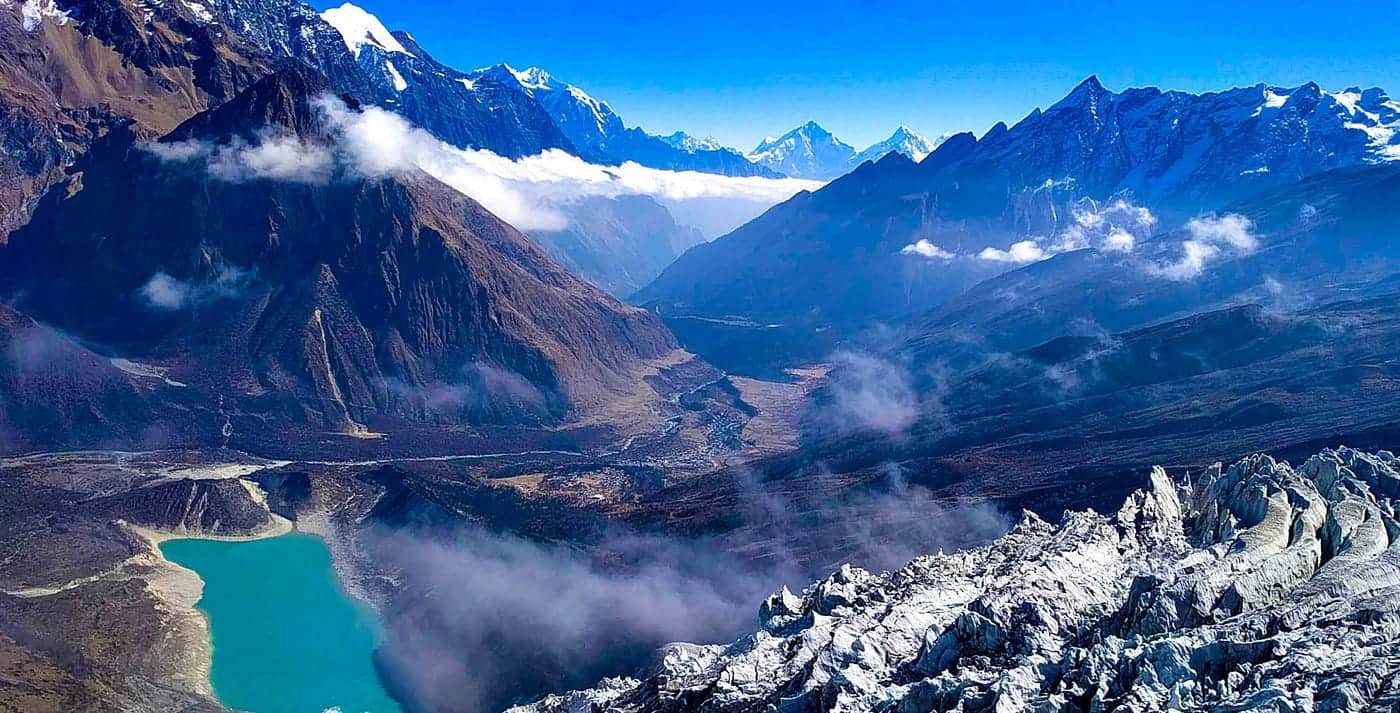
When walking the trail between Namrung and Samagaun, the entrance to the alpine zone is reached, where there are breathtaking views of glaciers, Moraines and mountainous peaks like Mount Manaslu and Himlung Himal. The path runs through high altitude meadows and small Tibet-influenced villages where monasteries and mani walls add to the cultural experience. Samagaun is a picturesque village located in the middle of Manaslu Conservation Area with spectacular mountain bottom and the opportunity of acclimatization. Stay in a local teahouse.
- Day07Day 7: Day in Samagaun
The rest day is set at Samagaun to allow the trekkers time to adapt to the thin air. Minor scrambles to adjacent lookouts or the local monastery to observe the daily ceremony and chants are optional. The day is also used to mingle with the villagers, understand the traditional way of life and prepare both psychologically and physically to face the tough Larkya La Pass ahead. Overnight stay in Samagaun.
- Day08Day 8: Samagaun to Samdo
The journey proceeds through high alpine country with startling views of glaciers, mountains and deep ravines. The trekkers trek through small settlements and mani walls and are exposed to the isolated beauty of the Manaslu region. The final village before the high pass is Samdo, a small village with simple teahouses where trekkers can get some sleep and enjoy an early night before the difficult day ahead. Pacific views of neighbouring mountains and glaciers are available in the village.
- Day09Day 9: Samdo - Dharamsala (Larkya La Pass) - Bimtang
This day is the most difficult and gratifying of the trek. The trekkers reach the famous Larkya La Pass measuring 5,160 meters, crossing the rocky tracks, glacial moraines and high altitude of the area. On the pass lies a 360-degree view of the Himalayan giants such as Mount Manaslu, Himlung Himal, Annapurna II and the glaciers around the pass. The trail then passes through the alpine village of Bimtang after having a spectacular view. The trekkers retire after a satisfying day, albeit strenuous. Bimtang teahouse.
- Day10Day 10: Bimtang to Dharapani
The journey is a gradual reentry to lower altitudes and takes place through forested, traditional villages and river-lined valleys. In this section, you can see the variety of the landscapes of the region: terraced fields, waterfalls, and pine forests. Dharapani can be used as a night base, with well-maintained teahouses and is an opportunity to rest before the last night of the trek.
- Day11Day 11: Dharapani to Kathmandu
The expedition ends with a ride back to Kathmandu, along the scenic highways along the terraced hill, river valleys, as well as the scenic villages. Trekkers will have an opportunity to reflect on the trip, the great Himalayan mountains, the cultural experience, and the immersion into the world of Nepal, its secret Manaslu area. Kathmandu is the culmination of an 11-day adventure.
- All required trekking permits
- Transportation to and from trailhead
- Licensed English-speaking guide
- Shared porter service (up to 20 kg)
- Three meals per day during the trek
- Accommodation in teahouses
- Sleeping bag and liner (provided or rented)
- First aid kit carried by the guide
- Government taxes and trekking agency service charge
- Orientation session before trek
- Cultural visits to villages and monasteries
- Helicopter evacuation coordination (insurance required)
- International airfare
- Nepal visa fees
- Travel insurance (with emergency evacuation)
- Personal trekking gear and equipment
- Snacks, desserts, soft drinks, and alcohol
- Wi-Fi, hot showers, and device charging in teahouses
- Tips for guide and porter
- Additional accommodation before/after trek in Kathmandu
- Expenses from delays, weather issues, or itinerary changes
- Medical expenses and personal items
The ideal seasons for trekking are spring (March to May) and autumn (September to November). During spring, the skies are generally clear, and the trails come alive with blooming rhododendrons, making for a colorful and scenic journey. Autumn is considered the best overall time to trek, offering stable weather, excellent visibility, and a chance to experience the local harvest season and cultural festivals. It's advisable to avoid winter, due to extreme cold and snow at higher altitudes, as well as the monsoon season, when heavy rain can lead to slippery trails and landslides.
The ideal seasons for trekking are spring (March to May) and autumn (September to November). During spring, the skies are generally clear, and the trails come alive with blooming rhododendrons, making for a colorful and scenic journey. Autumn is considered the best overall time to trek, offering stable weather, excellent visibility, and a chance to experience the local harvest season and cultural festivals. It's advisable to avoid winter, due to extreme cold and snow at higher altitudes, as well as the monsoon season, when heavy rain can lead to slippery trails and landslides.
Manaslu Circuit Trek Permits
A restricted area permit is needed to go trekking in the Manaslu region, and the region is controlled to preserve its natural and cultural heritage of the region. In Kathmandu, this permit can be acquired from the registered trekking agencies.
- Cost: USD 70 for the initial 8 days, plus USD 10 per extra day
- Manaslu Restricted Area Trekker permit and TIMS (for independent trekkers) are required
- Bring all permits along; checkpoints will inspect them
Manaslu Circuit Trek Difficulty
- Rugged trails, high elevation, and long walking days
- Maximum elevation: 5,160 m (Larkya La Pass)
- Demands physical fitness, acclimatization, and mental preparation
- Cold and snowy conditions in high altitude areas
Travel Insurance
Ensure coverage for:
- Medical emergencies and hospitalization
- Helicopter evacuation at high altitudes
- Flight cancellations and delays
- Lost or delayed baggage
- Cost: USD 90–140 for 2-week trek coverage
Physical Fitness
- Suitable for fit beginners
- Daily walks: 5–6 hours, with steep sections
- Prep: Be able to jog 5 km in 30–35 mins or cycle 15 km in 45 mins
- Do cardio + strength training 2–3 weeks before trek
Accommodation
- Teahouses available throughout the trail
- Lower altitude: better facilities (Wi-Fi, hot showers, charging)
- Higher altitude: simpler lodges, squat toilets
- Sleeping bag (-20°C rated) recommended
Meals During the Trek
- Nepali meals: Dal Bhat (unlimited), Mo:Mo, Thukpa
- Western meals: pasta, pancakes, eggs, toast
- Special dietary needs can be arranged
- 3 meals/day + tea/coffee included in trek package
- Snacks, desserts, and extra drinks available for purchase
Transportation
- Transport included in trek package
- Options: local bus, jeep, or Kathmandu–Pokhara flight (~USD 105)
- Trekking base points: Nayapul, Birethanti, Hile, Tikhedhunga, Banethanti
Charging, Connectivity and Internet
- Electricity or solar power available in most tea houses (small fee)
- Bring a power bank
- Wi-Fi available in most locations (USD 2–3/night)
- Mobile networks: NCELL and Nepal Telecom
- SIM cards available in Kathmandu
Porters
- Not mandatory but recommended
- Can carry up to 20 kg (shared between 2 trekkers)
- Lets you enjoy trek with a light day pack
- Hire through your guide or agency
Nepali Currency Payments
- Local currency: Nepalese Rupee (NPR)
- Foreign currencies (USD, GBP, AUD, CAD, EUR, SGD) easily exchanged in Kathmandu/Pokhara
- Credit cards accepted in cities (3.5% surcharge)
- ATMs mostly in Thamel: Rs 10,000–35,000 per day
Trekking Gear
Clothing
- Rain gear (poncho/jacket)
- Down/Gore-Tex jacket
- Waterproof pants
- Hiking pants and shorts
- Base layers and fleece
- Thermal underwear and gloves
Footwear
- Waterproof trekking boots with ankle support
- Sandals or camp shoes
Accessories & Equipment
- Sunglasses, lip balm, sunscreen
- Hats (sun/wool), neck gaiter
- First aid kit, Swiss knife (optional)
- Headlamp, trekking poles
- Water purification (Steripen/tablets)
- Power bank, charger, spare batteries
Toiletries
- Biodegradable soap/shampoo
- Small towel, antiseptic wash, wet wipes
- Mosquito spray (optional)
Other Items
- Sleeping bag (-15°C to -20°C)
- Sleeping bag liner (cotton/silk/fleece)
- Backpack (60L), Daypack (25–30L)
- Books, cards, earplugs, whistle
Give us a review
Pricing
Number of people
Price per person