




Destination
Nepal Tour
Duration
7 days and 6 nights
Difficulty
Moderate
Max. Elevation
3691 m
Group Size
Max. 10 pax
Accommodation
Standard Options
Vehicles
N/A
Food
Bed included, includes: No meals included
Ruby Valley Trek is an off-road trek and adventure located in the Ganesh Himal of Nepal, offering expeditions a comprehensive experience in remote villages, pristine forests, and mountainous townships. The paths provide the chance to explore more conservative Tamang and Gurung and stay with locals in homestays, and explore the Himalayas without the commercialization that can often come along the more well-travelled paths. The expedition is also a suitable one for individuals who want a moderate blend of cultural authenticity and adventure.
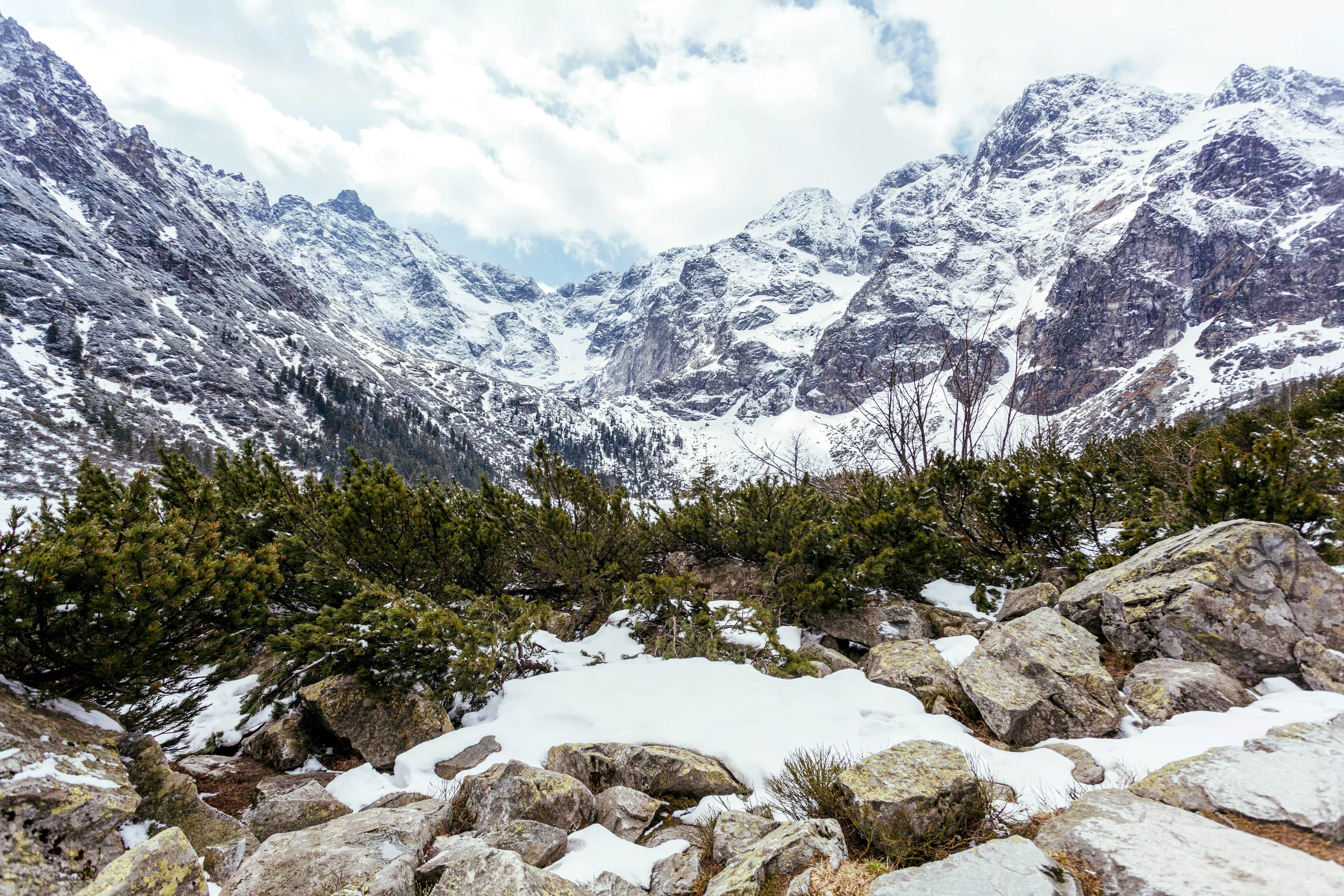
This route passes through various picturesque sites, including terraced agricultural lands, rhododendron woodlands, alpine meadows, and mountainous terrain. The gushing rivers, waterfalls, and diverse wildlife, including musk deer and leopards, are other features that trekkers will encounter. The Pangsang La Pass offers one of the most beautiful panoramic sceneries of the Ganesh Himal and the Langtang Himal, with a glimpse of Manaslu in the backdrop; it can be considered a part of the trek. The pathway also contains natural hot springs, which is also a bonus for relaxing after a tiresome day of walking.
The Ruby Valley Trek is not only a beautiful sightseeing adventure, but also a tour of the Nepalese culture. It is a route dotted with ancient traditions, local celebrations, and monasteries, which give trekkers an intimate perspective on the day-to-day existence of the mountain people. It is an adventure and a kind of comfort tour, all at the same time, in terms of cultural enrichment, with carefully planned homestays and local guides who are familiar with the region as the back of their hand. The medium challenge makes it easy for both novices and experienced trekkers who desire a less intense trekking atmosphere that is more natural and remote.
- Scenic View: The panoramic view of Ganesh Himal, Langtang Himal and glimpses of Manaslu Himal.
- Cultural Experience: Traditional Tamang and Gurung villages are home to monasteries and centuries-old traditions.
- Adventure: Crossing Pangsang La Pass (3,842 m), alpine meadows and forests.
- Nature and Wildlife: Rhododendron and pine forests, oak and bamboo trees; rivers, falls, musk deer and leopard.
The Ruby Valley Trek opens with a sightseeing drive in Kathmandu to the gateway of Langtang National Park (Syabrubesi). Through this, trekkers proceed to Gatlang and Somdang, where they experience the traditional villages and terraced fields. The path slowly rises amidst thick woods and Alpine plains, offering consistent glimpses of snow-covered mountains and rivers flowing across deep gorges. Cultural stops on the way are offered in local monasteries and small villages.
Once Chalish Gaon and Tipling are traversed, the route ascends toward Borang and follows the Pangsang La Pass, one of the highest points on the trek. In addition to the pass, hikers also drop down into the valleys to visit local villages, hot springs, and homesteads. The path ultimately takes one back to the original position, offering a mixture of natural beauty, cultural experiences, and moderate-paced hikes.
- Day01Day 1: Kathmandu to Syabrubesi
The expedition begins by driving early in the morning from Kathmandu to Syabrubesi, passing through terraced hills, rivers, and small settlements. The motivation offers a glimpse of the Nepalese countryside and its mountainous landscapes. Upon arrival, check into a local lodge, rest, and take a leisurely walk through the village to get accustomed to the surroundings and enjoy the rural, serene environment. Make trekking gear ready the following day.
- Day02Day 2: Gatlang to Syabrubesi (Approx. 5 -6 hours)
The trek begins in dense pine, oak, and rhododendron forests, as well as terraced fields and small streams. You pass through small villages and towns inhabited by the local Tamang and Gurung people, who offer an opportunity to observe their traditional ways of life and attend some of the monasteries' rituals. The path slowly ascends, offering a panoramic view of Ganesh Himal and other surrounding mountains. One day will be spent in a homestay in Gatlang, where you will be welcomed with warm hospitality and traditional cuisine.
- Day03Day 3: Gatlang to Somdang (Approx. 5 hours)
The path is uphill, winding its way through mixed forests and along rivers. There are scenic stops made by waterfalls and small streams. The villages along the road offer an opportunity to establish cultural connections and gain insight into local handicrafts and daily life. Somdang is a small, peaceful village where trekkers stay overnight in a homestay and enjoy the tranquil village lifestyle against the backdrop of the alpine mountains.
- Day04Day 4: Tipling to Somdang (Approx. 6 hours)
In this part, one passes through alpine meadows, cultivated farmlands, and stone-built villages. Depending on the season, trekkers will encounter customs and local festivals, and gain a glimpse into the traditional lives of the Gurung and Tamang villages. The route offers a panoramic view of the Langtang Himal and Ganesh Himal. It may be a stay overnight at Tiplin,g where homestays are made to stay and socialize with villagers over local food.
- Day05Day 5: Tipling to Chalish Gaon through Pangsang La Pass (Approx. 7 to 8 hours)
The highlight of the trek is crossing the Pangsang La Pass at 3,842 meters. The climb is steep in some areas but offers breathtaking views of Ganesh Himal, Langtang, and distant views of Manaslu. On passing, go down to Chalish Gaon, a small hamlet surrounded by alpine meadows and rivers. An overnight stay is one of the best ways to rest and rejuvenate in a local homestay, where you can savour traditional meals and experience village life.
- Day06Day 6: Borang to Chalish Gaon (Approx. 5 hours)
Pass down the woody valleys interspersed with streams, falls, and castles. The route is moderate in nature, featuring scenic stops and photo opportunities. It has famous natural hot springs at Borang, which are relaxing after the hike. Homestays in Borang provide a perfect opportunity to spend an overnight stay and enjoy comfort, warm food, and peace.
- Day07Day 7: Borang to Syabrubesi and make a drive to Kathmandu (About 4-5 hours walk and 6-7 hours drive)
Complete the final portion of the journey by walking through forests and hamlets, retracing your steps back to Syabrubesi. Such activities as spending time with the local population and getting acquainted with nature can be experienced. This concludes with a picturesque journey from Syabrubesi to Kathmandu. Reach in the evening, which completes the Ruby Valley Trek with the memories of mountains, culture and adventure.
- Private airport transfers and luxury ground transportation in Kathmandu
- 4–5 star hotel accommodation in Kathmandu
- Comfortable lodge/teahouse accommodation during the trek
- Experienced licensed trekking guide and porter service
- All meals during the trek and daily breakfast in Kathmandu
- Trekking permits, national park fees, and government taxes
- First-aid support and full trip assistance throughout the journey
- International airfare and Nepal visa fees
- Personal expenses and extra beverages
- Travel insurance (recommended, including emergency evacuation)
- Tips for the guide and porter
- Optional activities not mentioned in the itinerary
The best seasons for the Ruby Valley Trek are spring (March to May) and autumn (September to November). The spring features blooming rhododendrons, lush green meadows, and pleasant weather, whereas in the autumn, the weather is clear, offering the best visibility of the Ganesh Himal and Langtang ranges. The winter weather can be extremely cold, with snow trails, and the monsoon season (June to August) is marked by heavy rain and slippery roads, as well as leeches in the lower forests.
The best seasons for the Ruby Valley Trek are spring (March to May) and autumn (September to November). The spring features blooming rhododendrons, lush green meadows, and pleasant weather, whereas in the autumn, the weather is clear, offering the best visibility of the Ganesh Himal and Langtang ranges. The winter weather can be extremely cold, with snow trails, and the monsoon season (June to August) is marked by heavy rain and slippery roads, as well as leeches in the lower forests.
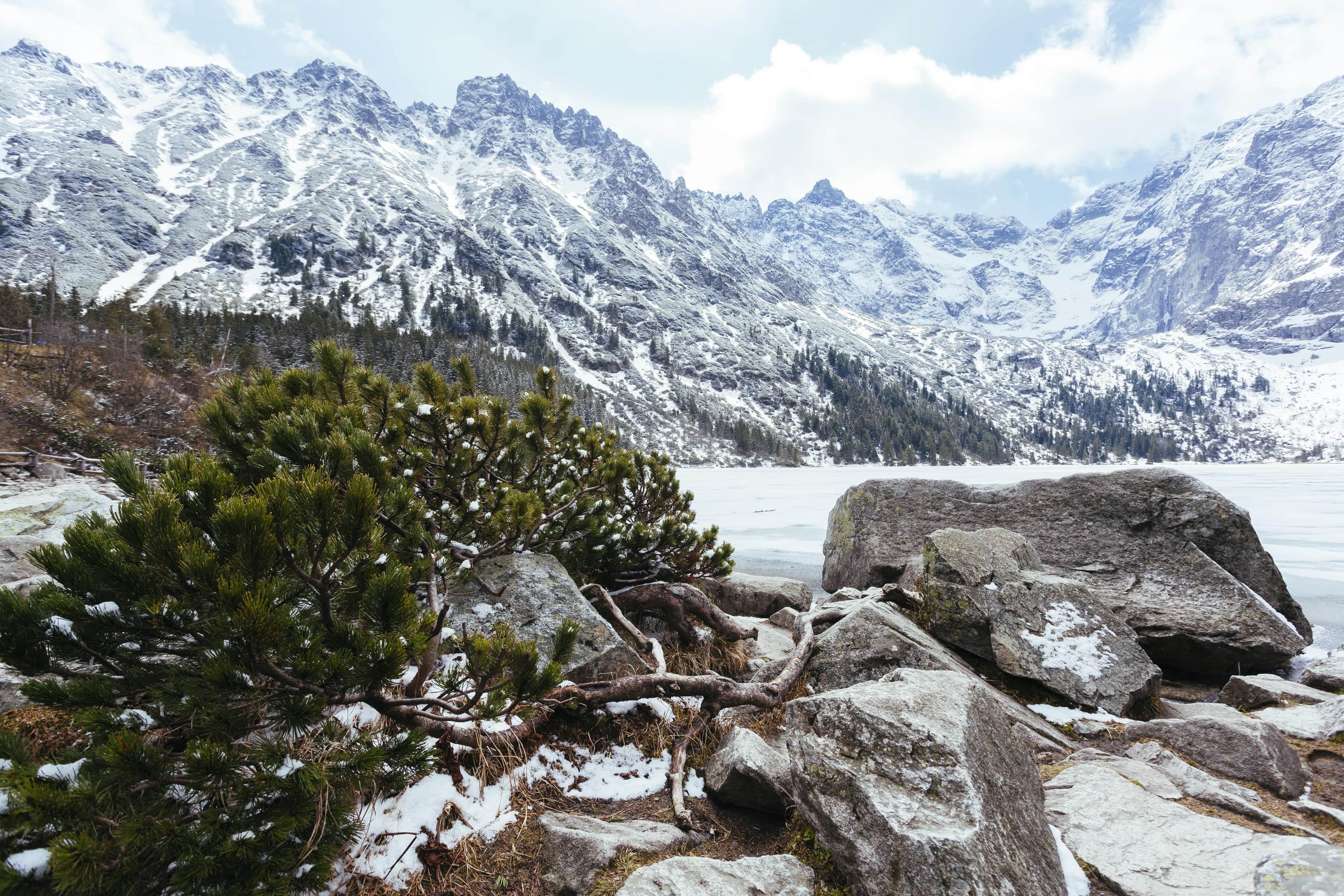
The Ruby Valley Trek is an isolated and culturally diverse adventure that combines clean alpine scenery, traditional villages, and stunning mountain vistas. It is always essential to ensure that trekkers are adequately prepared by having the necessary information, such as the required permits, accommodations, local culture, and safety considerations, beforehand. This section provides relevant information to enhance the enjoyment of the trekking experience.
Best Time to Trek
The best seasons for the Ruby Valley Trek are spring (March to May) and autumn (September to November). The spring features blooming rhododendrons, lush green meadows, and pleasant weather, whereas in the autumn, the weather is clear, offering the best visibility of the Ganesh Himal and Langtang ranges. The winter weather can be extremely cold, with snow trails, and the monsoon season (June to August) is marked by heavy rain and slippery roads, as well as leeches in the lower forests.
Permits and Regulations
The Langtang National Park Permit and the Trekkers' Information Management System (TIMS) card are also required for trekkers who enter some of the restricted zones on the trail. One can obtain a permit in Kathmandu or through a registered trekking agency. There might also be a need to collect local fees and donations to conserve the villages as well as maintain the homestays. When trekking, always carry a copy of your permit, as park authorities may randomly check you as you ascend to the top.
Accommodation and Food
The Ruby Valley Trek is accommodated mainly in local lodges and homes. Amenities are simple yet pleasant, and warm meals are typically prepared using locally sourced ingredients. The foods eaten at breakfast include porridge, eggs, or bread. At lunch and dinner, the meals typically consist of rice, dal, vegetables, and occasionally, rare meat. Pack snacks such as energy bars or dry fruits when going out on long trekking days, because there are not many stores in the remote villages.
Health and Safety Tips
The issue of altitude sickness may also be a problem, particularly when traversing Pangsang La Pass (3,842m). Warm up, stay hydrated, and avoid rushing. Always keep a small first aid kit, along with medications for headaches, digestive issues, and minor injuries. Lack of mobile connectivity; it is advisable to give your agency or family a schedule of your trek. It is highly advisable to employ a local guide/porter to navigate, provide safety and cultural guidance.
Packing Essentials and Safety.
Other important things will be warm layered clothes, waterproof jackets, strong trekking shoes, trekking poles, trekking hats, trekking gloves, trekking hats, sun protection, headlamps, personal medicine, the first-aid kit, and cash in Nepali rupees. In remote villages there is a low availability of mobile signals and it is advisable to bring offline maps or a satellite phone to be on the safe side. High altitude trekking and emergency evacuation travel insurance are essential. The simplest understanding of how to cope with the altitude sickness and the emergency call numbers and first aid in this remote land may save lives.
Culture and Etiquette and Environment.
It is essential to respect their customs and traditions. Wear decently, ask permission before taking pictures of people and act decently in monasteries. The vulnerable desert ecosystem demands environmentally safe habits, such as reduction of waste materials, disposal of plastics, and preservation of the local plants and animals. Interaction with the locals and cultural experience adds value to the trekking, as well as, benefiting the community.
Give us a review
Pricing
Number of people
Price per person