




Destination
Nepal Tour
Duration
7 days and 6 nights
Difficulty
Moderate
Max. Elevation
N/A
Group Size
N/A
Accommodation
Standard Options
Vehicles
N/A
Food
No bed or meals included
Travel a fascinating 7-day trip to Nepal, where you will see the rich and beautiful culture, the calm Nepalese scenery and the exciting wildlife. This tour will take Kathmandu, Pokhara, Chitwan and Nagarkot, and this is an ideal combination of history, nature and adventure. Both in busy urban streets and calm lakesides and forested jungles, this journey will expose the travelers to the variety of Nepal.
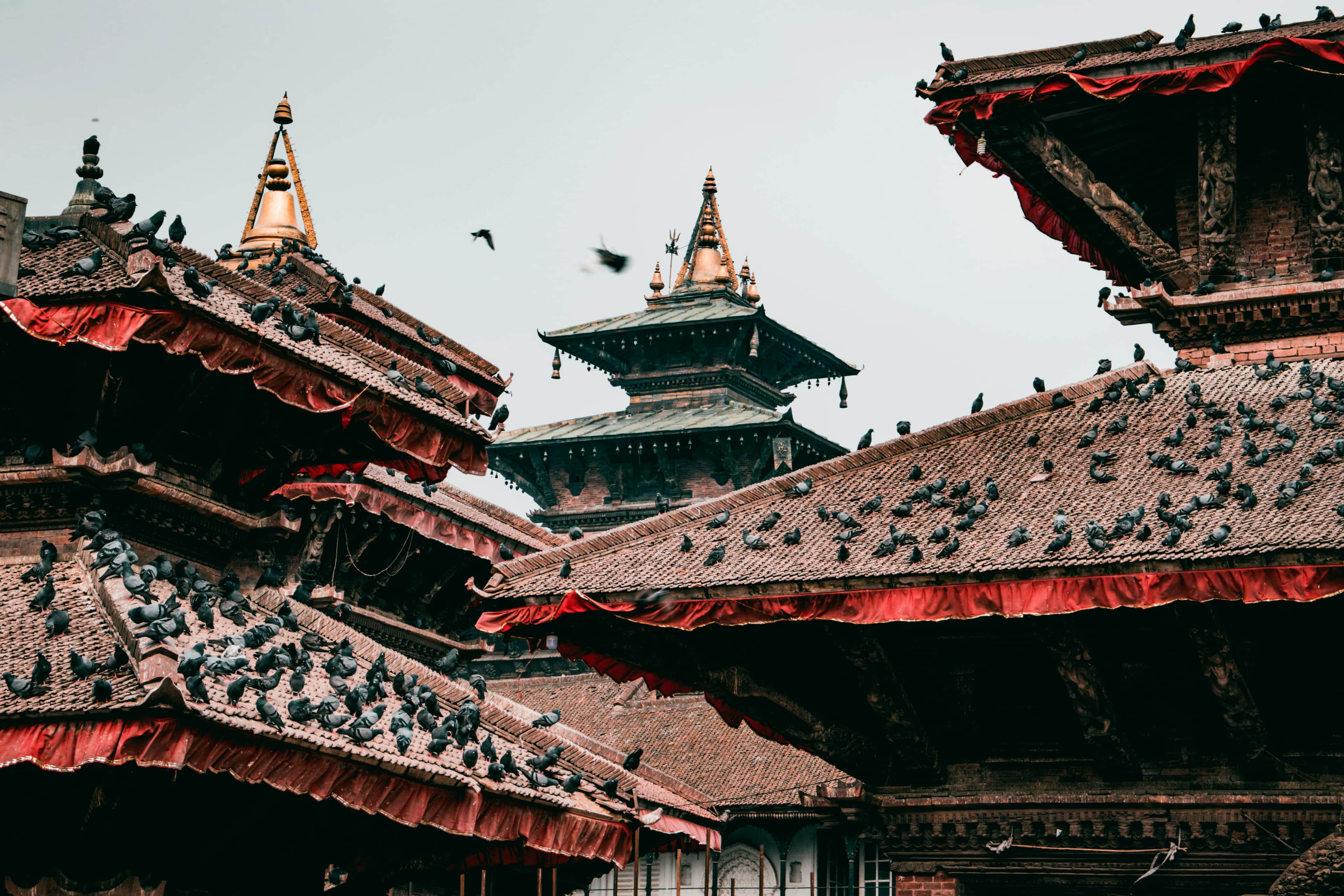
Start your exploration with Kathmandu and visit the UNESCO World Heritage Sites like Swayambhunath Stupa, Pashupatinath Temple and Patan Durbar Square. Proceed with a scenic flight to Pokhara, a city that boasts of serene lakes, magnificent mountain ranges, and other historical sites such as Davis falls, Phewa Lake, and International Mountain Museum.
Then it takes you to Chitwan, where you are taken on jungle safaris, birdwatching and a Tharu village. End your tour in Nagarkot, which boasts of Himalayan panoramic scenery and breathtaking sunrises. It has comfortable accommodations, easy transfers and optional adventure add-ons, making this tour a complete and memorable one to Nepal.
- Exploring Kathmandu Culture: Explore the famous UNESCO World Heritage Sites in Kathmandu: Swayambhunath Stupa, Pashupatinath Temple, Boudhanath Stupa, and Patan Durbar Square. Explore the historical, architectural, and spiritual life of the lively Nepal capital.
- Scenic Beauty of Pokhara: Take an opportunity to enjoy an exclusive boat ride in Phewa Lake with a breathtaking view of the Annapurna Range in the backdrop. Visit such well-known attractions as Davis Falls, Gupteshwor Cave and the International Mountain Museum.
- Jungle Safari Adventure in Chitwan National Park: Have a jungle adventure in Nepal with a jungle tour and canoeing adventure to see the amazing wildlife. See rare species of animals such as one-horned rhinoceroses, Bengal tigers and exotic birds. Get to know the colorful Tharu culture by having a traditional dance performance.
- Magnificent Scenes at Nagarkot: Enjoy the scenic Himalayan scenery, including Mount Everest on a clear day. Bestow a beautiful sunrise over the mountains, and it is a great place to end your trip.
- Uninterrupted Travel and Comfort: Scenic flightsto Kathmandu, Pokhara and Chitwan hassle free flights. You get to select accommodation options based on what you would like, with 3-star hotels all the way to luxury resorts.
- Adventure Seeker Add-Ons: Your tour could be upgraded with different activities, such as paragliding in Pokhara or an Annapurna Base Camp Helicopter Tour to have a magnificent view of Nepal.
This 7-day trip commences with the city of Kathmandu, where you will have a chance to explore the rich cultural heritage of the city such including the UNESCO World Heritage sites such as Swayambhunath Stupa, Pashupatinath Temple and Patan Durbar Square. Explore the local culture and experience the local atmosphere in the middle of the city in Thamel, and have a blend of spiritual and historical life. A scenic flight in Kathmandu to Pokhara in Nepal, the capital of adventure, Phewa Lake, the mountain to witness, the landmarks such as Davis falls and World Peace Pagoda are all waiting in the capital.
Having seen Pokhara, go on a picturesque tour to Chitwan National Park in the green and fertile Terai plains. In this case, you are going to have jungle drives, canoeing and Tharu village cultural experiences. The trip proceeds back to Kathmandu and a ride to Nagarkot, a mountain station that is known to offer an impressive row of Himalayan views and breathtaking sunsets.
The path is an ideal combination of cultural and natural adventure, combined with wildlife, which will guarantee a holistic and memorable visit to Nepal.
- Day01Day 1 -Arrival in Kathmandu and Cultural Exploration.
Upon arrival at the Tribhuvan International Airport, full visa processing through on-arrival, online, or embassy. Pay a visit to Swayambhunath Stupa, which lies on top of a hill and has a panoramic view of Kathmandu Valley. Then spend a night in Thamel, stroll through this busy area, visit local stores and cafes, and immerse yourself in the whole atmosphere.
- Day02Day 2 Kathmandu Valley Heritage Sites.
Go to Patan Durbar Square and view old palaces, Krishna Mandir and the Golden Temple. Proceed to Bhaktapur Durbar Square which is a medieval marvel of artistic splendor. End up in Boudhanath Stupa, which is one of the largest Buddhist stupas in the world with a calm spiritual atmosphere.
- Day03Day 3 -Pokhara Flight and Scenic Beauty.
Make a quick scenic flight to Pokhara of 25 minutes and have aerial views of Annapurna and Machhapuchhre. Explore Lakeside Pokhara, Phewa Lake, Davis Falls, Gupteshwor Cave and International Mountain Museum and enjoy the naturalness and beauty of the city.
- Day04Day 4 -Free Morning and Drive to Chitwan.
Take the day off in Pokhara in the morning or have a panoramic view of the Himalayas by taking the Annapurna Base Camp Helicopter Tour. Take a boat ride on Lake Phewa and stop at Tal Barahi Temple. Afternoon, 4-5hours of driving through fertile valleys and tiny villages to Chitwan.
- Day05Day 5- Chitwan National Park safari.
Ride a thrilling jungle safari either on a jeep or on an elephant to view rhinos, tigers and exotic birds. Go on a canoe ride on Rapti or Narayani River and go to the Elephant Breeding Center. Experience the local Tharu people and culture via a visit to the village and a traditional dance show.
- Day06Day 6 Canoeing & Nagarkot Transfer.
What a wonderful idea to canoe in the mornings of Chitwan, and see crocodiles and birds. Travel to Kathmandu (25 minutes flight) and Nagarkot (1.5-2hours drive). Check into your hotel and have a spectacular Himalayan sunset view of the mountains.
- Day07Day 7 – Departure
Begin the day with a beautiful sunrise view at Nagarkot with panoramic views of the Himalayas, with Mount Everest on clear mornings. After the breakfast, a ride back to Tribhuvan international airport in Kathmandu where you will be taking your departure flight will end an adventurous journey in Nepal.
- Private airport transfers and luxury ground transportation
- 4–5 star hotel accommodation throughout the tour
- Domestic travel as per itinerary (flights or comfortable tourist vehicle)
- Guided sightseeing in major destinations with an expert guide
- Daily breakfast at hotels
- All entry fees to monuments, cultural, and heritage sites
- All government taxes and service charges
- Full trip assistance throughout the journey
- International airfare and Nepal visa fees
- Personal expenses and extra beverages
- Travel insurance (recommended)
- Lunch and dinner (unless specified in itinerary)
- Tips for the guide and driver
The weather varies by season. Spring (March-May) and autumn (September-November) are the most favorable seasons to visit since the sky is clear, and the view is not obstructed. Winters (December-February) are chilly and particularly in Nagarkot, and summers (June-August) are wet and sometimes landslides occur. The outer garments are also beneficial in keeping up with the daily variations, particularly the change in temperature between the lowlands and the hill stations.
The weather varies by season. Spring (March-May) and autumn (September-November) are the most favorable seasons to visit since the sky is clear, and the view is not obstructed. Winters (December-February) are chilly and particularly in Nagarkot, and summers (June-August) are wet and sometimes landslides occur. The outer garments are also beneficial in keeping up with the daily variations, particularly the change in temperature between the lowlands and the hill stations.
It can be an exciting experience planning a trip to Nepal. It is, however, so much better when one is prepared, and therefore, the experience becomes easier and more enjoyable. This guide will include and discuss flights, visas, health and cultural etiquette to maximize your adventure in the 7 days.
Flight Information
The main entry point of international travelers is Tribhuvan International Airport in Kathmandu. The flights lead to large cities throughout the world. Be at the airport at least three hours prior to take off so that you can have time to check in, security and immigration. Domestic flights like in the Everest Scenic Flight or to Pokhara and Chitwan normally run early morning to provide the best vistas of the Himalayas. You should book in advance, particularly during high seasons of trekking and tourist seasons (September -November, March-May).
Нepal Visa Information
At the Tribhuvan International Airport, the majority of the travelers are able to receive a Visa on Arrival. Present an arrival card, present a passport that has a minimum lifespan of six months and pay the fee of USD 30 in 15 days, USD 50 in 30 days, or USD 125 in 90 days. To accelerate the procedure, use online up to 15 days prior to arrival. In the event that you have to extend, you can extend at the immigration offices. Bring with them several copies of their passport and the visa receipt on the trip.
Travel Insurance
All inclusive travel insurance is highly preferred. Other policies are trip cancellation, medical emergencies, evacuation and adventure activities such as trekking, jungle safari and paragliding. When you intend to go high-altitude trekking, ensure that your policy will have at least a limit of 2,000m. Qualified insurance provides financial security and tranquility.
Health and Physical Fitness
The 7-day tour is easygoing and can be of any age. Fitness level is required to be basic because there is minimal walking and no high-altitude trekking. Be hydrated, drink any prescribed medication and visit a physician in case you have pre-existing conditions. In the case of optional adventure (helicopter tours, paragliding) a health check is a good idea.
Packing Essentials
Considered, packing enhances comfort. Bring a pair of comfortable walking shoes, a light jacket during colder evenings in Nagarkot, sunscreen, sunglasses, a reusable water-bottle and personal drugs. A daypack that is small daypack will be helpful in the excursions, and layered clothes will be helpful in keeping the temperature variation between the lowlands and the hill stations.
Altitude Awareness
There is no high-altitude hiking on this tour, but Nagarkot is located at 2,175m. Moderate altitude: watch out and take precautions: keep well hydrated, not overworked and be aware of your body. Light symptoms of the altitude include dyspnea or exhaustion which is typical and can be treated by rest and fluid intake.
Accommodation Standards
The tour accommodations are both low-end and high-end. Clean rooms, modern facilities and breakfast are the standard amenities. Most of the hotels are in the central location where they can easily access the attractions, restaurants and transport. Select areas that are well rated and have well-kept facilities to stay at comfortably.
Cultural Considerations
The culture of Nepal is heterogeneous and very religious. Wear decently, that is, cover shoulders and knees, visiting temples and stupas. Wear no shoes to religious places, do not point feet, touch head of person or gesture with left hand. The observance of local traditions contributes to the improvement of culture and a good relationship.
Tipping Guidelines
Gratuuities are expected and welcomed in case of good service. Round off the bill to 5-10% in restaurants. Guides and drivers receive tips at the end of the tour: USD 5-10/ guide/day and USD 3-5/ driver/day, depending on the quality and duration of service. Tipping is meaningful and in favor of local providers.
Safety & Security
Nepa is safe in general, though it can be taken care of. Keep valuables locked up, particularly in the marketplace or when visiting attractions. Take the instructions of the guide, and watch the irregularities in the way or steps. Carry a copy of your passport, visa and insurance to be able to solve all emergencies within a short period of time.
Currency and Money Matters
The currency that is used is the Nepalese Rupee (NPR). The exchange of major foreign currencies, USD, EUR, GBP, could be performed at authorized banks and money changers in Kathmandu. There are plenty of ATMs found in the cities though withdrawal limits might be present. In cities where credit cards are readily accepted in most hotels and restaurants, you need to carry cash to make purchases in the rural town of Nagarkot, where the facilities of credit cards may not be available.
Give us a review
Pricing
Number of people
Price per person