




Destination
Kathmandu Valley
Duration
5 days and 4 nights
Difficulty
Easy
Max. Elevation
N/A
Group Size
Max. 20 pax
Accommodation
Standard Options
Vehicles
N/A
Food
Bed included, includes: No meals included
The 5 days in Nepal, and immerse in the cultural pulse of Kathmandu and the peaceful beauty of Pokhara. The tour is worth seeing because it gives a visitor an opportunity to explore history, spiritualism and nature all in a limited space in a short period. You will be introduced to the rich heritage of this city, visiting all the iconic sites of UNESCO World Heritage Sites in Kathmandu (Swayambhunath Stupa, Pashupatinath Temple and Patan Durbar Square). Thamel is full of throngs, and it gives contrast to your historical adventure with the whole urban Nepali experience.
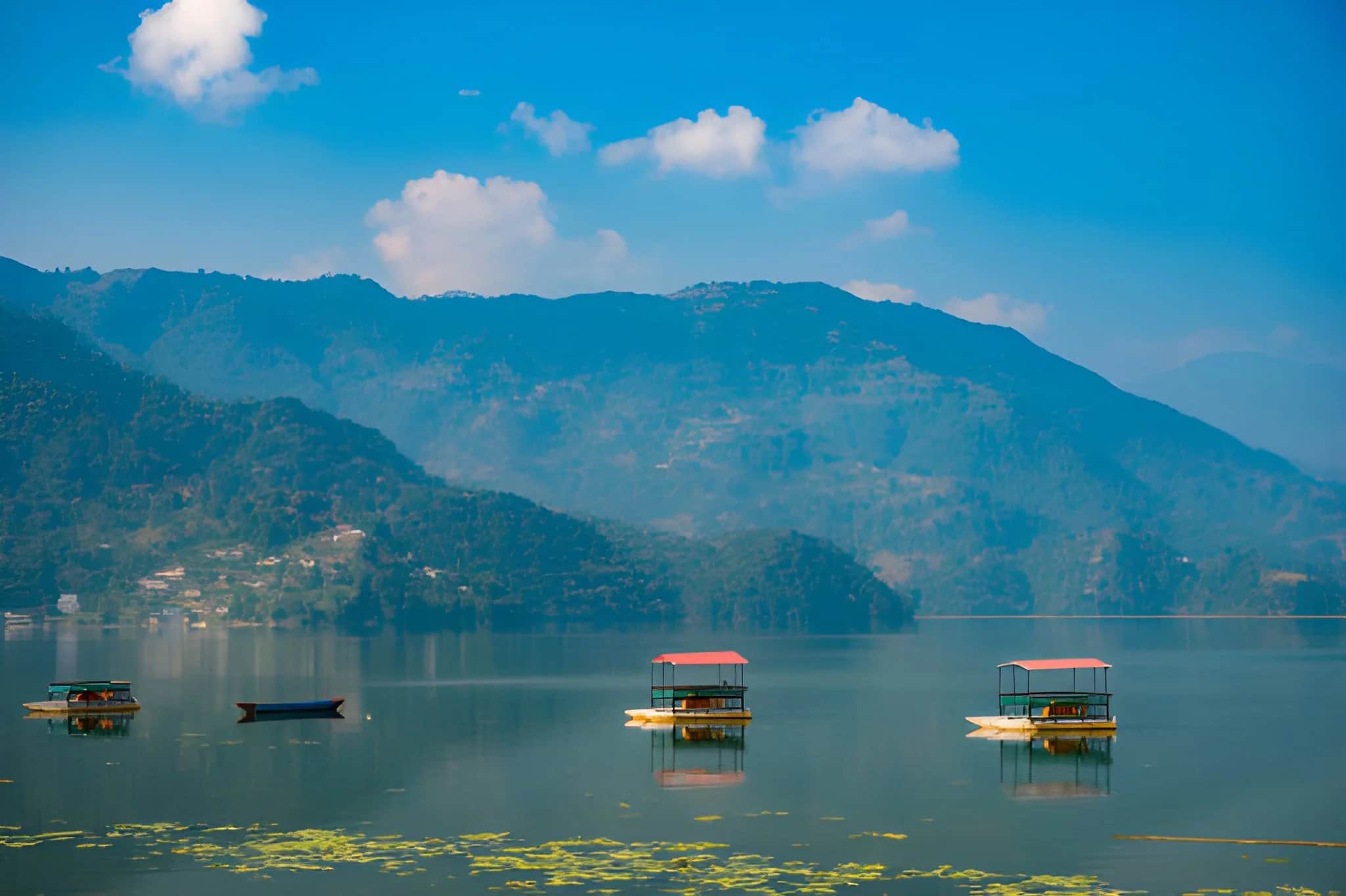
Pokhara places emphasis on nature. Venture into the serene Phewa Lake, enjoy the Davis falls and hike to Sarangkot when the sun is rising to give you an overview of the scenery in the Annapurna and Dhaulagiri ranges. The scenic city provides an ideal blend of adventure, leisure and cultural experience, where the travelers can get to know the natural and religious spirit of Nepal.
The tour will be led by skilled professionals who will guarantee the smooth logistics, comfortable stay, and individual experiences. From ancient temples to spectacular mountain sightseeing, each second is filled with experiences that people will always remember when visiting Nepal.
- Kathmandu: Exploring Culture: Explore the UNESCO World Heritage Sites of Kathmandu, such as Patan Durbar Square, Pashupatinath Temple and Boudhanath Stupa. Explore the vibrant streets of Thamel and the local society.
- Scenic Flight to Pokhara: Witness a brief flight in which one can view the Himalayas.
- The Natural Beauty of Pokhara: Explore Phewa Lake, Devi falls, Gupteshwor Cave and the International Mountain Museum.
- Sarangkot Sunrise and Himalayan Views: The panoramic view of the Annapurna and Dhaulagiri ranges, as well as the spectacular sunrises, are observable.
- Visit the Experiences: Local Villages: Learn about the traditional village located near Sarangkot and the local people.
- Luxurious Meals and Flawless Transportation: Spend the night in the best hotels or resorts with luxury transportation and professional guidance.
This is a 5-day tour that starts in Kathmandu, which is the cultural capital of Nepal. You will also be learning about the heritage sites, temples and palaces of the city, which will give you an in-depth experience of the history, spirituality and architectural beauty of the city. The next thing will be the domestic flight to Pokhara after your exploration in the city, where you will be flying over the magnificent white Himalayas.
In Pokhara, the orientation is changed to natural scenery and tranquility. With walks along the lakes in Phewa Lake up to the viewpoints of Sarangkot, the tourists get to explore the beautiful landscapes of the area and the village life. The tour ends on a visit to Kathmandu with a flight back, making a seamless transition and a full experience of both Nepal and its culture and natural beauty.
- Day01Day 1: Kathmandu Arrival and Cultural Tour
Reach Tribhuvan International Airport in Kathmandu and do visa formalities, and meet your tour representative. Move to your hotel to check in and rest. Subsequently, visit the Swayambhunath Stupa (Monkey Temple), a historical landmark that is also known to be iconic to Kathmandu with a view of the entire city, and finally, in the evening, walk around the shopping, restaurant and cultural hotspot of Kathmandu, Thamel. This day will give you an idea of the cultural learning in Nepal.
- Day02Day 2: Kathmandu Valley Heritage Sites
In the morning following breakfast, you will have a guided tour of the UNESCO World Heritage Sites of Kathmandu Valley. Visit Patan Durbar Square: this is where you can see the architecture of the Newari and visit the Patan Museum. Go on to Boudhanath Stupa to observe the Buddhist rituals and prayer wheels, and go on to Pashupatinath Temple, the holy seat of Nepal. Elective trip to Swayambhunath Stupa to explore more of the culture. In the evening, go back to the hotel and spend some leisure time, either doing personal activities or eating out locally.
- Day03Day 3: Airflight to Pokhara and Natural Beauty
Fly a short domestic flight in Kathmandu to Pokhara with a gorgeous view of the Himalayas. Once there, head to your hotel and rest. Visit the major sightseeing sites in Pokhara, which include a stroll around Phewa Lake, a trip to Devi Falls, and a visit to Gupteshwor Cave. The night is spent at the lakeside with optional activities, shopping or having dinner at the restaurants.
- Day04Day 4: Sarangkot and Traditional Culture Hiking
Begin with an early morning drive to the Sarangkot trailhead and a hike to the viewpoint, which provides panoramic views of the sunrise of Annapurna, Dhaulagiri and Machhapuchhre (Fishtail Mountain). Stroll down to the local traditional villages and feel the local culture and hospitality. In the afternoon, back to Pokhara and spend the time at the lakeside, paragliding or spa.
- Day05Day 5: Sarangkot View of the Sunrise and Departure
Get up in time to observe the spectacular sunrise at Sarangkot again. Eat breakfast back to the hotel, and be ready to go back to Kathmandu. On arrival, check in to your hotel or straight to the international terminal, where your trip will continue as another wonderful 5-day trip in Nepal to discover both the culture and nature of this country.
- Private airport transfers and luxury ground transportation
- 4–5 star hotel accommodation in Kathmandu and Pokhara (4 nights)
- Domestic flights or a comfortable tourist vehicle (Kathmandu–Pokhara–Kathmandu)
- Guided sightseeing tours in both cities with an expert guide
- Daily breakfast at hotels
- All entry fees to heritage and sightseeing sites
- All government taxes and service charges
- Full trip assistance throughout the journey
- International airfare and Nepal visa fees
- Personal expenses and extra beverages
- Travel insurance (recommended)
- Lunch and dinner (unless specified in itinerary)
- Tips for the guide and driver
It is a good idea to prepare before undergoing your Nepal adventure. Knowing the key travel facts, cultural peculiarities, precautionary measures, and other tips can help you enjoy the trip and simplify it. This section includes flights and visas, health, weather, and local customs, the major information that every traveler needs to know prior to visiting Nepal.
Flight Information
The primary international access point of Nepal is Tribhuvan International Airport in Kathmandu, which links to major cities in Asia, the Middle East and Europe. Domestic flights also connect Kathmandu with Pokhara, Lukla and other far-off places, which saves time that would have been used in long road trips. Booking of flights is advisable ahead of time, particularly during peak seasons of trekking, as they are limited.
Nepal Visa Info
The majority of travelers will need a visa to enter Nepal, which can possibly be obtained upon arrival at the Tribhuvan International Airport, or they might apply online in advance. The visa for tourists is usually between 15 and 90 days, depending on your plans. To save time, make sure that you carry a passport with a minimum of six months' validity and with the appropriate visa fee in the form of cash.
Travel Insurance
It is highly recommended that they have comprehensive travel insurance that includes medical emergency, evacuation, trip cancellation, and trekking-related risks. The rough mountainous landscape of Nepal and unforeseeable weather conditions make insurance an important safety net to adventure travelers. Make sure that your policy covers trekking at high altitude in case it is on your itinerary.
Health & Physical Fitness
Having a good physical condition will add value to your experience, especially when doing trekking or outdoor activities. There are some diseases that are advised to be vaccinated against, and any medication needed should be carried by the traveler. It is important to keep yourself well-hydrated, take your time and become accustomed to the elevated altitudes to stay in good health throughout your journey.
Weather Conditions
Nepal is a nation that has varying climates both in terms of the area and season. For travelling, spring (March to May) and autumn (September to November) would be the most favorable seasons, as they are clear and warm. The monsoon season is a wet season (June to August), and the cold winter (December to February) may be unbearable, especially in the mountains.
Altitude Considerations
Mountains like the Everest and Mount Annapurna are areas of high altitude, and they require adequate acclimatization. The symptoms of altitude sickness may be headache, nausea, and tiredness. Slow progression, proper hydration and rest days are essential and extreme symptoms must be addressed immediately or decreased.
Cultural Considerations
The Nepalese culture is strongly entrenched in Hindu and Buddhist cultures. Be respectful of local tradition, dress well when going to temples, and ask permission before taking photographs of people. Learning the rudimentary cultural etiquette helps to improve communication and demonstrates an interest in the local traditions.
Tipping Guidelines
It is also a customary thing to tip when using the services of guides, drivers, porters and restaurant staff in Nepal. Although the levels differ, even small tokens of gratitude (usually 5-10 per cent in restaurants or set fees with guides and porters) are expected. Service providers have a large portion of their income from tipping.
Safety & Security
Generally, Nepal is a safe place to visit, though general precautions that people should take are to exercise a keen eye over their personal items, avoid dark spots during the night, and watch their purses in the market. Political protests are uncommon, but to avoid them, tourists should pay attention to the news in the country and also to the advice given by the authorities.
Currency & Money Matters
It uses the Nepalese Rupee (NPR) as its official currency. ATMs have become very common in urban areas, and cash is very necessary in rural areas. Hotels and other larger establishments are usually able to take credit cards, but this might not be the case in the rural villages. You should carry a combination of cash and cards so that you are flexible.
Transportation
The major destinations are connected with the help of public buses, taxis, ride-sharing applications, domestic flights, etc. In mountainous regions, roads might be narrow and zigzag and thus the road can take a lot more time than anticipated. A driver or guide with good reliability will be hired, which will help in the ease of navigation as well as safety.
Electricity & Charging
Nepal operates with 230 V, 50Hz electric supply and type C, D and M plugs. It is typical that power cuts happen in rural locations, so it is better to bring a portable charger or power bank. City hotels tend to provide charge facilities to guests.
Festivals & Public Holidays
Nepal has a rich cultural calendar with festivals such as Dashain, Tihar, Holi and Buddha Jayanti. The public holidays can also influence business and transport services and tourism; thus, to avoid any inconveniences, it is always better to plan. Local festivals are also good ways to experience local culture.
Food & Dining
The Nepalese food is tasty and varied, as rice, lentils, and vegetables are the main products. Foods that are popular are momo (dumplings), dal bhat (lentil rice) and thukpa (noodle soup). To avoid getting sick, travelers ought to adhere to the most basic food safety measures and consume bottled or purified water.
Weather Changes & Cancellation
Travel arrangements can be impacted by erratic weather, delays or other natural occurrences. Travel insurance and flexible itineraries give one peace of mind. Whenever making a booking, ensure that you do it early on and keep in touch with the local operators to keep updated on time.
Language & Communication
The official language is Nepali, but English is common in the tourist regions. It is possible to learn some simple phrases to improve communication and show respect for the local culture. Coverage of mobile networks is strong in urban areas, but in remote areas, the coverage can be minimal.
Responsible Tourism
The practices that are sustainable in tourism are useful in saving the environment and culture of Nepal. Wildlife - Protect wildlife, clean up, shop and use less plastic. Responsible tourism will take into consideration that the country and its natural and cultural benefits will still be available to future tourists.
Give us a review
Pricing
Number of people
Price per person