



Destination
Kathmandu Valley
Duration
3 days and 2 nights
Difficulty
Strenuous
Max. Elevation
N/A
Group Size
N/A
Accommodation
Standard Options
Vehicles
N/A
Food
No bed or meals included
The 7-day trip to the most interesting sites in Nepal, Kathmandu, Dhulikhel, and Chitwan, is all luxury. The cultural experience of this tour is combined with stunning landscapes and wildlife adventure; the tour will provide visitors with the smooth combination of history, nature and a comfortable environment. Start in Kathmandu, the colorful capital, with ancient temples, mile-long markets and UNESCO World Heritage Sites, which will welcome one to the Nepalese culture in the most memorable way possible.
Out of Kathmandu, take a personal helicopter flight to Dhulikhel, a picturesque and peaceful hillside village with breathtaking views of the Himalayas. Traditional villages, gentle walks, and relaxing in the beauty of this picturesque area. Having both the posh resort and the local culture was a winning formula as it could guarantee relaxation and a valuable interaction with the environment.
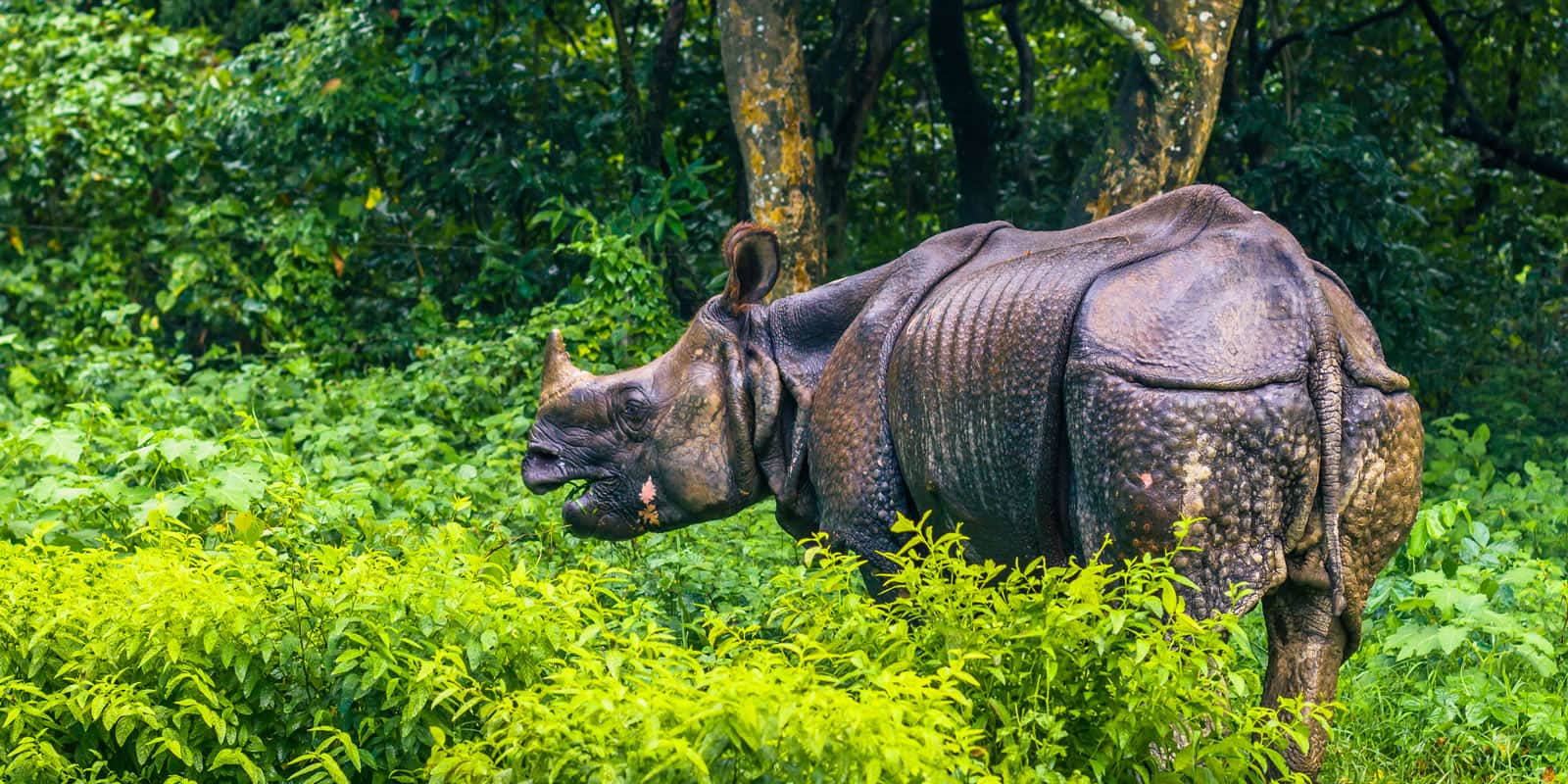
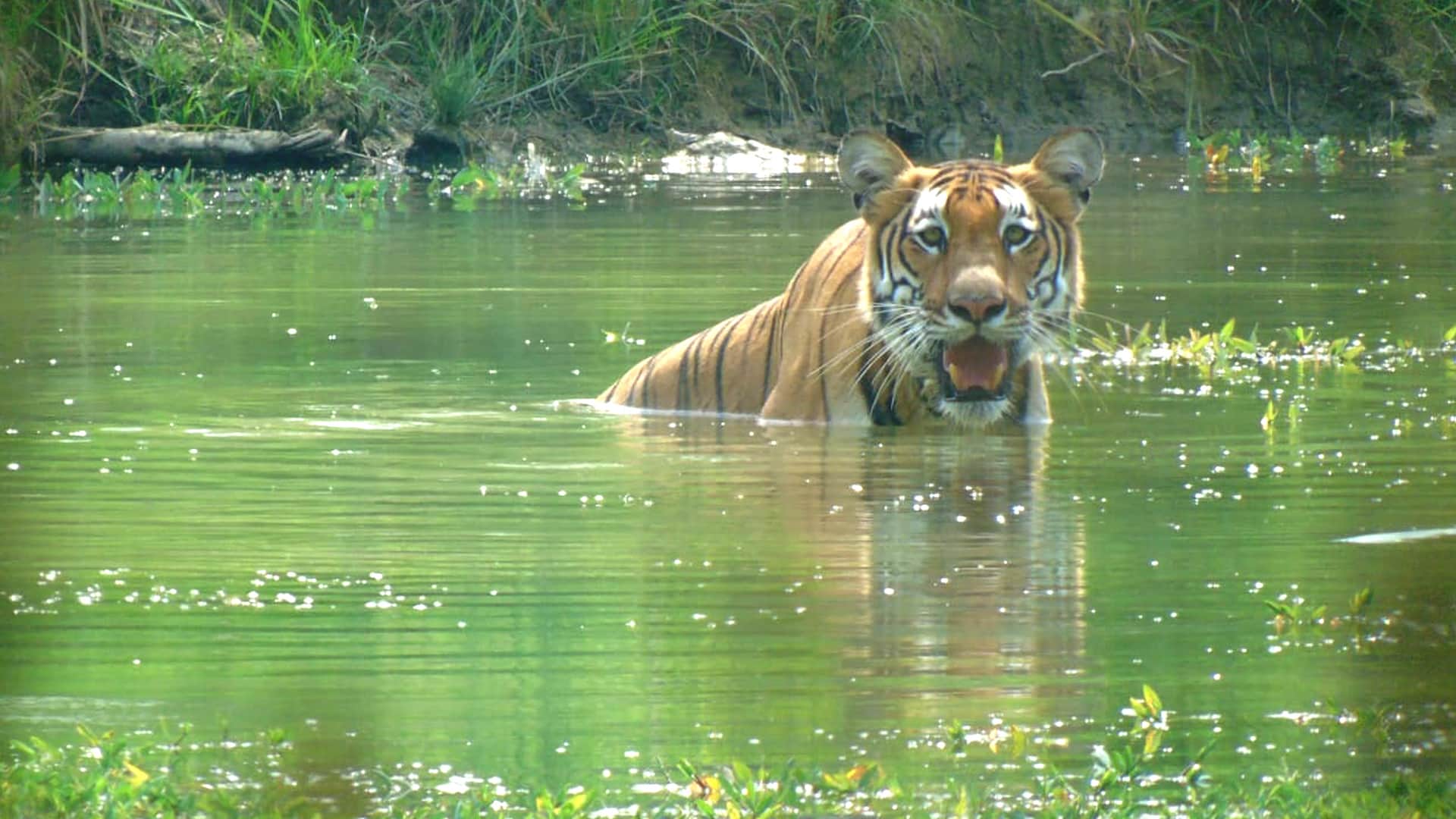
The trip proceeds to Chitwan National Park, which is the best wildlife park in Nepal. Those who come to the jungle will spend their entire days in the jungle by guided safaris, canoe rides and watching birds, rhinos, tigers and exotic wildlife. It is an adventure and a luxury trip with world-class accommodations, individual transfer, and custom services all over it, making the trip a full Nepalese escape.
- Cultural/historical - Visit the UNESCO World Heritage Sites in Kathmandu Valley, such as Swayambhunath Stupa, Patan Durbar Square, Pashupatinath Temple and Boudhanath Stupa.
- Scenic Himalayan Views: Have a scenic helicopter transfer with the scenic view of the Himalayas and Kathmandu Valley, in addition to enjoying a serene sunset in the Dhulikhel hills.
- Wildlife Safari in Chitwan: Jeep safaris, canoeing and walking through the jungles allow one to see Bengal tigers, one-horned rhinos, elephants and exotic birds.
- Village and Cultural Immersion: Explore the lives of the Tharu people at Chitwan and the village life of Dhulikhel village with its old traditions and buildings.
- Adventure & Leisure: Moderate walks around the Dhulikhel mountains in addition to chilling lodge experiences in a beautiful and serene environment.
- Comfort and Hospitality: Spend a night in 5-star hotels and lodges with high-quality services, tours, and dinners, which will be a smooth luxury adventure.
- Farewell Celebration: End the trip with a cultural dinner in Kathmandu, where we will enjoy Nepalese traditional food and performances.
This tour will start with you arriving in Kathmandu, where you will visit some of the key cultural sites in the city, including Swayambhunath Stupa, Patan Durbar Square, Pashupatinath Temple, and Boudhanath Stupa. Having explored the rich history of the city and the bright markets, a scenic helicopter ride to Dhulikhel, where one can see the breathtaking scenery of the Himalayas and Kathmandu Valley, is worth doing.
A helicopter flight back to Kathmandu takes you back to Dhulikhel, and then you are on a domestic flight to Chitwan. In this case, you will relax in a luxury lodge and immerse in all-day jungle activities, which include Safaris in jeeps, canoes, and also cultural walks in the villages. The tour ends on a flight to Kathmandu and a farewell dinner with the memories of Nepal culture, sceneries and wildlife to last.
- Day01Day 1: Kathmandu and Pre-Trip Meeting
Land at Tribhuvan International Airport, take visa formalities and meet your Luxury Holidays Nepal representative. Move to your 5-star hotel in Kathmandu and register for the pre-trip briefing. Make the ready trip and rest in the luxurious conditions provided by the hotel.
- Day02Day 2: Kathmandu Sightseeing and Helicopter to Dhulikhel
Sightseeing of Kathmandu Valley Sightseeing of Kathmandu Valley of UNESCO World Heritage Sites: Swayambhunath Stupa, Patan Durbar Square, Pashupatinath Temple and Boudhanath Stupa. After breakfast, visit Kathmandu Valley UNESCO World Heritage Sites, Swayambhunath Stupa, Patan Durbar Square, Pashupatinath Temple and Boudhanath Stupa. In the afternoon, take a personal helicopter flight to Dhulikhel on a scenic flight. Fly with the stunning sights of the Himalayas and settle in your resort, and spend the night in the hills.
- Day03Day 3: Village of Dhulikhel and Short Hike
Begin the day by taking an easy hike through the hills of Dhulikhel, drinking in Himalayan panoramic spectaculars. Go to a village in the area and see how people live in traditional ways, their practices and structures. Go back to the resort to spend time having fun in the quiet environment or have an experience of cultural exchange with the locals.
- Day04Day 4: Helicopter to Kathmandu & Flight to Chitwan
Start with a helicopter flight early in the morning back to Kathmandu and then board a domestic airliner to Chitwan. When you arrive, you will be welcomed at your luxury lodge and then you will have the opportunity to visit the beautiful environment of the lodge. Get ready to go on an adventure in Chitwan National Park the following day.
- Day05Day 5: Full-Day Jungle Activities in Chitwan
Go on an exciting jungle with the help of knowledgeable naturalist guides. Take jeep safaris to nearby thick forests to see rhinos, tigers, and deer. Take relaxing canoe rides along the Rapti River and do some bird watching. Go to a local Tharu village and understand the local culture and traditions.
- Day06Day 6: Return to Kathmandu
Breakfast and then the domestic flight back to Kathmandu is short. Spend your day leisurely exploring the city, either visiting old familiar places, shopping, or relaxing in your hotel.
- Day07Day 7: Departure
Have breakfast and then have your own time at Tribhuvan International Airport to take off. End your luxury adventure by thinking of a wonderful trip amidst Nepal's cultural, scenic, and wildlife attractions.
Domestic Air Transportation
Round-trip domestic flights between Kathmandu and Bharatpur, including all applicable airport taxes.
Private Ground Transfers
All arrival, departure, and intercity transfers by comfortable private vehicle between airports, hotels, and bus stations.
Full-Board Meal Plan
All meals during the program on a full-board basis, including breakfast, lunch, and dinner, along with tea, coffee, and hot water.
Hotel & Resort Accommodation
Accommodation on a twin-sharing basis at selected hotels or resorts, offering a comfortable stay aligned with the itinerary.
Jungle Activities & Safari Experiences
All jungle safaris and nature-based activities as outlined in the itinerary, conducted in accordance with national park regulations.
National Park Fees & Permits
All required national park entrance fees and permits are included.
Professional Nature Guide
Services of an experienced, English-speaking nature/jungle guide for all wildlife and safari activities.
On-Ground Tour Management
Complete trip coordination and operational support by Himalaya Vibes, ensuring smooth execution of the program.
Service Charges & Government Taxes
All office service charges, applicable government taxes, and official fees are included in the package price.
Safety & Activity Briefing
Pre-activity briefing covering safety guidelines, park rules, and wildlife awareness.
Emergency Assistance Coordination
Support in coordinating emergency assistance if required during the program (costs covered by the traveler’s insurance).
Meals & Accommodation in Kathmandu
Any meals and hotel accommodation in Kathmandu before or after the program are not included.
International Airfare
International flights to and from Nepal are excluded from the package cost.
Nepal Tourist Visa
Nepal entry visa fees are not included. Visas are easily available on arrival at Tribhuvan International Airport, Kathmandu. Current fees are USD 30 (15 days), USD 50 (30 days), and USD 125 (90 days), subject to government regulations.
Travel & Medical Insurance
Personal travel and medical insurance is excluded. Insurance must include coverage for high-altitude trekking and emergency evacuation.
Emergency Evacuation & Rescue
Costs related to emergency evacuation, including helicopter rescue, are not included and must be covered by the traveler or their insurance provider.
Personal Expenses
Expenses of a personal nature such as shopping, souvenirs, laundry services, phone calls, internet usage, and similar items are excluded.
Drinks & Beverages
All alcoholic beverages, soft drinks, bottled drinks, and any bar bills are not included.
Personal Trekking Equipment
Personal trekking gear such as sleeping bags, down jackets, and similar equipment is not included (these items can be hired in Kathmandu if required).
Unforeseen Itinerary Changes
Any additional costs arising from itinerary changes or delays due to landslides, weather conditions, domestic flight delays, political disturbances, strikes, or other factors beyond control are excluded.
Tips & Gratuities
Tips for guides, support staff, and drivers are not included. Tipping is customary in Nepal and is at the traveler’s discretion.
Other Unspecified Expenses
Any services or costs not explicitly mentioned in the “Cost Includes” section are excluded.
Early Trip Interruption
Expenses incurred due to early departure or trip interruption for personal or medical reasons are non-refundable and must be borne by the traveler.
Optional Activities
Any optional or non-program activities not outlined in the confirmed itinerary are excluded.
The primary consideration before going out on a trek is to prepare in advance, in order to have a safe, comfortable, and enjoyable adventure. With correct planning, you can all the time be able to enjoy the trip, enjoy the scenery, and enjoy the culture of the people without being stressed. These are valuable tips and information to prepare you in case you are going on a trek.
Flight Information
You are responsible for making your own international flights to and from Kathmandu. When you arrive at Tribhuvan International Airport, someone will accompany you to your accommodation. The schedule includes already planned internal flights, including the one from Kathmandu to Pokhara, so your journey will run smoothly. You get to Kathmandu on the first day and leave after breakfast on the last day.
Nepal Visa Information
Most people who want to go to Nepal require a visa to enter. They can receive one at the airport when they arrive. You need to bring a valid passport, photos that are the same size as a passport, and the visa fee. You can receive a tourist visa that lasts 15, 30, or 90 days. You can also apply online before you leave to make sure your application is processed fast. Check the most recent requirements before you go.
Travel Insurance
You need travel insurance that covers things like canceling your vacation, becoming sick, and doing exciting activities like paragliding or rafting. Take a copy of your policy with you on the tour to feel better.
Fitness and Health
This trip is suitable for persons who are in good shape. Every day, you can go sightseeing, take short walks, go on boat trips, or go on safaris. There are tiny fluctuations in height, but they're not hard to deal with. Talk to your doctor about any health problems you may have, drink enough water, and get enough sleep before you leave.
Weather Conditions
The weather in Nepal is different in different locations and at different times of the year. In the spring (March to May) and fall (September to November), the weather is usually beautiful and the skies are clear. In Kathmandu and Pokhara, the temperature is normally between 15 and 25 degrees Celsius. It could be warmer in Chitwan. It can be hard to travel during the monsoon season (June to August) when it rains a lot. For the frigid mornings and evenings, bring clothing and a light jacket.
Cultural Considerations
Nepal has a great number of religions and civilizations. You need to cover your shoulders and knees when visiting a temple. You are going to a holy place, so put off your shoes. Civility is desirable by all, so when you meet anyone, say Namaste to all of them and do not take snapshots of people, particularly in rural communities.
Tipping Guidelines
It is quite natural to fall over, though not necessary. It is a habit in restaurants to leave a tip ranging between 10 and 15 per cent in case no service is provided. In the majority of cases, the workers of the hotel receive NPR 100-200 daily, guides receive NPR 500-1000 daily, and drivers receive NPR 300-500 daily.
Safety and Security
Watch out, though, since Nepal is relatively safe. Always avoid going out at night on your own, never leave your valuables in places where they can be robbed and always listen to your guide, particularly when on a safari or doing anything exciting.
Currency and Money Matters
Nepal's currency is the Nepalese Rupee (NPR). Large cities possess banks and ATMs as well as money-shifting locations. However, you must possess sufficient cash that you can use in the event that you travel
a distance. Hotels and large restaurants also accept credit cards, but you'd better pay in cash for small items.
Transportation
People get around by automobile and by domestic plane. Always wear your seatbelt because mountain roads can be curvy. If you don't have to, don't utilize public transit.
Charging and Power
Nepal uses 230 V, 50 Hz power and has Type C, D, and M plugs. Because there may be power outages in remote locations, you should bring a universal adapter and a power bank.
Holidays and Festivals in the Public
Dashain, Tihar, and Holi are important holidays that can disrupt how things function for tourists and services. Make plans ahead of time because some places may be closed on holidays.
Eating and Drinking
Nepalese dishes include dal bhat, momo, and sel roti. Only dine at well-known eateries and drink bottled water to avoid stomach troubles. There are a number of choices for vegetarians and vegans.
Festivals and Public Holidays
The weather, especially during the monsoon, could make changes to the schedule. If it's practicable, other plans will be made accessible. Before you book, make sure you know the cancellation policy to prevent unnecessary penalties.
Language and Communication
Nepali is the official language, but English is widely spoken in places where tourists go. Cities have adequate cell phone coverage, while rural locations might lack it. Most hotels provide Wi-Fi, and SIM cards for your phone are affordable.
Give us a review
Pricing
Number of people
Price per person