



Destination
Nepal Tour
Duration
9 days and 8 nights
Difficulty
Moderate
Max. Elevation
N/A
Group Size
N/A
Accommodation
Standard Options
Vehicles
N/A
Food
No bed or meals included
The country of the high Himalayas and lively culture, Nepal, can be presented as the land of adventure and real fun to both thrill-seekers and lovers of nature. This 9-day Adventure Sports Tour is carefully planned to bring out the optimum adventure and relaxation mix. Whether it is rafting through the Trishuli River rapids or trekking through the green jungles of the Chitwan National Park, there is not a single moment when they are not going to be thrilling and immerse them in the very world they wish to discover. Tourists will experience the rich biodiversity in Nepal and experience the Tharu community in a luxurious room and guided tours.
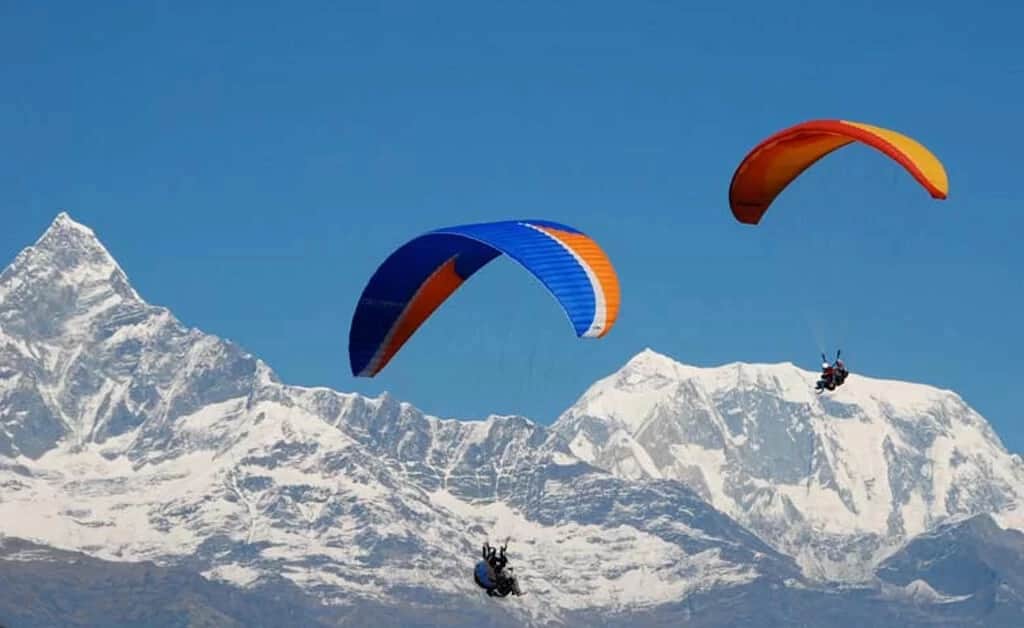
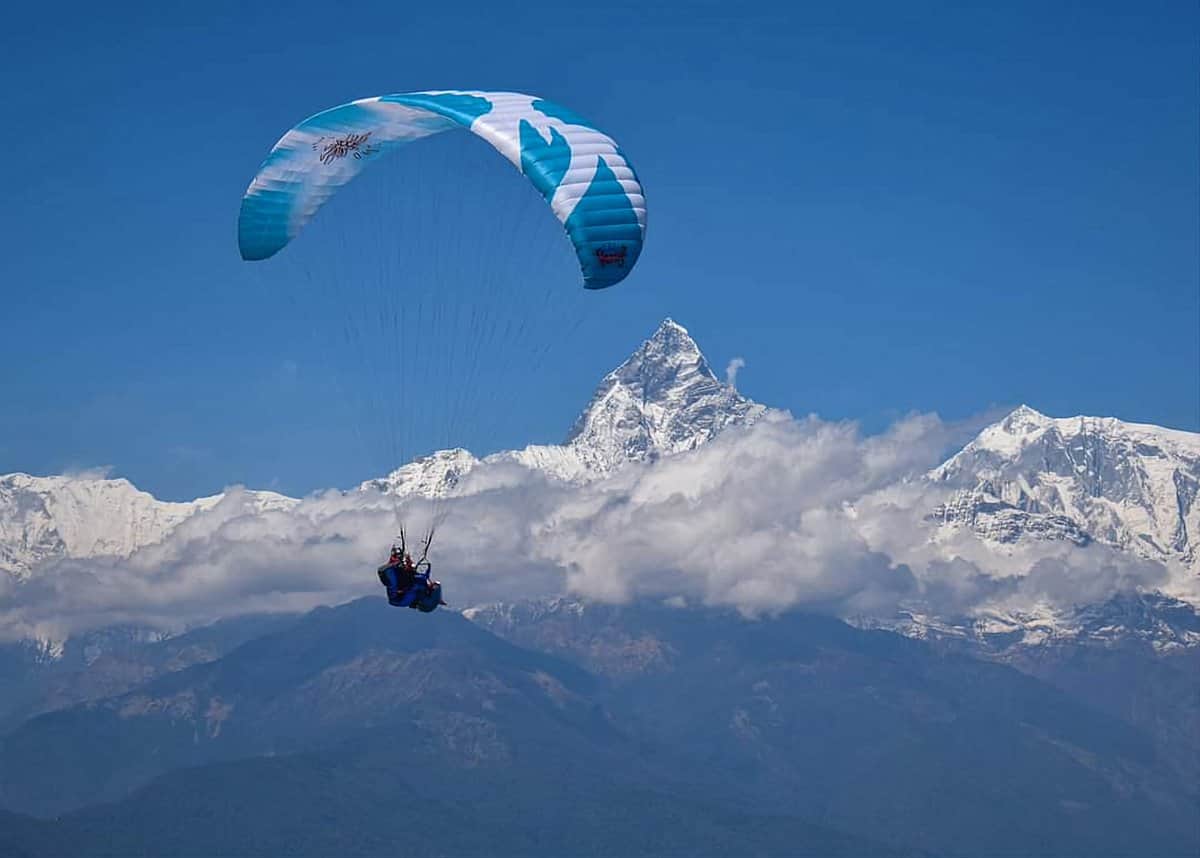
Attended by thousands of travelers every year, Pokhara, the adventure capital of Nepal, offers unprecedented experiences with paragliding, zip-lining, and hot air ballooning. These experiences are accompanied by breathtaking views and heart-throbbing adventure, and all these are set against the backdrop of awe-inspiring Annapurna and Dhaulagiri. The tour is not just an adventure, but a cultural experience that takes a person through several locations of significant importance in the cultural heritage of Nepal, including Davis Falls, Gupteshwor Cave and World Peace Pagoda, among other places and places of worship in Nepal.
The trip will end with a scenic flight to Kathmandu with a farewell dinner with Nepali food and cultural shows. This tour will not only be a trip, it will be an invitation to the discovery of the natural beauty, adventure sports of Nepal, as well as exploring the heritage of the country in a seamless, expertly crafted journey.
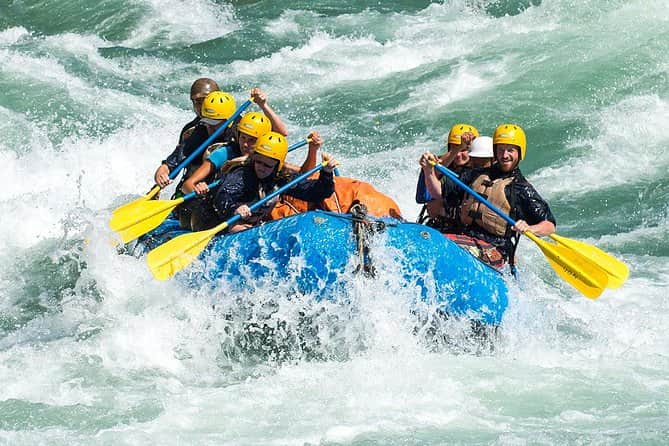
- Thrilling White-Water Rafting: Beaten by the Trishuli River rapids amidst gorgeous valleys.
- Chitwan National Park Safari: Get a sight of rhinos, tigers, exotic birds during the elephant ride, canoeing and cultural Tharu entertainment.
- Pokhara adventure activities: Paragliding, zip lining, and hot air ballooning, with the Himalayan scenery.
- Exploration of Culture: Get to know the places, such as the Davis Falls, Gupteshwor Cave and the World Peace Pagoda.
- Comfort and Hospitality: Accommodation in 3-star hotels and luxury rafting camp sites, where the professional guides will see to it that all things are going well.
- Scenic Drives and Flights: It will include a scenic drive and flight between Kathmandu and Pokhara in a privately owned vehicle.
- Farewell Dinner: It will be a party to remember the trip in traditional Nepali food and cultural performances.
The adventure begins in Kathmandu where the guests are introduced, oriented and then they head to Trishuli River to get an adventure filled with adrenaline rush. The tour continues south after passing through the rapids to Chitwan National Park, where it has exotic wildlife, including rhinos, Bengal tigers. Here, the tourists are able to take jungle sightseeing tours, canoeing and a cultural experience with the Tharu people, and this brings out a memorable adventure and local experience.
Then the trip to Nepal, as the outdoor adventure center, Pokhara. The visitors can take an adventure tour on a paraglider and zip-liner flying through stunning landscapes, cultural and nature tours, visitors can pay a visit to the Peace Pagoda, Davis fall and Gupteshwor cave. The tour closes with scenic flights back to Kathmandu and aerial views of the Himalayas, and finally a farewell dinner, which leaves the travelers with a memorable event of what is regarded as the perfect adventure in Nepal.
- Day01Day 1 – Arrival in Kathmandu:
Enter Tribhuvan International Airport and get the visa done. Welcome to your Luxury Holidays Nepal by your official. Relax and become oriented on the adventure of the next day, getting ready to have a great adventure in Nepal.
- Day02Day 2 - Rafting along the Trishuli River:
Start the adventure by white-water rafting. Explore beautiful scenery and go through difficult rapids. Stay overnight and have all meals included in a riverside camp with all stories being told around the campfire after a thrilling day.
- Day03Day 3 – Drive to Chitwan National Park:
Go to Chitwan National Park, which is listed on UNESCO. Arrive at your resort, and in the evening, watch a traditional Tharu dance show and get sucked into the local culture and hospitality.
- Day04Day 4 – Jungle activities in Chitwan:
One day of wildlife activities awaits. Take part in bird watching, canoe rides and elephant safaris. Explore the elephant breeding park and have a glimpse of the rare wildlife species such as rhinos and tigers, among others, all under the guidance of professional naturalists.
- Day05Day 5 – Drive to Pokhara:
Start a trip to Pokhara, which is the capital of adventure in Nepal. Check into the hotel and then relax in a peaceful evening around Phewa Lake and the Lakeside market to enjoy the peaceful beauty of the city.
- Day06Day 6 – Adventure Activities in Pokhara:
Do some adrenaline-rush activities such as paragliding, zip-lining and hot air ballooning, against a backdrop of Himalayan panoramic scenes. This is a day that will be remembered by adrenaline-induced adventure seekers.
- Day07Day 7 – Sightseeing in Pokhara:
Search the cultural and natural sites of Pokhara. Tour the Peace Pagoda with Himalayan panoramas, explore the depth of Gupteshwor Cave, sightsee Davis falls and have a relaxing boat ride to Tal Barahi Temple of Phewa Lake.
- Day08Day 8 – Kathmandu to Kathmandu Flight and Dinner:
Flight helicopter tour back to Kathmandu. Spend the day off either in last-minute shopping or sightseeing, then have a farewell dinner consisting of traditional Nepali food and a dance performance.
- Day09Day 9 – Departure:
Breakfast and then move to Tribhuvan International Airport to board an aircraft. Take back memories of the life-changing adventure, the culture and the spectacular views of Nepal.
- Private airport transfers and comfortable ground transportation
- Professional licensed instructors and safety briefing
- All adventure activities as per itinerary (e.g., rafting, paragliding, zipline, bungee, etc.)
- Required equipment and safety gear
- All permits, entry fees, and government taxes
- First-aid support and full trip assistance
- International airfare and Nepal visa fees
- Personal expenses and extra beverages
- Travel insurance (recommended for adventure activities)
- Tips for instructors and staff
- Optional activities not mentioned in the itinerary
The primary consideration before going out on a trek is to prepare in advance, in order to have a safe, comfortable, and enjoyable adventure. With correct planning, you can all the time be able to enjoy the trip, enjoy the scenery, and enjoy the culture of the people without being stressed. These are valuable tips and information to prepare you in case you are going on a trek.
Flight Information
You are responsible for making your own international flights to and from Kathmandu. When you arrive at Tribhuvan International Airport, someone will accompany you to your accommodation. The schedule includes already planned internal flights, including the one from Kathmandu to Pokhara, so your journey will run smoothly. You get to Kathmandu on the first day and leave after breakfast on the last day.
Nepal Visa Information
Most people who want to go to Nepal require a visa to enter. They can receive one at the airport when they arrive. You need to bring a valid passport, photos that are the same size as a passport, and the visa fee. You can receive a tourist visa that lasts 15, 30, or 90 days. You can also apply online before you leave to make sure your application is processed fast. Check the most recent requirements before you go.
Travel insurance
You need travel insurance that covers things like canceling your vacation, becoming sick, and doing exciting activities like paragliding or rafting. Take a copy of your policy with you on the tour to feel better.
Fitness and Health
This trip is suitable for persons who are in good shape. Every day, you can go sightseeing, take short walks, go on boat trips, or go on safaris. There are tiny fluctuations in height, but they're not hard to deal with. Talk to your doctor about any health problems you may have, drink enough water, and get enough sleep before you leave.
Weather Conditions
The weather in Nepal is different in different locations and at different times of the year. In the spring (March to May) and fall (September to November), the weather is usually beautiful and the skies are clear. In Kathmandu and Pokhara, the temperature is normally between 15 and 25 degrees Celsius. It could be warmer in Chitwan. It can be hard to travel during the monsoon season (June to August) when it rains a lot. For the frigid mornings and evenings, bring clothing and a light jacket.
Cultural Considerations
Nepal has a great number of religions and civilizations. You need to cover your shoulders and knees when visiting a temple. You are going to a holy place, so put off your shoes. Civility is desirable by all, so when you meet anyone, say Namaste to all of them and do not take snapshots of people, particularly in rural communities.
Tipping Guidelines
It is quite natural to fall over, though not necessary. It is a habit in restaurants to leave a tip ranging between 10 and 15 per cent in case no service is provided. In the majority of cases, the workers of the hotel receive NPR 100-200 daily, guides receive NPR 500-1000 daily, and drivers receive NPR 300-500 daily.
Safety and Security
Watch out, though, since Nepal is relatively safe. Always avoid going out at night on your own, never leave your valuables in places where they can be robbed and always listen to your guide, particularly when on a safari or doing anything exciting.
Currency and Money Matters
Nepal's currency is the Nepalese Rupee (NPR). Large cities possess banks and ATMs as well as money-shifting locations. However, you must possess sufficient cash that you can use in the event that you travel a distance. Hotels and large restaurants also accept credit cards, but you'd better pay in cash for small items.
Transportation
People get around by automobile and by domestic plane
. Always wear your seatbelt because mountain roads can be curvy. If you don't have to, don't utilize public transit.
Charging and Power
Nepal uses 230 V, 50 Hz power and has Type C, D, and M plugs. Because there may be power outages in remote locations, you should bring a universal adapter and a power bank.
Holidays and Festivals in the Public
Dashain, Tihar, and Holi are important holidays that can disrupt how things function for tourists and services. Make plans ahead of time because some places may be closed on holidays.
Eating and Drinking
Nepalese dishes include dal bhat, momo, and sel roti. Only dine at well-known eateries and drink bottled water to avoid stomach troubles. There are a number of choices for vegetarians and vegans.
Festivals and Public Holidays
The weather, especially during the monsoon, could make changes to the schedule. If it's practicable, other plans will be made accessible. Before you book, make sure you know the cancellation policy to prevent unnecessary penalties.
Language and Communication
Nepali is the official language, but English is widely spoken in places where tourists go. Cities have adequate cell phone coverage, while rural locations might lack it. Most hotels provide Wi-Fi, and SIM cards for your phone are affordable.
Local Customs and Etiquette
Know about other cultures: say "Namaste," respect your elders, don't point your foot at people or religious idols, and obey the norms of civility when you shake hands or go to temples.
Give us a review
Pricing
Number of people
Price per person