



Destination
Nepal Tour
Duration
8 days and 7 nights
Difficulty
Challenging
Max. Elevation
N/A
Group Size
N/A
Accommodation
Standard Options
Vehicles
N/A
Food
No bed or meals included
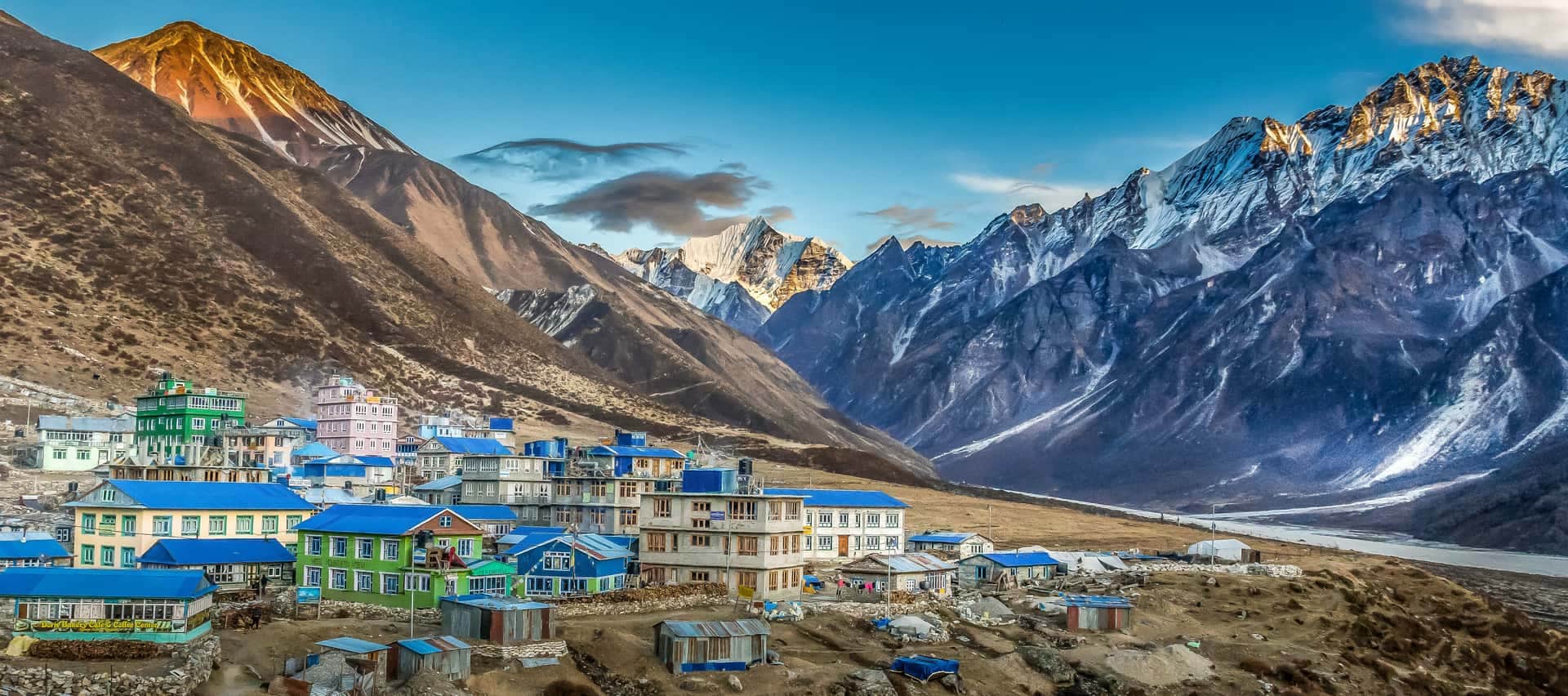
Langtang Trek is an 8-day adventure into the Himalayas in the Langtang region of Nepal, a remote mountain north of Kathmandu. This trek offers a perfect blend of natural beauty, cultural experiences, and moderate trekking challenges due to its forests, alpine meadows, and mountain views. Trekkers enjoy the Tamang villages, Buddhist monasteries, and unimpeded scenery of Langtang National Park, including views of Langtang Lirung (7,227 m) and other Himalayas.
Exploring terraced fields, rhododendron forests, and crystal-clear rivers, trekkers experience the local Tamang and Sherpa cultures. Kyanjin Gompa monastery offers historical and spiritual value, while glaciers and alpine meadows provide spectacular photographic and meditative scenery.
This trek is ideal for those seeking a relaxing and refreshing Himalayan experience with fewer trekkers than Everest or Annapurna regions, offering an immersive journey through one of Nepal’s most scenic valleys.
- Scenery & Landscapes: Langtang, Lirung, Ganesh, Gosaikunda mountains, glaciers, waterfalls, and meadows.
- Culture/Traditions: Traditional Tamang villages, Kyanjin Gompa monastery, mani walls, prayer flags, and homestays.
- Nature and Wildlife: Rich biodiversity including rhododendron forest, Himalayan bear, red panda, and langur.
- Adventure Emerge: Moderate hiking with steep passages, water crossings, high-altitude routes, and glacier vantage points.
The trek begins with a scenic journey from Kathmandu to Syabrubesi, a village on the Bhote Koshi River bank. Trekkers move through pine and rhododendron-oak forests along the Langtang Khola River, passing tiny Tamang villages to experience local life and customs.
Moderate trekking leads to Kyanjin Gompa, a village with an ancient monastery and access to Langtang Glacier. Side trips such as the ascent to Kyanjin Ri offer panoramic mountain views. The return follows the same trail back to Syabrubesi, ending with a drive to Kathmandu.
Langtang Trek offers a holistic Himalayan experience combining culture, wilderness, and memorable mountain moments.
- Day01Day 1: Kathmandu to Syabrubesi
Travel through zigzag roads passing small villages, terraced fields, and the Trishuli River. Formalities are completed at Syabrubesi, the entrance to Langtang National Park.
- Day02Day 2: Syabrubesi to Lama Hotel
Trek along Bhote Koshi River through oak, pine, and rhododendron forests, suspension bridges, and waterfalls. Visit Tamang villages with stone houses and mani walls. Stay at Lama Hotel with comfortable teahouses.
- Day03Day 3: Lama Hotel to Langtang Village
Ascend through dense woods and suspension bridges with panoramic views of Langtang Lirung. Visit Langtang Village, a peaceful nunnery, experiencing monasteries, prayer flags, and Tamang culture.
- Day04Day 4: Langtang Village to Kyanjin Gompa
Climb through alpine meadows and moraine terrain to Kyanjin Gompa, home to an ancient monastery and cheese-producing local families.
- Day05Day 5: Kyanjin Gompa to Kyanjin Ri and back
A challenging ascent to Kyanjin Ri (4,984 m) offers 360-degree views of Langtang Lirung, Ganesh Himal, and surrounding peaks. Return to Kyanjin Gompa for rest and cultural immersion.
- Day06Day 6: Kyanjin Gompa to Lama Hotel
Descend through meadows and forests, experiencing the valley’s quiet beauty differently. Evening spent at Lama Hotel’s teahouses.
- Day07Day 7: Lama Hotel to Syabrubesi
Continue descending along the Bhote Koshi river, through villages and terraced fields, reaching Syabrubesi to relax in the village atmosphere.
- Day08Day 8: Syabrubesi to Kathmandu
Return to Kathmandu by road, reflecting on the cultural immersion, stunning mountain views, and peaceful wilderness.
- Private airport transfers and luxury ground transportation in Kathmandu
- 4–5 star hotel accommodation in Kathmandu
- Comfortable lodge/teahouse accommodation during the trek
- Experienced licensed trekking guide and porter service
- All meals during the trek and daily breakfast in Kathmandu
- Langtang National Park permits and government taxes
- First-aid support and full trip assistance throughout the journey
- International airfare and Nepal visa fees
- Personal expenses and extra beverages
- Travel insurance (recommended, including emergency evacuation)
- Tips for the guide and porter
- Optional activities not mentioned in the itinerary
- Spring (March-May): Rhododendrons bloom, warm sunny days.
- Autumn (September-November): Stable weather, clear mountain views (most preferred).
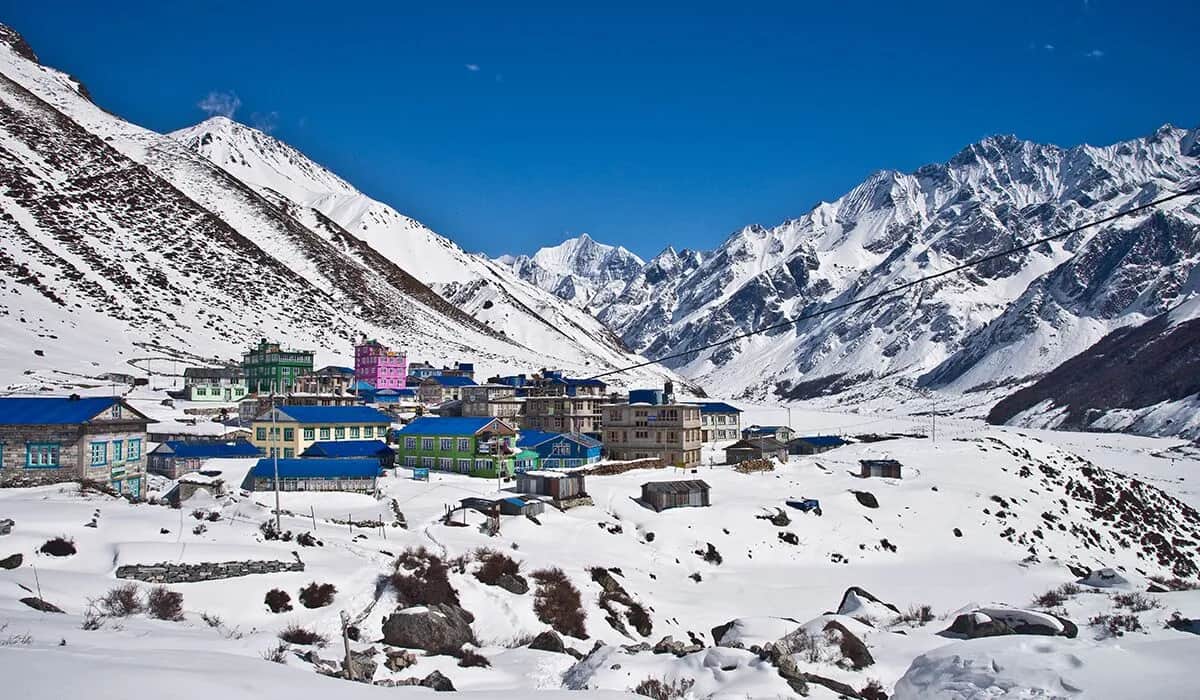
- Winter (December-February): Challenging with snow and ice.
- Monsoon (June-August): Not ideal due to heavy rains, landslides, slippery paths.
- Spring (March-May): Rhododendrons bloom, warm sunny days.
- Autumn (September-November): Stable weather, clear mountain views (most preferred).
- Winter (December-February): Challenging with snow and ice.
- Monsoon (June-August): Not ideal due to heavy rains, landslides, slippery paths.
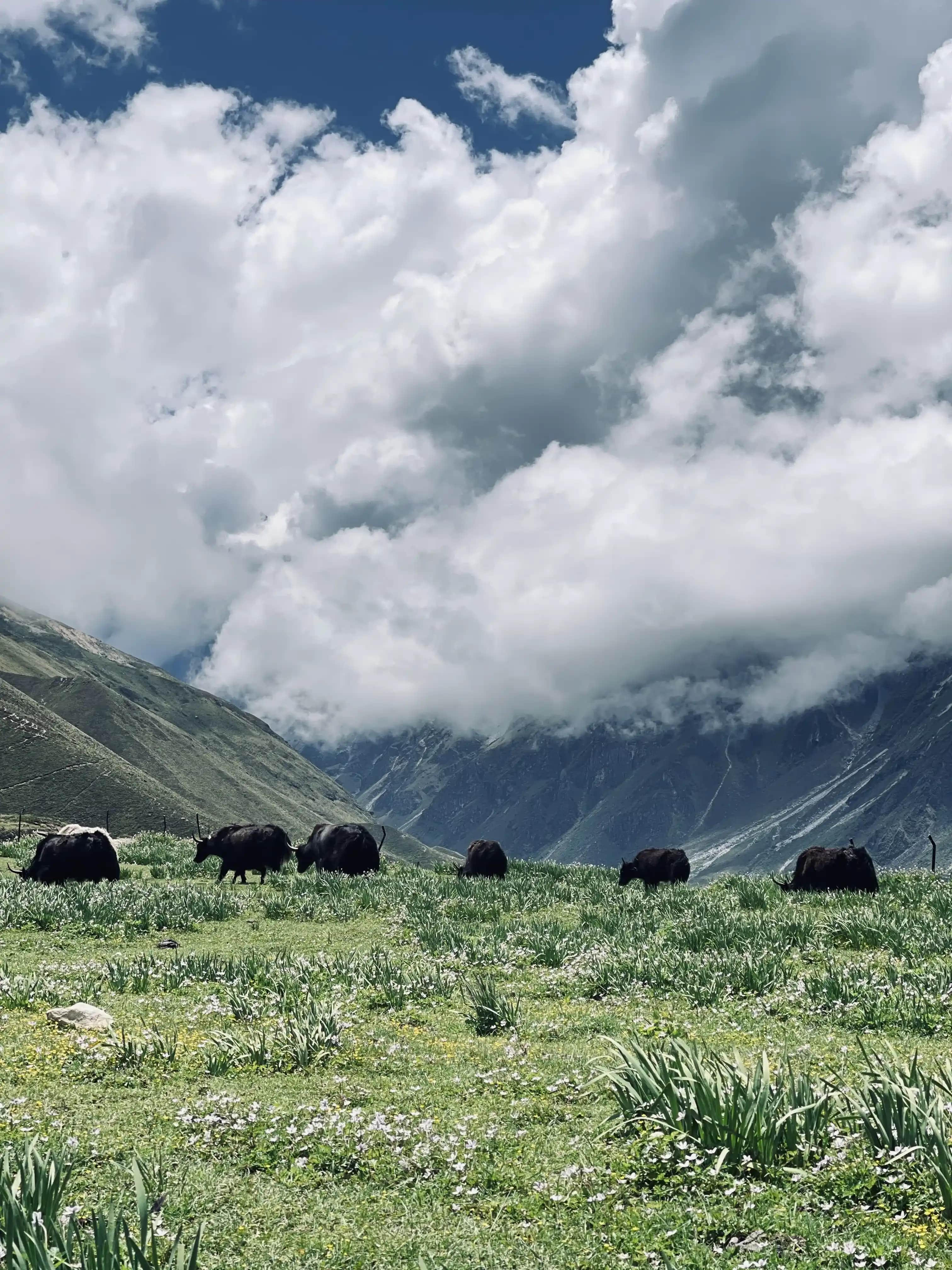
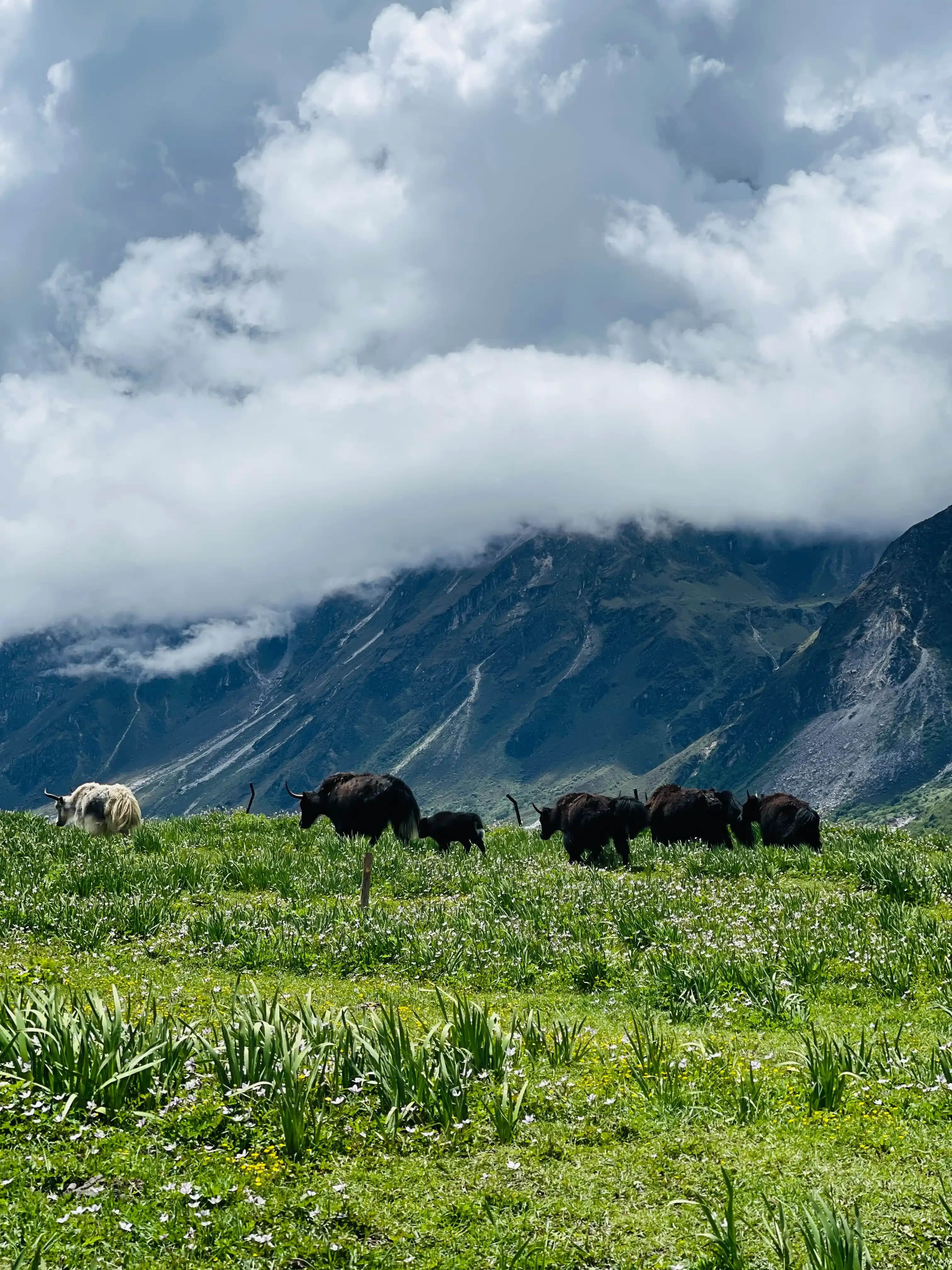
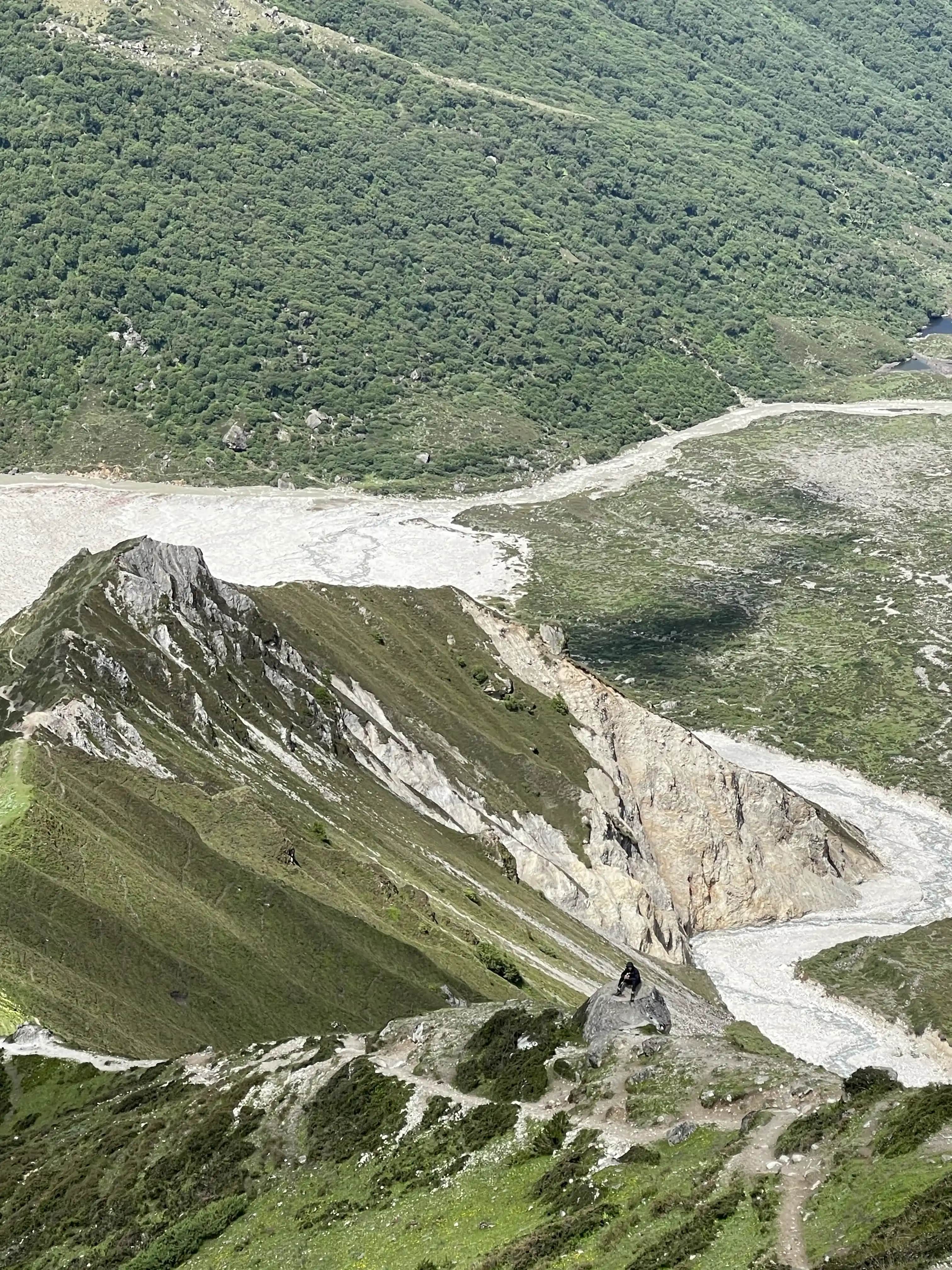
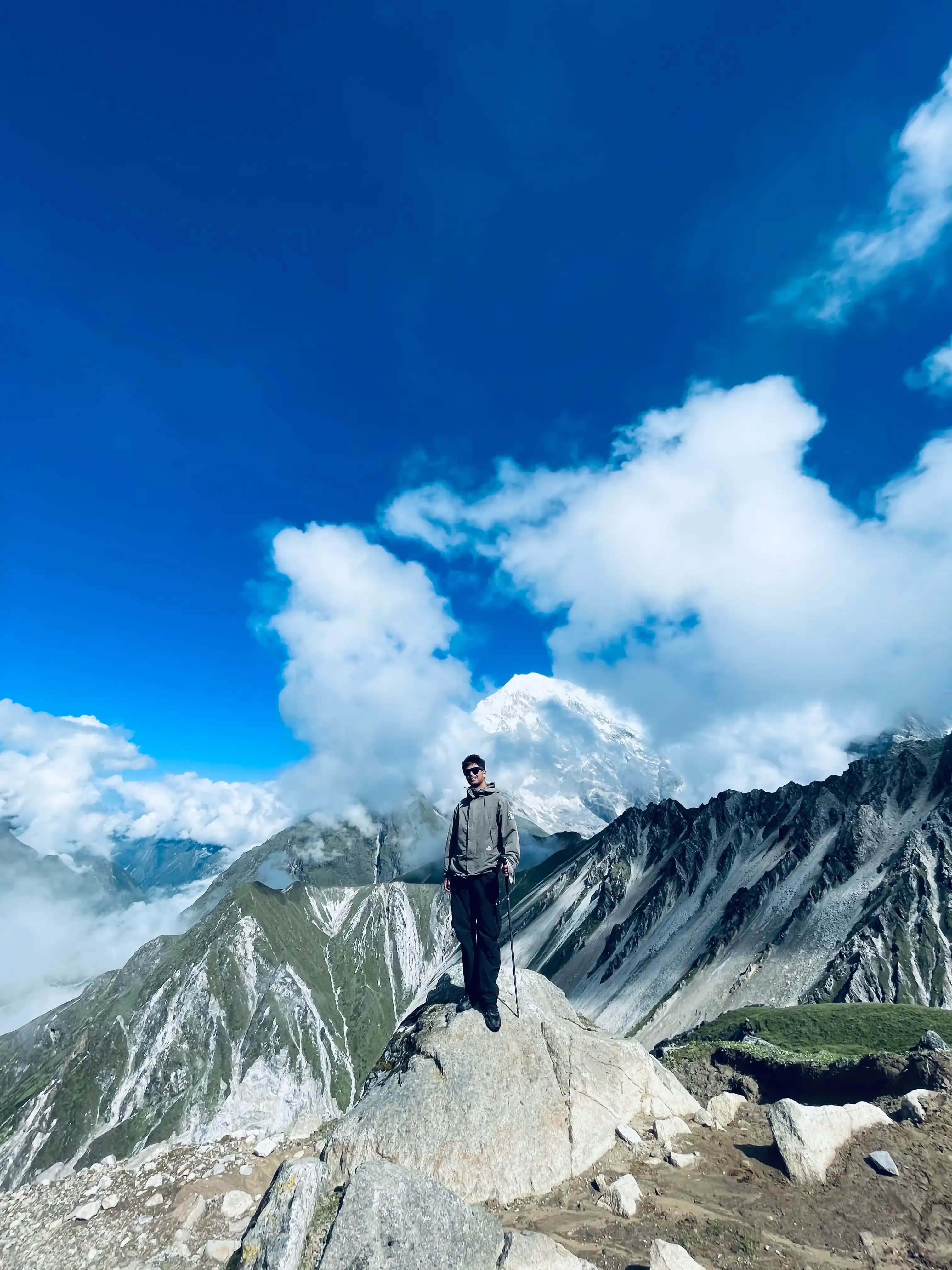
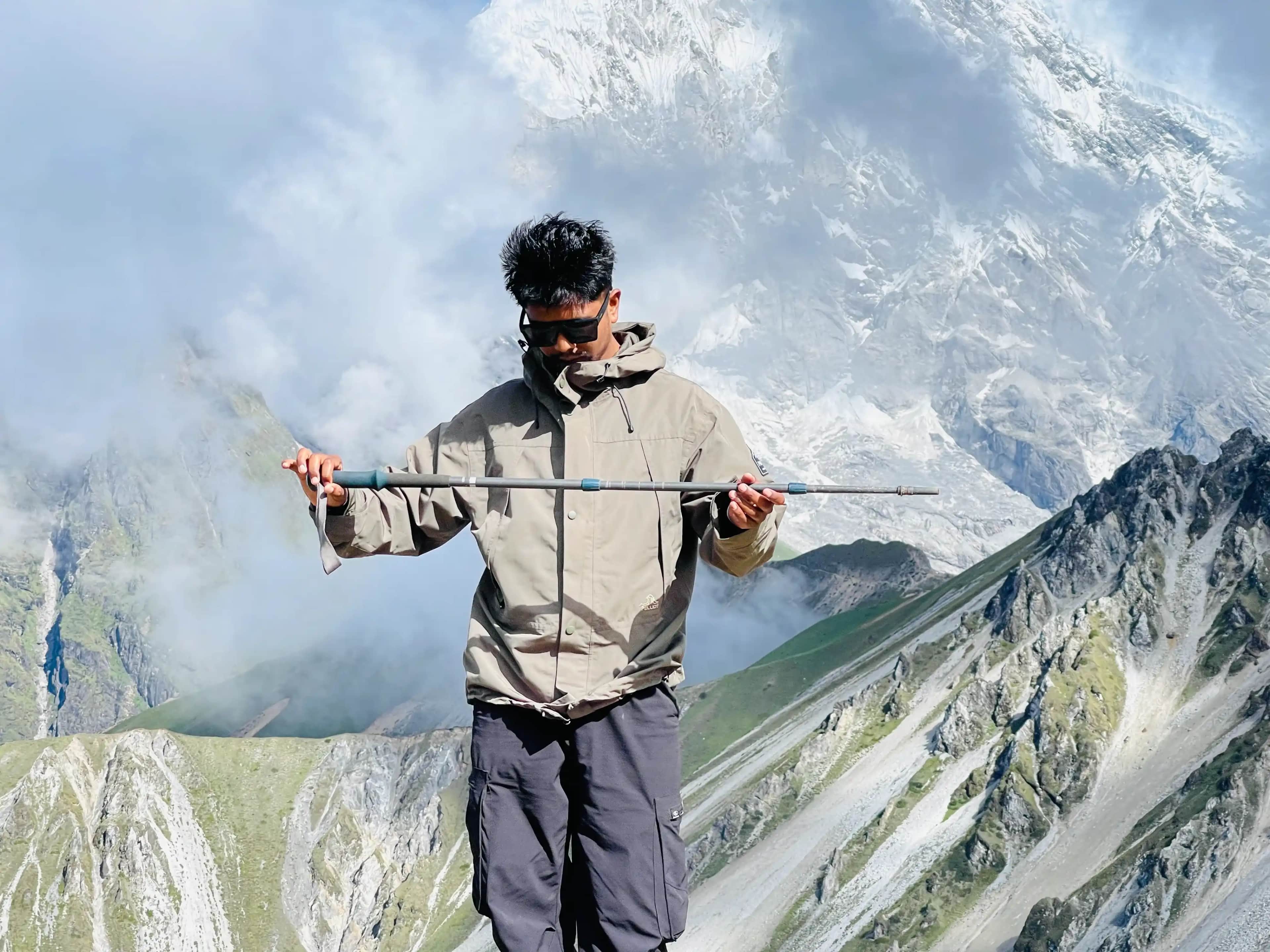
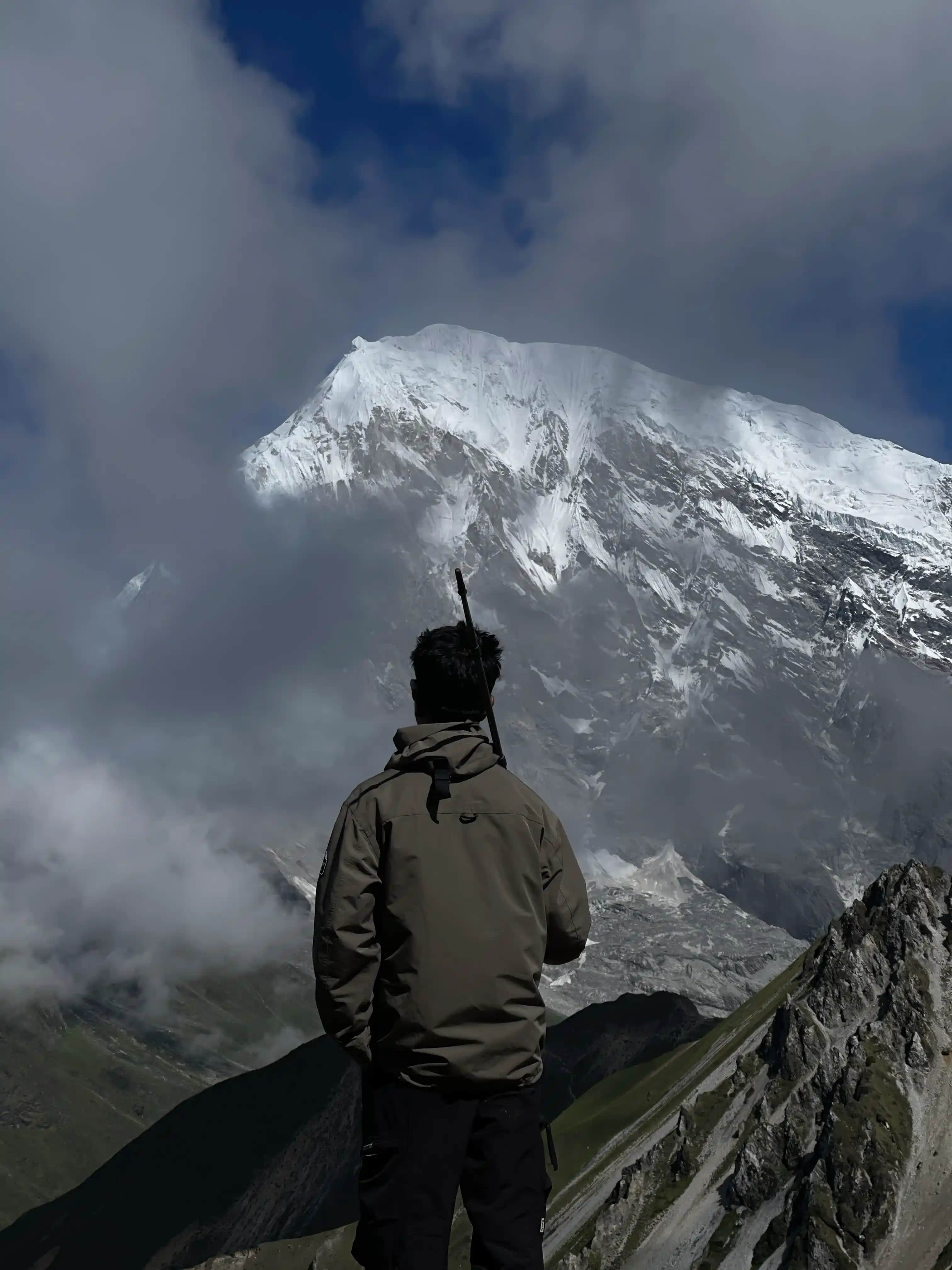
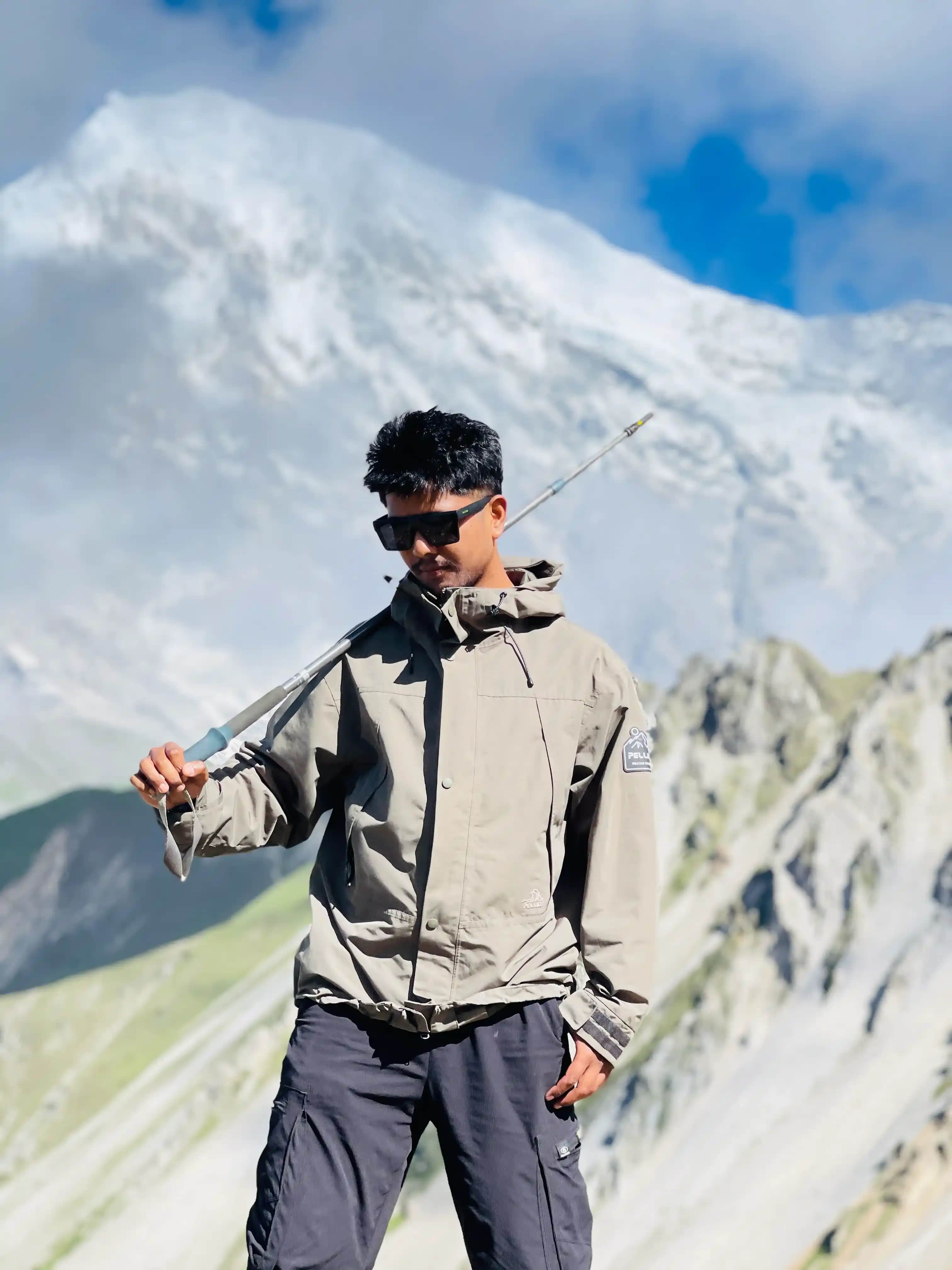
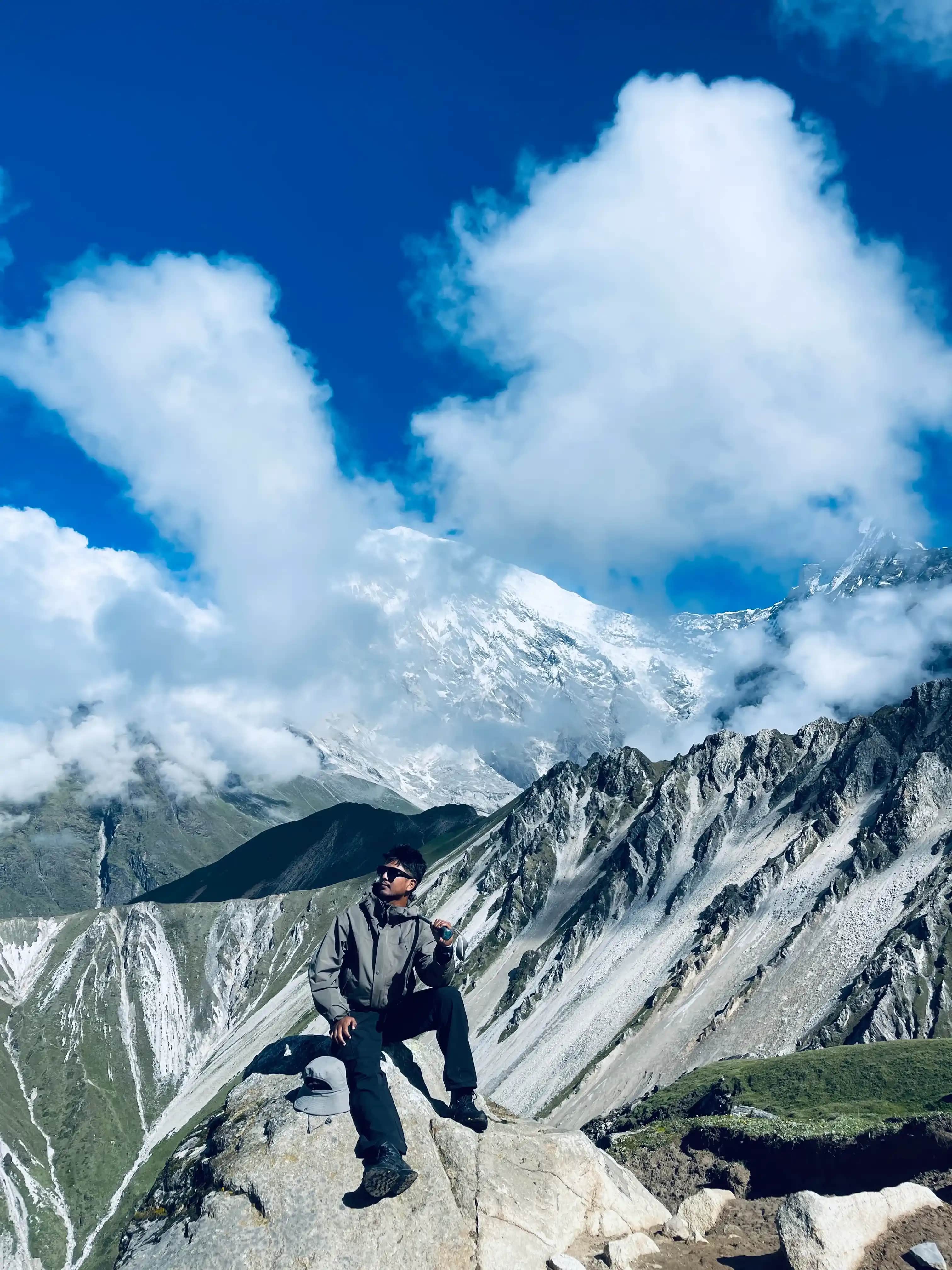
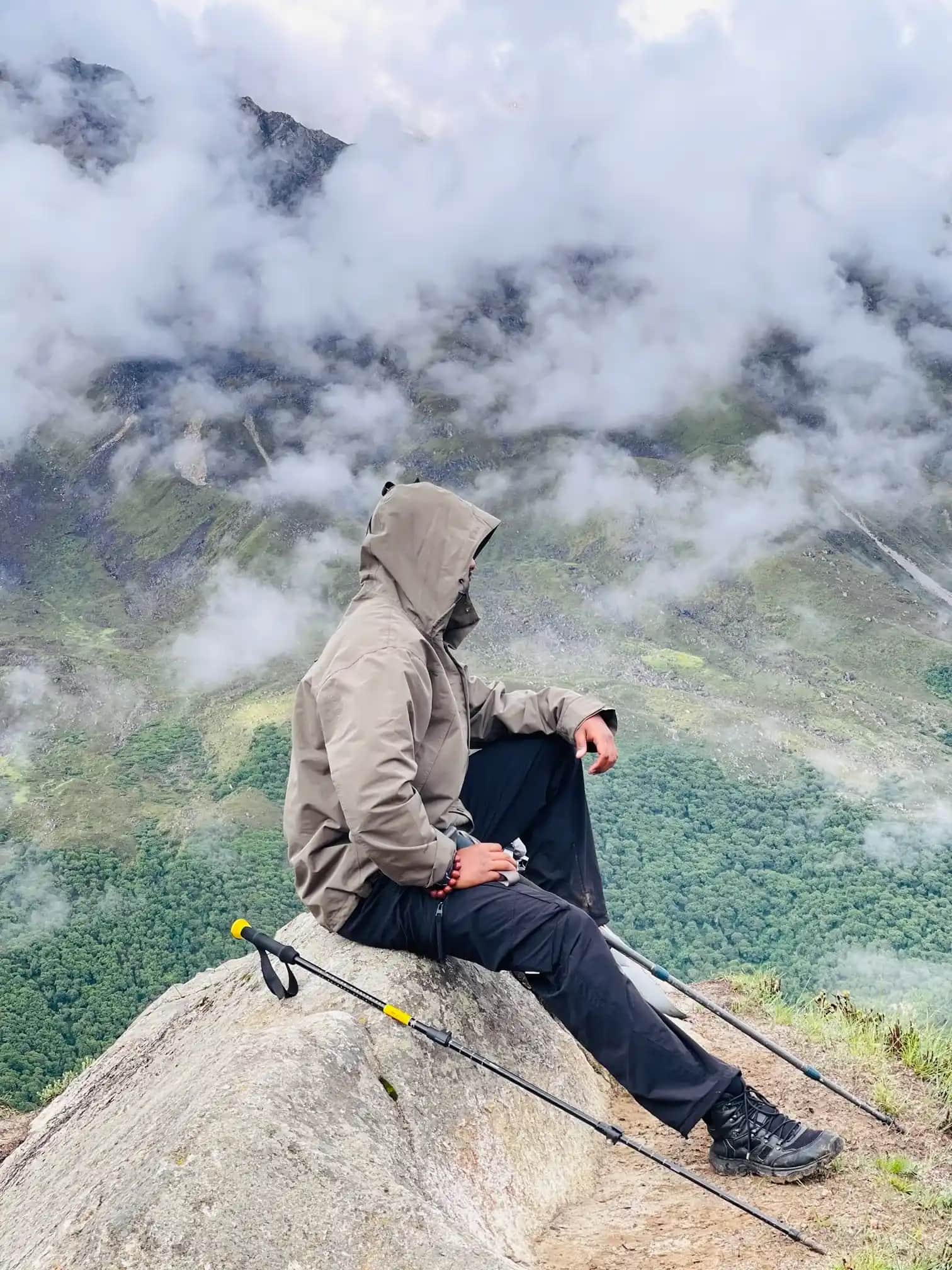
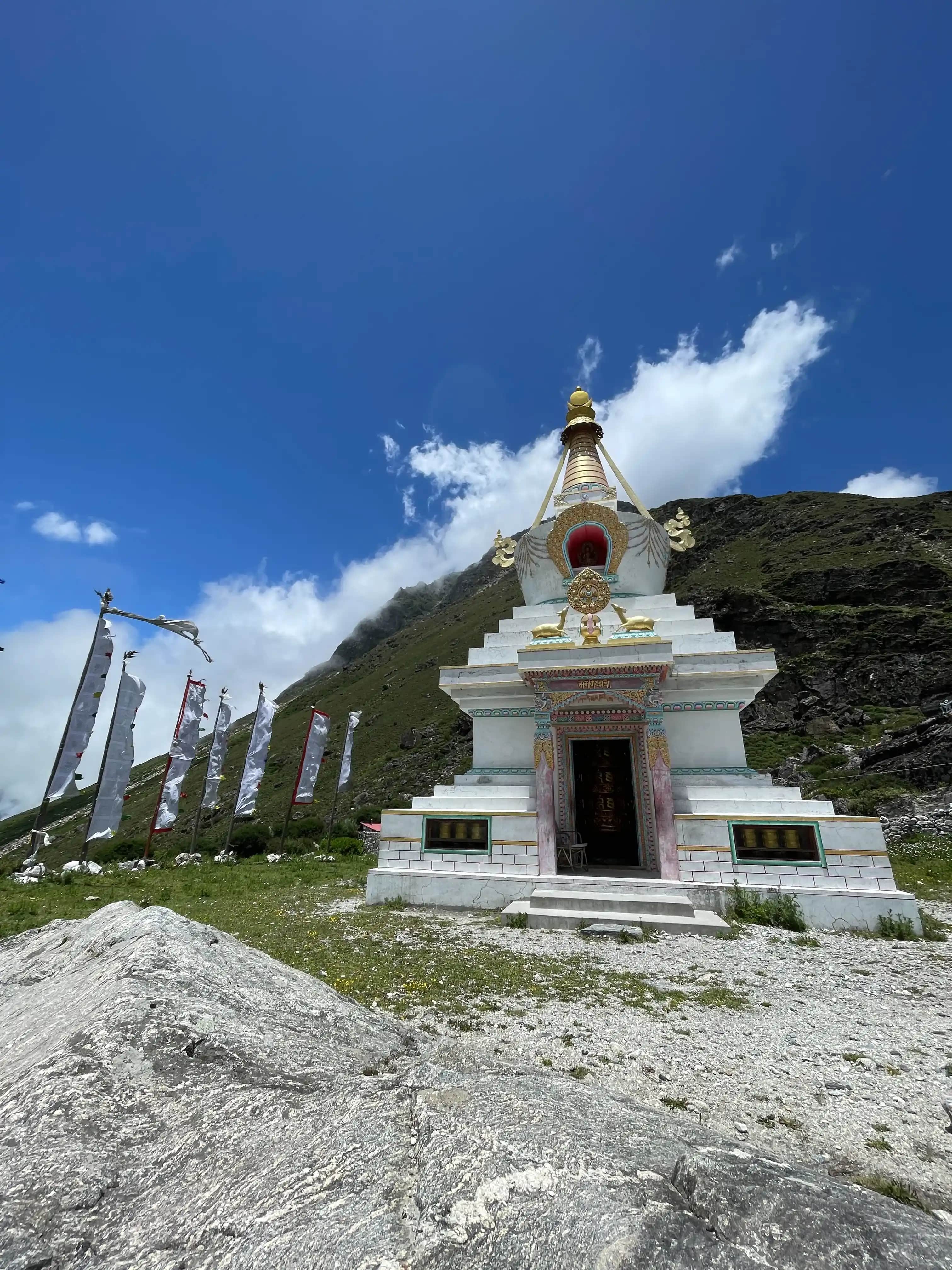
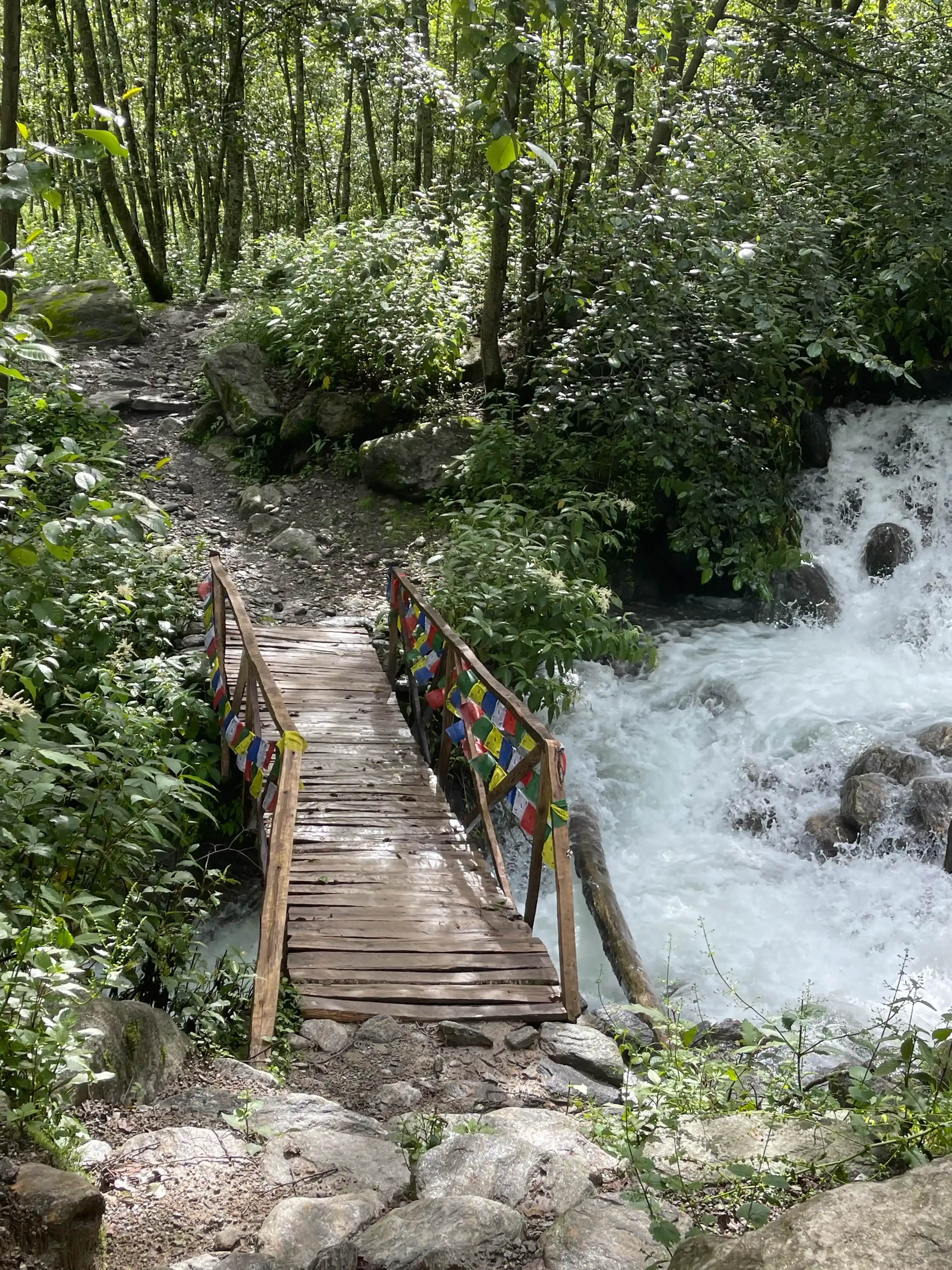
Langtang Trek suits trekkers wanting cultural exposure combined with moderate Himalayan trekking. It is less crowded than Everest or Annapurna, offering an intimate experience of pristine valleys, Tamang communities, and scenic landscapes. Trekkers must be prepared for variable weather, forest trails, and moderate altitude up to 4,984 m at Kyanjin Ri.
Permits
- Langtang National Park Permit (LNP): Required to enter the region; obtainable in Kathmandu or at Syabrubesi.
- Trekkers’ Information Management System (TIMS) Card: Needed for independent trekking in Nepal; obtained in Kathmandu or Pokhara.
Difficulty
Rated moderate, suitable for those with fair fitness and prior hiking experience. Average daily walking time is 5-7 hours, with steep ascents, irregular terrain, and river crossings. Acclimatization is important to avoid altitude sickness. Trekking poles and sturdy footwear are recommended.
Travel Insurance
Recommended to cover:
- Hospitalization and medical emergencies
- High altitude helicopter evacuation
- Flight cancellations/delays
- Lost or delayed luggage
Costs range USD 90-140 depending on duration.
Physical Fitness
Trek is moderately difficult; suitable for those who can jog 5 km in 30-35 minutes or cycle 15 km in 45 minutes. Cardiovascular and leg/core strength training 2-3 weeks before trekking is advised.
Accommodation
Tea houses along the trail provide lodging. Lower altitudes feature amenities like electricity, Wi-Fi, hot showers; higher altitudes offer simpler lodges with squat toilets. Wi-Fi and hot showers usually cost extra. Sleeping bags rated to -20°C are provided.
Meals During the Trek
Traditional Nepali meals include Dal Bhat (unlimited refills), fried rice, noodles, momos, and thukpa soup. Western meals like pasta, pizza, and burgers are also available. Breakfast offers Tibetan bread, chapatti, eggs, porridge, muesli, and pancakes. Vegetarian, vegan, and special diets can be accommodated. Packages include dinner in Kathmandu and three meals per day on the trek, plus tea or coffee.
Transportation
Included in trekking packages. Options from Kathmandu to Pokhara or trek starting points include bus, microvan, tourist bus, private vehicle, or flight (approx. USD 105). Local buses are immersive but slow and crowded; private vehicles offer flexibility.
Charging, Connectivity and Internet
Most tea houses provide electricity or solar power for charging; power banks recommended. Cell coverage from NCELL or Nepal Telecom is common. Wi-Fi available in many lodges (USD 2-3/night), but connection can be unreliable.
Porters
Hiring a porter is optional but recommended to carry up to 20 kg, allowing trekkers to travel light. Guides can arrange porter services.
Nepali Currency Payments
Nepalese Rupee (NPR) is the official currency. USD, AUD, GBP, CAD, SGD, and Euros are exchangeable in Kathmandu or Pokhara. Major hotels and shops accept credit/debit cards (3.5% surcharge). ATMs available mostly in Thamel, daily withdrawal limits Rs 10,000 to Rs 35,000.
Trekking Gear
Clothing
- Raincoat/poncho or jacket/trousers combo
- Down jacket / Gore-Tex jacket
- Hiking pants (2 pairs)
- Shorts (2 pcs)
- T-shirts (4-5)
- Mid-layer fleece jacket
- Thermal base layers (1-2 sets)
- Gloves (light fleece and waterproof)
- Underwear
Footwear
- Water-resistant, ankle support trekking boots
- Sandals or sneakers for camp/off-time
Accessories & Equipment
- Sunglasses
- Lip balm and sunscreen
- Sun hat and warm hats (woolen/beanie/fleece)
- Neck gaiter
- First aid kit
- Swiss army knife (optional)
- Luggage cover
- Headlamp
- Trekking poles
- Gaiters (optional)
- Micro crampons (optional)
- Water purification tablets or Steripen
- Spare batteries and travel adapter
- Power bank
- Water bottles/camelbak/thermos
- Multipurpose soap/shampoo
- Small towel, antiseptic wash
- Hygiene products and wet wipes
- Mosquito spray (optional)
- Whistle & earplugs
- Books, cards, chess
Sleeping Gear
- Sleeping bag (-15/-20°C rating)
- Sleeping bag liner (cotton, silk, or fleece)
Bags & Packs
- Backpack (60 liters)
- Daypack (25-30 liters)
Give us a review
Pricing
Number of people
Price per person