



Destination
Nepal Tour
Duration
8 days and 7 nights
Difficulty
Moderate
Max. Elevation
N/A
Group Size
Max. 12 pax
Accommodation
Standard Options
Vehicles
N/A
Food
Only includes meals, No bed: No meals included
This 8-day trip of combining culture, adventure, and spectacular natural views will bring you to experience Nepal in luxury like never before. This is an exclusive tour in the Kathmandu valley, a remote setting of Pokhara with its lakes and sceneries, and the peaceful Himalayan foothill villages of Dhampus and Sarangkot. UNESCO World Heritage Sites and sunrise over the Annapurna range are among other daily experiences in comfort and style.
This is a smooth sail and unforgettable adventure given the fact that the travelers experience luxurious accommodations, their own transportation and personalized guidance. Visit the ancient and spiritual places of Kathmandu, experience the marvel of Pokhara and hike the pristine landscape at ease with luxury facilities and local delicacies.
This tour is an exploration and relaxation one. Activities such as the Everest scenic flight, guided city tours, trekking in the Annapurna foothills and cultural activities such as traditional farewell dinners are available to the guests. Each of the moments is thoroughly selected in order to make the Nepali experience memorable, comfortable, and immersive.
- Kathmandu Cultural Tour: Visit Boudhanath Stupa and Patan Durbar Square, the UNESCO World Heritage Sites of Kathmandu Valley.
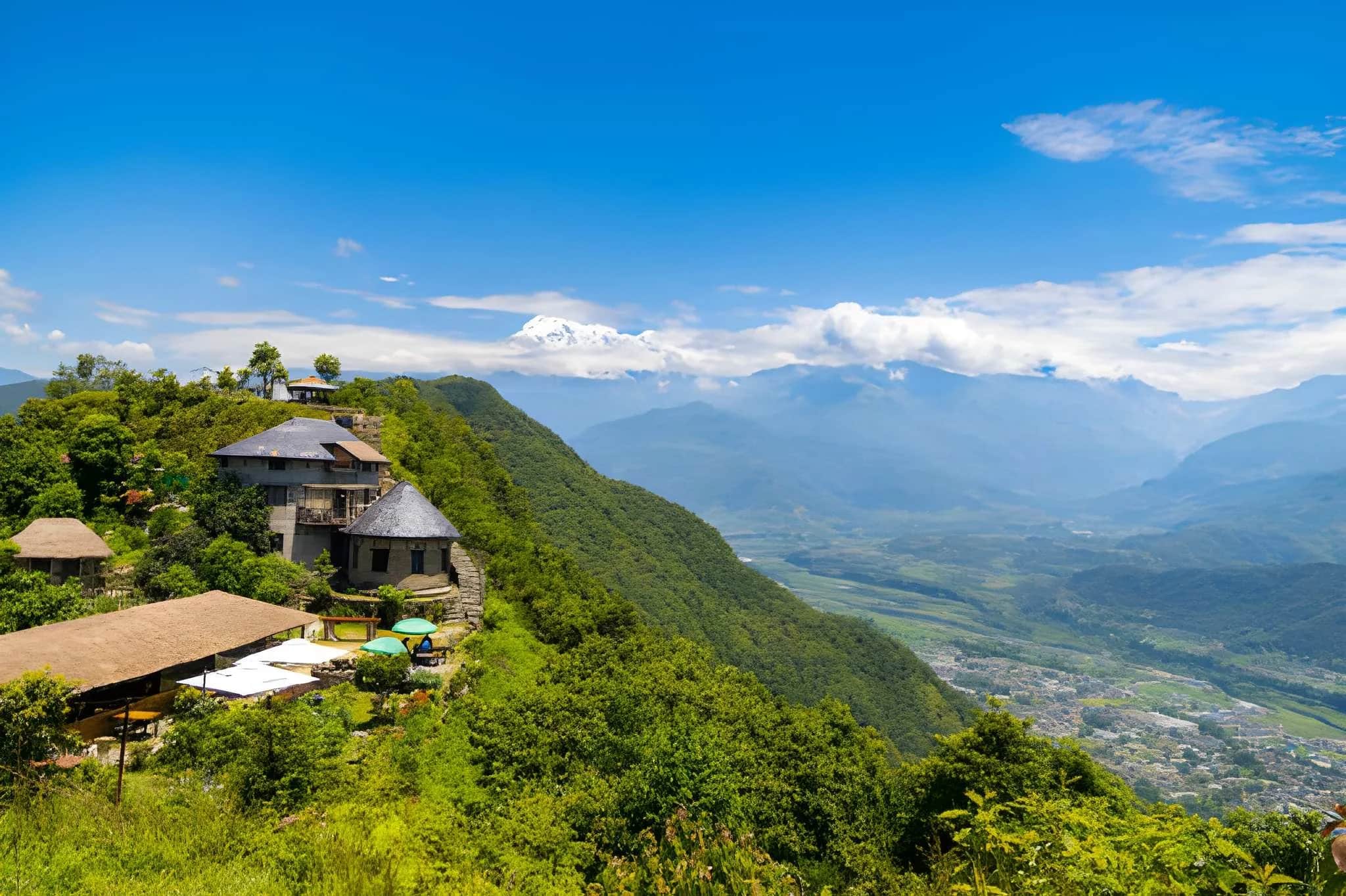
- Dhampas and Sarangkot Trek: Wander across scenic routes alongside majestic fundamentals of the Annapurna and Dhaulagiri ranges.
- Everest Scenic Flight (Optional): Have an aerial view of Mount Everest and the Himalayas in all its splendor.
- Luxury Accommodations: Accommodate in high-end hotels and lodges that have modern facilities in Kathmandu and Pokhara.
- Personal transportation: industry: Relaxing commuting in private cars.
- Sarangkot Sunrise: See a beautiful sunrise in the Himalayan mountains across the Annapurna range.
- Pokhara Sightseeing: See Gupteshwor Cave, Davis Falls, and Phewa Lake in the nature of the peaceful landscapes.
- Farewell Dinner and Cultural Show: Have a taste of traditional Nepali food and watch a traditional Nepali cultural dance performance.
- Professional Guides and Assistance: Go on a guide and porter-led expedition that is fast, smooth and safe.
The trip starts in the city, Kathmandu, the capital, which is full of life, and the sightseeing stops in UNESCO World Heritage Sites such as Boudhanath Stupa, Pashupatinath Temple and Patan Durbar Square. To have a spectacular view, an optional Everest scenic flight allows them to have a view of Mount Everest as well as the nearby mountains. It is just a short domestic flight, starting at Kathmandu and ending up at Pokhara, the entry point to the Annapurna region and its calm lakes and mountainous scenery.
The adventure is followed by a scenic drive to Phedi, which is the starting point of your trek in Pokhara. The trail climbs over terraced plots, dense woodland and traditional villages to the picturesque Gurung village. The journey then takes one to Sarangkot, where there is a good view of the sunrise in the Annapurna and Dhaulagiri ranges. Trekking is followed by sightseeing in Pokhara, after which the travelers fly back to Kathmandu to have a last dinner, and that completes the whole immersive Nepal experience.
- Day01Day 1: Arrival in Kathmandu
Land at Tribhuvan International Airport, do visa formalities and be received by the Himalayan Vibe team. Check into your hotel and have time to relax. Complete an evening pre-trip briefing with the guides discussing the itinerary, safety guidelines and cultural expectations. Evening free to roam or relax.
- Day02Day 2: Kathmandu Sightseeing and optional Everest flight.
Start with a scenic flight of Everest in the morning, which is optional. Following breakfast, have yourself taken to a tour of Kathmandu with its major sights: Swayambhunath Stupa, Patan Durbar Square, Pashupatinath Temple and Boudhanath Stupa. Go back to the hotel to have some rest, or go out and do some shopping and sightseeing.
- Day03Day 1
Board the scenic 25-minute flight to Pokhara, where one can view the Himalayan scenery as well. Check in at your hotel and enjoy the Lakeside area in your free time. Some of the optional tours are Davis Falls, Gupteshwor Cave and the Peace Pagoda. Afternoons and evenings with free time or watching the sunset at Phewa Lake.
- Day04Day 4: Trekking between Phedi and Dhampus (1,750m)
Take a drive to Phedi, and begin the trekking in the terraced fields, forests as well and villages. Check in at a luxury lodge in Reach Dhampus. Sightseeing: If you want to see the Himalayas and the local food, enjoy a view of the panoramic mountains, local cuisine and a sunset over the Himalayas.
- Day05Day 5: Dhampus to Sarangkot (1,600m) trek.
Drive across green scenery, forests and farmlands to Sarangkot. Enter a lodge that overlooks the mountains. Use the evening to see around the vicinity and have an amazing view of the sunset over Annapurna and Dhaulagiri.
- Day06Day 6: Sarangkot and Pokhara- Sightseeing.
Rise early in the morning and have a magnificent sunrise view over the Himalayas. In the morning, have breakfast, drive to Pokhara and take a sightseeing tour of Davis falls, Gupteshwor Mahadev Cave, and have a boat ride on the Phewa Lake and visit Tal Barahi Temple. Evening free in Lakeside.
- Day07Day 7: Fly back to Kathmandu and goodbye dinner.
Make a short journey back to Kathmandu. Afternoon free shopping or sightseeing in the city. Then, in the evening, have a classic farewell dinner with cultural dancing to farewell your trip.
- Day08Day 8: Departure
Breakfast and thereafter transfer to Tribhuvan International Airport and depart. Take with them unforgettable memories of the Nepalese culture, the country and its hospitality.
- Private airport transfers and luxury ground transportation
- 4–5 star hotel stays in Kathmandu and Pokhara
- Premium lodge accommodation during the trek
- Guided Dhampus & Sarangkot trekking experience with an expert guide
- Sunrise tour from Sarangkot viewpoint
- All meals during the trek and daily breakfast in hotels
- Trekking permits, national park fees, and government taxes
- First-aid support and full trip assistance
- International airfare and Nepal visa fees
- Personal expenses and extra beverages
- Travel insurance (recommended)
- Tips for guide and staff
- Optional activities not mentioned in the itinerary
The climate in Nepal depends on the time of the year and the area. The most appropriate seasons to visit include spring (March-May) and autumn (September-November), which are associated with clear skies and moderate temperatures. Summer (June -August) is hotter with monsoon showers, and the winters (December -February) can be cold, particularly at the higher altitudes. Do check forecasts before you go and pack to suit so that you will be comfortable during the journey.
Spring and autumn are the most appropriate seasons of the year to go trekking and sightseeing. Summer is monsoon, which is rainy, and in winter, the weather is cold at the higher elevations. Prepare ahead of time and ensure that you pack before traveling.
The climate in Nepal depends on the time of the year and the area. The most appropriate seasons to visit include spring (March-May) and autumn (September-November), which are associated with clear skies and moderate temperatures. Summer (June -August) is hotter with monsoon showers, and the winters (December -February) can be cold, particularly at the higher altitudes. Do check forecasts before you go and pack to suit so that you will be comfortable during the journey.
Spring and autumn are the most appropriate seasons of the year to go trekking and sightseeing. Summer is monsoon, which is rainy, and in winter, the weather is cold at the higher elevations. Prepare ahead of time and ensure that you pack before traveling.
These are the important things that one should know to prepare himself/herself to go to Nepal and experience it in a comfortable and confident way. Visas, packing, travel insurance, fitness, weather, cultural, tipping, safety, currency, communication, transportation, electricity, festivals, food, and responsible traveling are areas that are discussed here to make the adventure smooth and memorable.
Nepal Visa Information
Visitors to Nepal can get a visa at Kathmandu airport, Tribhuvan International Airport. A valid passport of a minimum period of six months with passport-size photographs is mandatory. Prices differ according to the length of stay: USD 30 (15 days), USD 50 (30 days) and USD 125 (90 days). Travelers can also apply using the Department of Immigration website, and this is convenient since it speeds up the processing. Alternatively, before arrival, visas may be acquired in Nepalese embassies.
Packing Essentials
Layers of the pack to suit the different climates and altitudes in Nepal. Among the things that are essential are durable trekking shoes, moisture-wicking garments, a jacket for cold weather, sunglasses, sunscreen, a top hat, a rain jacket, moisture-wicking clothes, and other comfortable items to be worn during the tours of the city. Mobile first-aid kit, water, daypack, and personal medication. Although the basic facilities are ensured in the luxury accommodations, it will be a prudent move to carry along personal facilities to make life easy.
Travel Insurance
It must also have comprehensive travel insurance that includes the cancellation of trips, medical emergency, evacuation, as well as repatriation. Make sure that your policy covers high-altitude trekking in case you intend to do trekking. To prevent any inconvenience in the event of any unforeseen happenings, keep a copy of your insurance policy and emergency contacts.
Health and Physical Fitness
There should be moderation in physical fitness, more so when trekking. Long walks and changes in altitude can be controlled with the help of regular exercise, such as cardio and endurance training. Remember to keep hydrated, take breaks to acclimatize, travel with protection against the sun and carry any medicines you need. Ask your medical practitioner in case you already have pre-existing conditions.
Cultural Considerations
Adhere to the local traditions to experience a good trip. Wear simple clothes, particularly in religious places, it is advisable to cover shoulders and wear no shorts. Take off the shoes when visiting temples or other intimate homes, shake hands with the locals by saying Namaste, and seek permission before taking photos of others. Do not touch things of a sacred nature with your feet and adhere to the etiquette of the place.
Tipping Guidelines
It is customary in Nepal and is appreciated by the guides, porters, and hotel employees. The suggested amounts are: $510 per day on guides and porters, 10% in restaurants where no service charge is added, and tokens of appreciation to housekeeping or bell service. Change inclination based on the quality of services and the length of the trip.
Safety & Security
Nepal is not a very dangerous country, but it is necessary to be careful. Carry only what is necessary, pay attention to the instructions of guides when going on a trek, and do not go to remote places alone at night. Valuables should be stored using hotel safes, and copies of the relevant important documents should be kept in different places. Contact local authorities in case of an emergency or your tour provider.
Currency and Money Matters
The currency used is Nepalese Rupee (NPR). ATMs are available in major cities, and international cards are accepted; however, cash should be carried when making small purchases in rural areas. Exchanging currencies can be done in the airports, banks and tourist destinations. The small denominations are to be kept as tips and for local shopping.
Language and Communication
The official language is Nepali, although English is very commonly spoken in hotels and tourist destinations. It is also welcome to learn some basic expressions such as Namaste (hello) and Dhanyabad (thank you). Most of the towns have Wi-Fi, but in remote locations, the speed might not be high. It has local SIM cards and data plans that can be used to communicate.
Transportation
Airport transfer, sightseeing and intercity travel are done by means of luxury private vehicles. The Domestic flights are particularly time-saving, especially between Kathmandu and Pokhara, as they offer scenic views. Taxi and rickshaws may be found in towns, but it is always better to confirm the prices. This is because road conditions are not as good in rural places, and therefore allow more time to travel.
Electricity and Charging
The supply voltage of Nepal is 230 V, 50Hz, with Type C, Type D and Type M. Universal adapters are advisable, and power banks in hand are useful in areas that have no power that can be disrupted. When there is electricity, charge the devices instead of getting inconvenienced.
Carnivals and Public Holidays.
Nepal has its traditional festivals such as Dashain, Tihar and Holi, which demonstrate the local culture and traditions. The dates of the festivals change every year depending on the lunar calendar. Public holidays can also interfere with transport, business hours, and services for tourists; therefore, take care of it.
Food and Dining
The Nepalese food consists of dal bhat (lentils with rice), momos (dumplings), and gundruk (fermented leafy greens). The international food is served in Kathmandu and Pokhara. Street food is to be taken sparingly, and there is a need to drink bottled water or filtered water. Restaurants have a culture of tipping, which is normally 10 percent when no service charge is charged.
Weather-Related Changes and cancellations.
The weather in the mountains may have an influence on flights and climbing programs. Their priority is on safety, and Himalayan Vibe are helping in rebooking or alternative booking. Delays or cancellations need to be covered by travel insurance, and the traveler must remain open to such practices.
Green Tourism and Social Responsibility.
Reduce human impact, especially on plastics and adhere to the principle of leaving no trace when trekking. Promote the local communities through the consumption of local services and goods. Admire flora, fauna and cultural sites and maintain the natural and cultural heritage of Nepal.
Internet and Connectivity
Most of the hotels, cafes, and restaurants in major cities provide Wi-Fi. Rural locations might be restricted or have limited internet. To get a credible connection, buy a local data plan SIM card on either Ncell or Nepal Telecom.
Shopping and Souvenirs
Nepal has such handicrafts as pashmina scarves, Thangka paintings, singing bowls, and jewelry. It is normal to bargain in the market, but do it in a respectable way. Make sure that you adhere to the laws of exporting antiques and that you do not deal with products manufactured out of endangered substances.
Emergency Contacts and Assistance.
To call the police in case of an emergency, call 100; to call a medical/ambulance, call 102. Have contacts of your hotel, tour provider, insurance hotline and local embassy.
Smoking and Alcohol Consumption.
In the open place, smoking is limited. There is alcohol in restaurants and hotels, but one has to drink in moderation, particularly at high altitude. Always obey local regulations and rules.
Photography Etiquette
Never take a photograph without seeking the consent of people, particularly in rural or religious areas. Make respect signals and local regulations in temples or places of worship.
Local Mannerisms and Greetings.
Greet someone with respectful Nagamaste, and do not point using fingers and do not remove hats in places of worship. Adhere to local practices in order to enrich experiences in culture.
Give us a review
Pricing
Number of people
Price per person