




Destination
Nepal Tour
Duration
3 days and 2 nights
Difficulty
Moderate
Max. Elevation
N/A
Group Size
N/A
Accommodation
Standard Options
Vehicles
N/A
Food
Only includes meals, No bed: No meals included
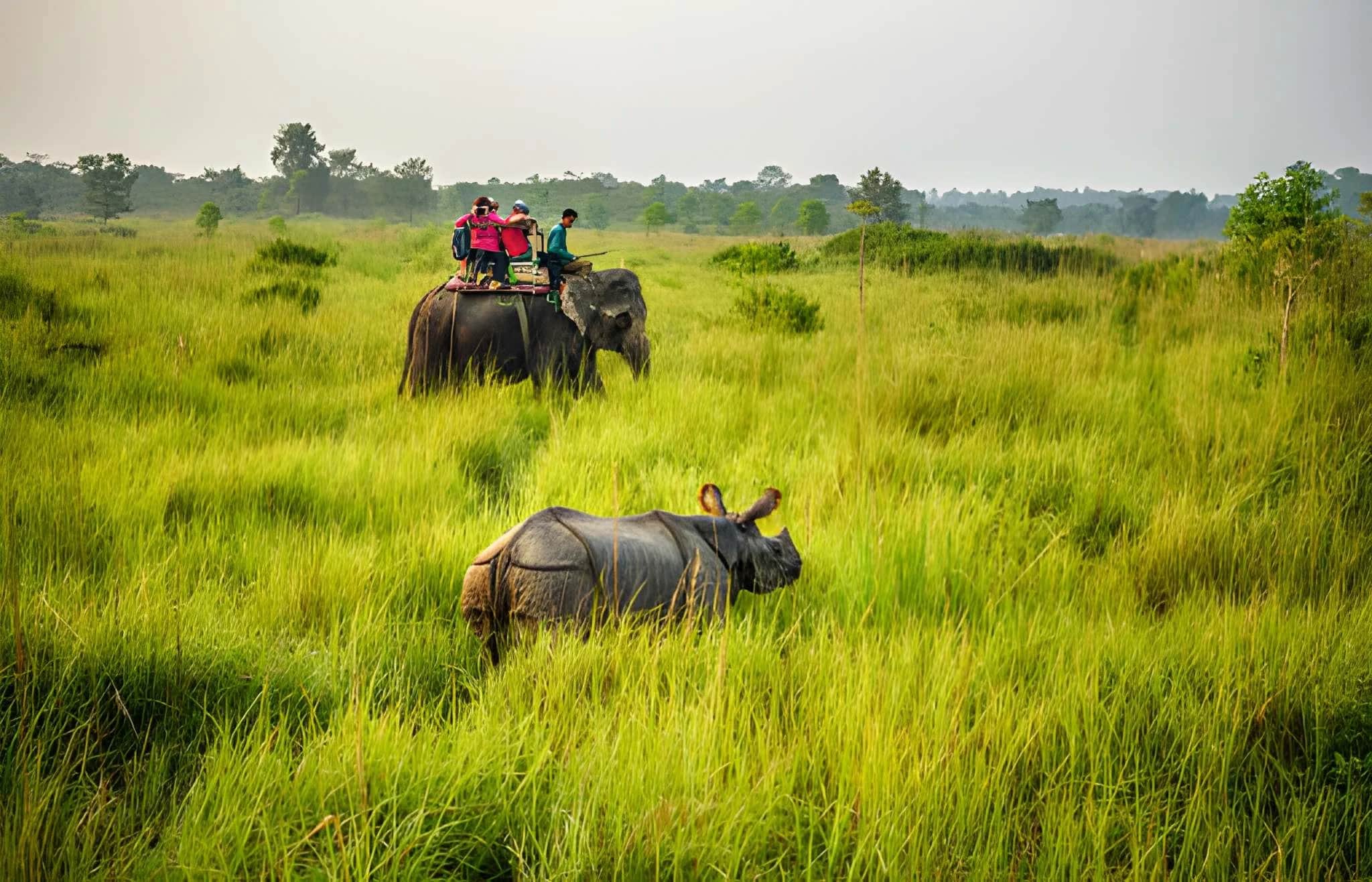
Take a memorable 3-day adventure to Chitwan National Park, a UNESCO World Heritage site which is located in the Terai region of Nepal. The safari is the best combination of wilderness, cultural experience, and a natural environment. Tourists will also get an opportunity to see the endangered species, like the one-horned rhinoceros, Bengal Tiger, wild elephants, and more than 500 bird species. Jeeper and elephant tours, guided jungle walks, and nature walks in the early morning to watch the birds will be a spellbinding wildlife experience that any nature lover and families interested in having an adventure of a lifetime should experience.
Other than wildlife, the striking culture of the indigenous Tharu community is also featured in the safari. The visitors are able to be taken on guided tours around the village and be part of the traditional Tharu dance performances; this gives the visitor a vivid cultural outlook, besides the natural beauty of the park. Travelers and tourists can use the canoe services offered at the Rapti River to look at aquatic animals, such as gharials and marsh muggers, and have a tranquil and, at the same time, exhilarating experience with nature. We have adventure, relaxation and learning every single day, thus it is a complete and rich experience.
In order to have a luxurious and comfortable stay, there is a variety of accommodations that can be offered, such as standard lodges, which are comfortable and offer a luxurious stay, to upscale resorts that provide modern facilities and picturesque views. A whole board meal consisting of Nepali as well as international food is also served, giving a chance to the tourist to taste the flavor of the land, along with enjoying the natural scenery.
By having the services of an expert guide, hassle-free transportation and a well-planned itinerary, this safari will be able to provide the adventure as well as comfort needed in a person, and this is the ideal short getaway into the core of Nepal wildlife and their culture.
- Exciting Jeep and Elephant Safari- See one-horned rhinoceros, Bengal tigers, elephants and other wildlife in their natural environment.
- Canoeing Along the Rapti River- Take calm river rides and see gharials, marsh muggers and various species of birds.
- Early Morning Bird-Watching -Guided tours to view the rare and migratory birds in the serene jungle.
- Tharu Cultural Immersion Save on a traditional village tour and participate in exhilarating dance shows.
- Tour to Elephant Breeding Center 00:30:00-00:50 (visit) Learn about conservation and visit baby elephants.
- High-end Accommodation Choice - Accommodation in either standard lodges or high-end resorts in modern facilities.
- Full-Board Meals with Scenic Views - Savor Nepali and international meals together with scenic sceneries.
- Stunning Sunrises and Sunsets- experience magnificent scenes of the Terai plains.
- Jungle Walks with a Guide- Walk in the wilderness and discover the beauty of the Chitwan surroundings.
- Smooth Transfers and Itinerary- Stress-free traveling with scheduled pickups, drop-offs and day-to-day schedule.
This discovery starts with a scenic trip from Kathmandu to Chitwan National Park covering about 175 kilometers along the scenic Prithvi Highway. As they move between Kathmandu, with its cooler climate and its busy streets, to the warmer and subtropical plains of Chitwan, travelers will have to pass by rolling hills, terraced farmlands, and meandering rivers. The journey is estimated to be 56 hours, and guests get to visit the beautiful scenery on their way, accompanied by easy access to refreshments and meals in between. Once there, the traveler is welcomed by the green Terai environment and is plunked into the hotel of their choice, where there is a briefing that gives them an intro to the stimulating activities that will take place during the trip.
In Chitwan, everything is contained in the park and the surrounding thus reducing the distances covered and maximizing the time spent in the travels. The park provides a small but all-encompassing adventure, whether it is a canoe ride along the Rapti River, a jeep and elephant safari or a cultural experience in the Tharu village.
The same scenic route is taken during the return trip back to Kathmandu, and this serves as a serene ending to the journey. The well-planned path will make it easy, comfortable and offer the opportunity to enjoy the natural beauty and the cultural diversity of Chitwan without any unnecessary stress or time of traveling.
- Day01Day 1: Kathmandu to Chitwan National Park.
- Morning: Leave Kathmandu by a nice tourist coach or a personal vehicle. Take a scenic ride along the Prithvi Highway that goes through rolling hills, terraced farmlands and rivers.
- Noon: Have lunch at the roadstop at a highway restaurant and ease your legs, then proceed with the tour.
- Afternoon: Arrival in Chitwan and accommodation in the chosen one. Take a welcome beverage and get a briefing on the safari activities that will be undertaken during the following days.
- Evening: Visit a local Tharu village, visit the Tharu Museum as well as the Tharu cultural dance performance, which will provide you with an idea of how people live here.
- Dinner: Have a nice meal in your hotel or resort as you get ready to have the fun of the wildlife in the offing.
- Day02Day 2: Chitwan Wildlife Safari.
- Morning: Wake up early and go on a peaceful canoe ride on the Rapti River and observe aquatic life such as gharials, marsh muggers and various birds.
- Mid-Morning: Set out on a guided jungle walk in the deep forests of Chitwan National Park. Watch out, deer, monkeys, wild boars and with a little luck, the elusive one-horned rhinoceros.
- Lunch: Go back to your accommodation with a newly prepared lunch and a certain rest.
- Afternoon: Select a jeep safari or an elephant safari where one will go deeper into the park and observe its biodiversity, such as the elephants, tigers and other animals that are found there.
- Evening: Go to the elephant breeding center and get to know the activities of conservation and baby elephants. End the day with a fine river sunset of the Rapti River.
- Dinner: Savor a good meal at your hotel/ resort and think about the adventures of the day.
- Day03Day 3: Chitwan to Kathmandu
Early Morning: Bird watching (Optional): Early in the morning, the calm early hours are utilized at the peaceful spots, seeing the local and migratory birds. Instead, have a lazy breakfast in your lodge.- Morning Departure: Check out and leave Kathmandu. Take the picturesque Prithvi Highway with stunning hills and terraced farms, and riversides on the route.
- Mid-Day Break: Take a lunch at a highway restaurant and enjoy either a local or international meal.
- Afternoon Arrival in Kathmandu: Transfer to your hotel in Kathmandu. Spend the remaining day of day relaxing, go out shopping at Thamel or at least have a farewell dinner as a reward for your unforgettable safari adventure.
- Private airport/hotel transfers and comfortable tourist transportation
- 4–5 star or premium jungle resort accommodation in Chitwan
- All meals during the safari (breakfast, lunch, dinner)
- Guided jungle safari activities (jeep safari, canoe ride, and jungle walk)
- Cultural village tour and Tharu cultural dance program
- Experienced naturalist guide and park escort services
- All national park permits, entry fees, and government taxes
- First-aid support and full trip coordination
- International airfare and Nepal visa fees
- Personal expenses and extra beverages
- Travel insurance (recommended)
- Tips for guide, driver, and staff
- Optional activities not mentioned in the itinerary
Chitwan has a tropical climate with a clear seasonal difference. The season is warm and humid with temperatures touching 36°C (96°F) in summer (March to June) and milder in winter (day temperatures of 25°C (77°F), night temperatures of 70°C (45°F). During the monsoon season (July to September), heavy rainfall is experienced, and this can have an impact on accessibility to some of the regions. To have the most enjoyable experiences during wildlife sightseeing, visit between October and March. Lightweight, breathable clothes during the warmer seasons and layered clothes during the cooler evenings.
Chitwan has a tropical climate with a clear seasonal difference. The season is warm and humid with temperatures touching 36°C (96°F) in summer (March to June) and milder in winter (day temperatures of 25°C (77°F), night temperatures of 70°C (45°F). During the monsoon season (July to September), heavy rainfall is experienced, and this can have an impact on accessibility to some of the regions. To have the most enjoyable experiences during wildlife sightseeing, visit between October and March. Lightweight, breathable clothes during the warmer seasons and layered clothes during the cooler evenings.
Before embarking on your Chitwan National Park Safari, it’s important to be well-prepared. Understanding local conditions, cultural norms, and practical considerations will ensure a safe, smooth, and unforgettable experience. Here’s everything you need to know to make the most of your adventure.
Travel Insurance
This safari should be under the high recommendation of travel insurance against unknown occurrences. You must have an option of cancelling, interruption and delay of the trip and have a guaranteed investment. Health insurance is very important, especially in case of an emergency like treatment or evacuation. It is best to ensure that your insurance has repatriation and loss or theft of personal belongings. Although the safari is well planned to be safe and fun, the insurance will be an additional assurance that you can enjoy the adventure and not worrying about the insurance.
Health and Physical Fitness
Chitwan Safari National Park is one place that is fit to be visited by people of all fitness levels because in most cases, the activities that are required include light exercises such as jeep safaris, cultural tours and brief walks in the jungle. But fundamental health and wellness are needed in order to enjoy the experience to its full extent. Before traveling to Nepal, consult a health expert to confirm the necessary vaccinations to visit Nepal. Always have a medical kit with you, such as medicine to treat common problems such as allergies, headaches, or digestive upsets. The warm and humid climate in the park requires proper dress and sun protection, and hydration. The safari is a nice combination of adventure and relaxation with these measures.
Cultural Considerations
The native Tharu people who reside in Chitwan have a rich cultural heritage. During a trip to the village or cultural events, one should dress decently and respect the local customs. One should not display affection publicly; this can be deemed unacceptable. Generally, photography is acceptable, but never disturb them to take pictures without seeking permission to take pictures of their houses. By meeting them in a respectable and responsible manner, e.g., attending their traditional dances and knowing how they live, you add to your experience and also create a good relationship with the people.
Tipping Guidelines
Although tipping is not compulsory in Nepal, it is a tradition of appreciating good service. In the case of guides and drivers, USD 5-10 a day per person is the usual tip, whereas hotel staff and porters usually get less, perhaps USD 2-5. It is easy and welcome to tip in the local currency (Nepalese Rupees). Every time, offer the tip to the person directly with a polite thank you, giving him or her credit for how well he or she made your trip a comfortable and memorable one.
Safety and Security
The Chitwan National Park is generally safe; however, like any other tourist destination, it is advisable that one takes usual precautions to avoid any incidents. When you are in the jungle, it is best to follow your guide and that too in places that have wild animals. Always take care not to walk alone into the forest, especially at night. Always keep your valuables locked away and only bring the necessities out with you when you are out on an excursion. Be mindful of local practices in villages, and do not clash. Being alert and ready also increases safety, and there are professional guides who are always present to offer a secure and easy experience.
Currency and Money Matters
The Nepalese currency is the Nepalese Rupee (NPR) and is common in Chitwan. Always have small amounts of cash in different denominations to tip, to get admission in the places to visit, and to make minor local purchases, since in the far-off places they might not accept cards. There are ATM machines in large towns, but they may not be reachable in or around the park, so make plans. Exchange of currency can be done in the airports, hotels and authorized exchange centres. To be on the safe side, use a combination of cash and an international debit card or credit card.
Accommodation Options
Chitwan has lodging options that are of varied tastes and affordable prices. Some of them are regular hotels like Hotel Parkland, upscale resorts like Kasara Resort, and high-end hotels like Meghauli Serai. Each of the accommodations has the basic facilities such as clean rooms, personal bathrooms, and eating areas. The enhanced features can also have other luxuries like swimming pools, spa and views of the river. In any case you decide you will enjoy good hospitality and an in-depth experience in the natural environment of the park.
Transportation
You are easily transported to Chitwan through comfortable means. Tourist buses are standard packages that operate between Kathmandu and Chitwan, and one can have the added convenience of either using a private vehicle or domestic flights. Safaris in the park are done in clean-cut jeeps or on elephant back prossies, and this is very comfortable as well as safe as you visit the rich wildlife and natural scenery of the park.
Electricity and Charging
Electricity supply is 220240 V, with plug types C, D and M. The Majority of hotels and lodges have electricity, which means that travelers can charge their devices; however, in some remote areas, there might not be enough power. Always carry a universal adapter, and think about carrying a portable power bank so that you have constant access to your gadgets when you are out on the excursion.
Food and Dining
Your safari package includes full-board meals both a blend of traditional Nepali cuisine, including dal bhat (lentil soup and rice), and international cuisine. Lodges and resorts use locally available and fresh produce to offer quality meals. Special nutritional needs can be met in case they are notified in advance. Hot drinks are also served, and you are guaranteed to start the safari day with lots of energy.
Language and Communication
The official language of Nepal is Nepali; however, English is commonly spoken in tourist destinations, such as Chitwan. Hotel staff and guides also understand English, and communication can be easily made. It is possible to study some simple Nepali words, e.g,. Namaste (hello) and Dhanyabad (thank you) to improve your communication with people. Wi-Fi is provided in the majority of accommodations, although in rural locations, this could be very slow.
Give us a review
Pricing
Number of people
Price per person