



Destination
Everest Tour and Trek
Duration
5 days and 4 nights
Difficulty
Moderate
Max. Elevation
N/A
Group Size
N/A
Accommodation
Standard Options
Vehicles
Private Luxury Tourist Vehicles
Food
Only includes meals, No bed: Breakfast, Lunch, Dinner
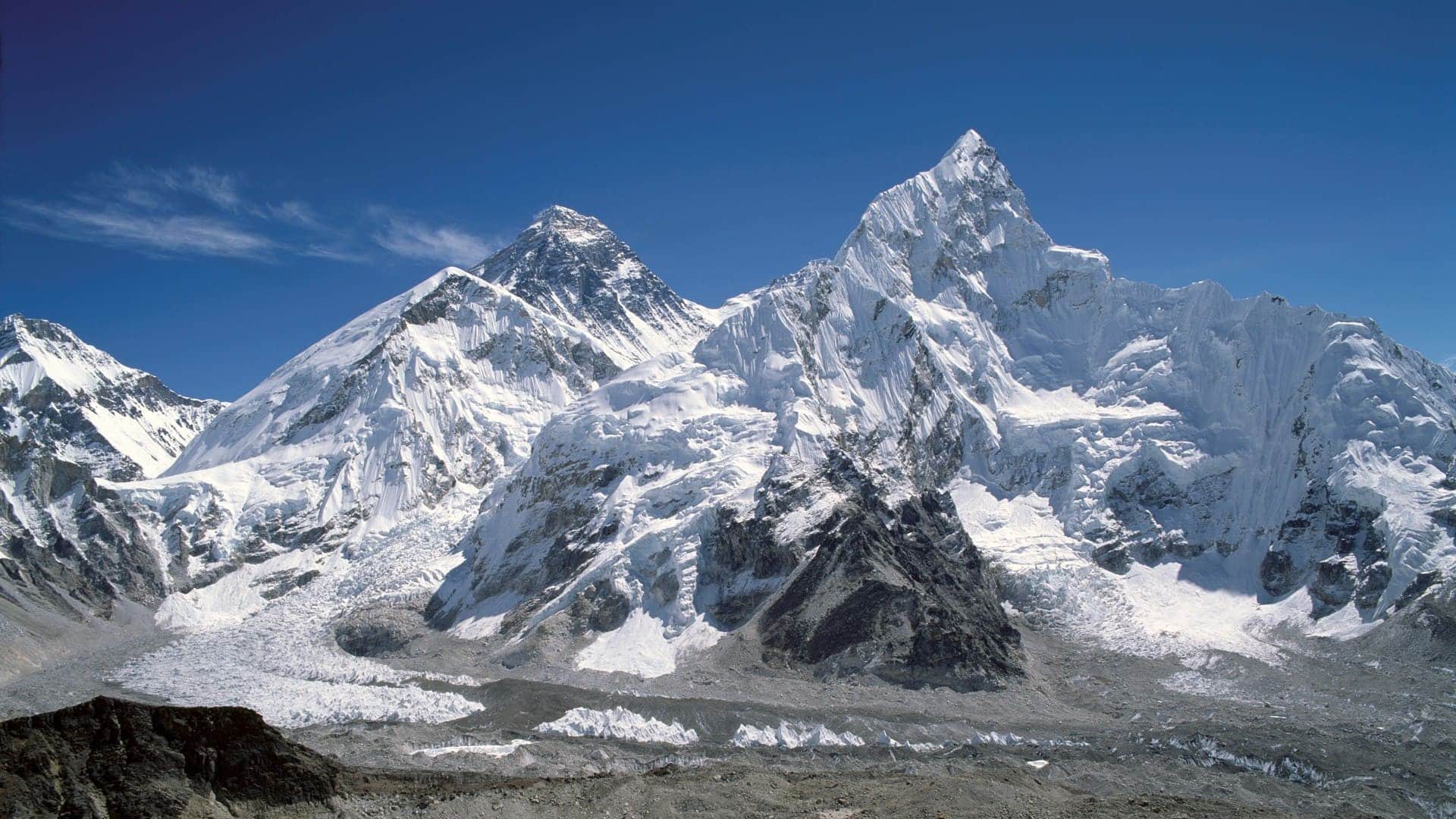
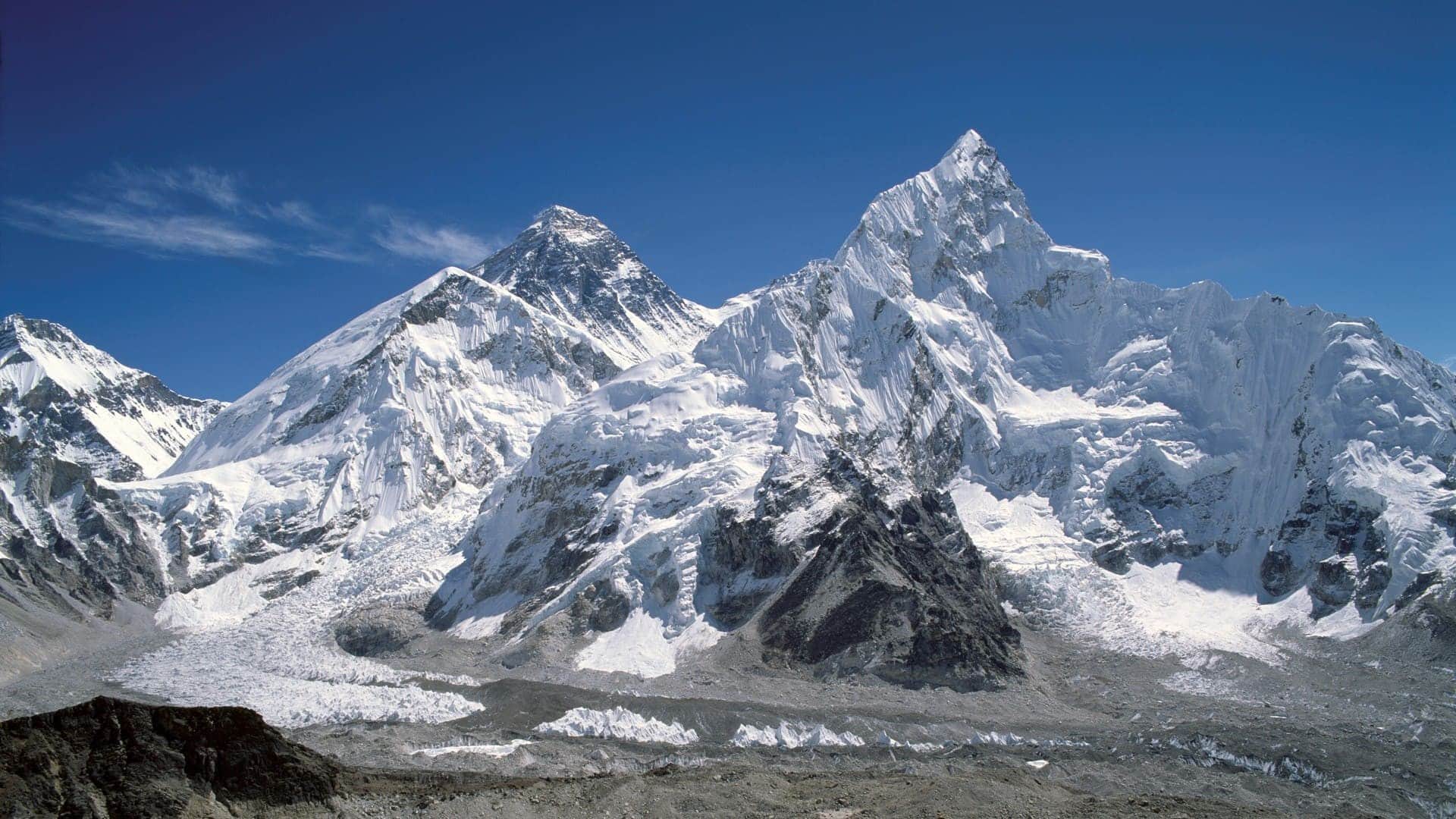
The Everest Base Camp Trek is a 5-day adventure trek located in the Khumbu region of Nepal that provides a spectacular view of the tallest mountain in the world, Mount Everest (8,848 m), alongside the other magnificent giants in the Himalayan range: Lhotse, Nuptse and Ama Dablam. This is a short walk based on a combination of natural tracks, suspension bridges and Sherpa villages, allowing the trekkers to experience a flavour of high-altitude trekking without having to commit themselves to a more extensive journey.
During the trek, trekkers also get to witness the traditional Sherpa culture in places such as Namche Bazaar, Tengboche and Dingboche. Monasteries, prayer flags and mani walls offer some understanding of the Buddhist style, as do teahouses along the trail, which offer warm local hospitality and a glimpse of the everyday life in the mountains. The walk also incorporates brief side trips to view points like Kala Patthar, where one can see the spectacular sunrise and sunset views of Everest and other mountains.
Everest Base Camp Trek is an ideal trekking destination that is ideal in terms of adventure and exposure to culture, and moderate high-altitude trekking skills within a compact itinerary.
- Scenery and Landscapes: High-angle views of Mount Everest, Lhotse, Nuptse, Ama Dablam, glaciers, and snow-capped Himalayan views, spectacular Khumbu valley views.
- Culture & Traditions: Visit Sherpa villages, monasteries, prayer flags, mani walls and stone houses; understand the rituals of the Buddhists and life in the mountains.
- Nature and Wildlife: Rhododendron and pine tree forests, Himalayan birds, and likely unspotted yaks and mountain mammals.
- Adventure & Challenge: Moderate hiking on rocky walks, suspension bridges, high-altitude trails, and steep climbs to viewpoints such as Kala Patthar (5,545 m); hiking experience is of the essence.
The Everest Base Camp Trek is a high-altitude trek in the Khumbu region of Nepal, which is aimed at trekkers who want a condensed yet immersive Himalayan experience. It is a five-day journey that takes you across the legendary Sherpa villages, rhododendron forests, suspension bridges, glacial scenery, and affords you amazing vistas of Mount Everest, Lhotse, Nuptse, Ama Dablam and other mountain ranges exceeding 3600 meters. The trek has been a walk of delight, merging both nature and cultural experiences, allowing the trekkers a feel of the high Himalayan way of life and the special Sherpa culture.
This is a perfect walk for those adventure seekers who are not willing to spend a long period of time in the real Everest experience. Among the attractions are trips to traditional villages, Buddhist monasteries and famous scenic points like Kala Patthar, where watching sunrise and sunset over Everest is a lifetime experience. The hike is also moderate physically, with some high-altitude walking, steep climbs, and rocky trails, which are ideal for an experienced hiker or someone wanting an introduction to high-altitude trekking.
- Day01Day 1: Lukla to Namche Bazaar
The journey starts with an early morning flight from Kathmandu to Lukla, where the trekkers are welcomed by the spectacular Himalayan scenery. The road starts at Lukla, crosses the Dudh Koshi River over numerous suspension bridges, one of which is the famous Hillary Bridge. Trekkers walk through pine and rhododendron forests as they get glimpses of the nearby peaks. Our day arrives at the frontline Sherpa town of Namche Bazaar, where the locals, teahouses, and colorful market life offer an exciting first proposal to the Khumbu culture.
- Day02Day 2: Tengboche to Namche Bazaar
Quitting Namche, the road climbs very slowly through woodland and terraces. On the route, trekkers can visit vantage points with a view of the Khumbu valley and a panorama of the Everest. The day destination is the attractive village of Tengboche that houses a monastery, providing spiritual knowledge and spectacular mountain scenery, especially of Ama Dablam. Trekkers will have the pleasure of observing the local rituals and meeting the friendly Sherpa community.
- Day03Day 3: Tengboche to Dingboche
The expedition moves on through forests of rhododendron and pine, slowly rising in elevation. The trail is interspersed with small villages and mani walls, which offer cultural background and a stunning view of the Himalayan mountain range. Dingboche is a high altitude valley with large peaks around it, and a good place where people can spend time to get used to high altitude, before the next stage of climbing to high levels.
- Day04Day 4: Dingboche to Lobuche
Starting at Dingboche, there are more challenging ascents with rocky trails and glacial moraine to Lobuche. This area is all about high altitude trekking and presents the panoramic view of Everest, Nuptse, and Khumbu Glacier. Lobuche offers basic teahouse accommodation with an opportunity to meet other trekkers and to enjoy the silent majesty of the Himalayas.
- Day05Day 5: Lobuche to Kala Patthar and Return to Pheriche
The day starts with a morning hike to Kala Patthar (5,545 m), where we will have an impressive view of the sunrise on top of Mount Everest and its neighbors. Upon sightseeing, trekkers head back through Lobuche and Dingboche to finally spend the night at Pheriche. A manageable descent and the reward of iconic views come together to be the final day of a condensed but memorable Everest experience.
Domestic Airport Transfers
Private vehicle transfers for all domestic arrivals and departures as per the itinerary.
Meals During the Trek
Three freshly prepared, nutritious meals per day (breakfast, lunch, and dinner) during the trek, with an emphasis on filling and energy-rich main courses suitable for high-altitude trekking.
Professional Trekking Guide
Services of a highly experienced, government-licensed, English-speaking Sherpa guide. All expenses related to the guide—including meals, accommodation, domestic flights, insurance, and required trekking equipment—are fully covered.
Sherpa Porters
Dedicated and well-equipped Sherpa porters to support your trek, with a ratio of one porter for every two trekkers. Porter costs include salary, meals, accommodation, insurance, and appropriate safety and walking equipment.
Complimentary Trekking Gear
Free use of essential trekking equipment, including a sleeping bag, down jacket, duffel bag, and trekking poles (to be returned after the trek if provided).
Trekking Permits & Documentation
All required permits and official documents, including Sagarmatha National Park entry fees and the TIMS (Trekking Information Management System) card.
Accommodation During the Trek
Accommodation in standard trekking lodges or tea houses throughout the trek.
Additional Assistant Guide
For groups of eight or more participants, an additional assistant guide will be provided to ensure safety, smooth coordination, and personalized support.
Domestic Flights
Round-trip domestic airfare between Kathmandu and Lukla, including all applicable airport and departure taxes.
Evening Seasonal Treats
Fresh seasonal fruits served every evening after dinner during the trek.
Health & Altitude Monitoring
Access to oximeters for monitoring oxygen saturation and pulse levels, supporting early detection of altitude-related issues.
Emergency Support & Rescue Coordination
Assistance with emergency rescue coordination if required. Rescue and evacuation costs are to be covered by the client’s travel insurance.
Recognition & Souvenirs
- A Himalaya Vibes Certificate of Appreciation upon successful completion of the trek
- A complimentary Himalaya Vibes hiking souvenir
Taxes & Official Charges
All applicable local and government taxes, service charges, and official expenses are included.
Trip Briefing & Route Orientation
Pre-trek briefing in Kathmandu covering itinerary details, safety protocols, altitude awareness, and equipment checks.
Drinking Water Support
Guidance on safe drinking water options during the trek, including boiled or treated water at lodges.
Nepal Entry Visa
Nepal entry visa fees are not included. Visas are easily obtainable on arrival at Tribhuvan International Airport (Kathmandu). Current fees are USD 30 (15 days), USD 50 (30 days), and USD 125 (90 days), subject to government regulations.
International Flights
International airfare to and from Nepal is not included in the package.
Pre- and Post-Trek Accommodation & Meals
Any additional hotel nights and meals in Kathmandu or other cities before or after the scheduled trek dates are excluded.
Travel Insurance
Comprehensive travel insurance is mandatory and must include coverage for high-altitude trekking, emergency rescue, and evacuation.
Personal Expenses
Personal costs such as shopping, snacks, hot or cold beverages, alcoholic and non-alcoholic drinks, Wi-Fi usage, hot showers, battery charging, boiled or bottled water, and hiring extra porters are not included.
Food & Beverages Outside the Meal Plan
Items not covered under the standard meal plan—such as tea, coffee, soup, hot chocolate, desserts, mineral water, soft drinks, alcohol, and any extra food or drinks purchased at tea houses—are excluded.
Unforeseen Circumstances
Additional expenses arising from itinerary changes, delays, or disruptions due to factors beyond our control—such as weather conditions, health issues, government policy changes, strikes, or a participant’s physical condition—are not included.
Tips & Gratuities
Tips for guides, porters, and support staff are not included. While tipping is not compulsory, it is customary and appreciated in Nepal.
Early Return or Trek Interruption
In the event of an early return from the trek due to illness or any other reason, costs already incurred (including flights, accommodation, meals, or mountain lodges) are non-refundable. Any additional expenses in Kathmandu or elsewhere will be borne by the client.
Other Unspecified Expenses
Any costs not explicitly listed under the “Package Includes” section are excluded.
This hiking is best done in spring (March to May) and autumn (September to November) when the weather is clear, the temperatures are moderate and views of the mountains are best. Most crowds are led in winter when conditions are colder, whilst the monsoon period (June to August) is characterised by heavy rainfall, slippery hiking paths and lack of visibility.
This hiking is best done in spring (March to May) and autumn (September to November) when the weather is clear, the temperatures are moderate and views of the mountains are best. Most crowds are led in winter when conditions are colder, whilst the monsoon period (June to August) is characterised by heavy rainfall, slippery hiking paths and lack of visibility.
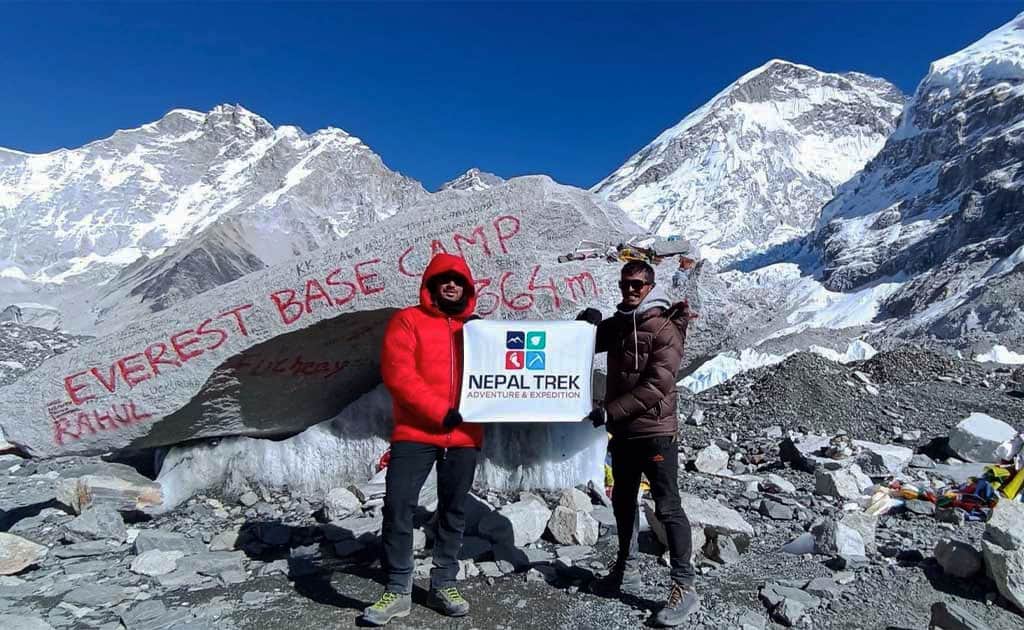
Everest Base Camp Trek is a high-altitude adventure tour that incorporates both breathtaking Himalaya scenery and Sherpa-rich culture. The trekkers will cross forests, suspension bridges, glacial valleys, traditional villages and will also have iconic views of Mount Everest, Lhotse, Nuptse and Ama Dablam. The trek is not as long as the canonical EBC route, but it also takes adequate training to withstand the altitude, stamina and acclimatize.
Permit
To hike in the Everest area, every trekker must have a Sagarmatha National Park Permit (SNP) as it is necessary to be allowed to enter the park. Further, an authorization of a Khumbu Pasang Lhamu Rural Municipality (KPLMR) Permit is required. Both permits are available in Kathmandu or with a registered trekking agency, and without the permits, trekking is illegal. You should have your valid ID with you, typically a passport, because these permits are tied to your ID.
Difficulty
It is said to be moderate: the elevation is the main factor making it rather difficult, as well as the steep climbs, in particular, between Dingboche and Lobuche or Kala Patthar. The daily walk may be 5-8 hours of walking, and sometimes on rocky, uneven roads and side-by-side suspension bridges. Trekking participants must be in good physical shape, with prior hiking experience, and must be able to cope with changes in altitude. It is important to properly acclimatize and pace in order to prevent altitude sickness.
Travel Insurance
It is advisable to have travel insurance. Make sure your policy is on coverage of:
- Hospitalization and medical emergency
- High altitude helicopter evacuation
- Flight cancellation and or delays
- Delayed or lost tackle world of a bag
Insurance can range between USD 90 and 140, depending on how long you need it. A 2-week trek is common, and that requires a cover.
Physical Fitness
The Mardi Himal trek is fairly difficult, a trek that a beginner in decent shape can handle. The daily progression through the field takes 5 to 6 hours, along rough tracks, including some steep ascents.
- Fitness level: Ability to jog 5 km in 30 to 35 minutes or cycle 15km in 45 minutes to feel at unit on the trail
- Training: It is recommended that you do cardio and leg/core strength training 2-3 weeks in advance to make the trek more enjoyable and easier
Accommodation
The fact that there are plenty of tea houses on the way to the Mardi Base Camp makes this trek easy since you do not have to carry the tents and cooking material with you. Lower altitude and more utilized trails feature pleasant tea houses that have electricity, Wi-Fi, hot showers, and packing bathrooms, whereas higher up the slope, the simpler lodges have main rooms with fundamental squat toilets. Some minor charges for Wi-Fi or hot water usually exist. To help you stay warm at night when it is cold, you will have a clean sleeping bag which has a warmth rating of -20 degrees Celsius.
Meals During the trek
You will find food on the trail delicious and plentiful. Traditional Nepali food such as Dal Bhat with unlimited refills, fried rice, noodles, Mo Mo dumplings, and Thukpa noodle soup can be enjoyed, as well as western meals like pasta, pizza, burgers and potatoes. Breakfast choices include Tibetan bread and chapatti with curry to eggs, porridge, muesli and pancakes. The trek would be vegetarian, vegan and special dietary needs can be communicated with your guide.
Included in your package are dinner in Kathmandu before starting the trek and three meals per day on the trail, including tea or coffee, with additional snacks, desserts, or other special drinks available to purchase.
Transportation
All your transport will be included in your trekking package. Pokhara can be reached by bus, microvan, tourist bus, private vehicle or flight (USD 105 per person) from Kathmandu. Base points of the trek are Nayapul, Birethanti, Hile, Tikhedhunga and Banethanti. Local buses are more immersive, though they can be very slow and crowded, whereas renting your own vehicle will be more comfortable and flexible.
Charging, Connectivity and Internet
The majority of tea houses also offer electricity or solar power to charge devices, but it is better to bring a power bank. Cell phone coverage is largely serviced by NCELL or Nepal Telecom, with cell phone SIM cards fairly readily available in Kathmandu. Most tea houses have Wi-Fi available (2-3 dollars/night), but the connection may be unreliable depending on the weather and location.
Porters
It is not necessary, but highly recommended to hire a porter as you travel with a light day pack. A porter can only carry 20 kg of weight shared between the two of you, and this gives you time to concentrate on the trek rather than burdening yourself with a heavy load. Your guide can also facilitate the hiring of a porter in the event that he/she is required.
Nepali Currency Payments
Nepal is on the rupee, but the currencies such as USD, AUD, GBP, CAD, SGD, and Euros could be easily converted in Kathmandu or Pokhara. The larger hotels, shops and restaurants accept credit and debit cards at a 3.5 per cent surcharge. There are numerous ATMs, mainly in Thamel, with a limit of withdrawal on a daily basis between Rs 10,000 and Rs 35,000 and standard fees.
Trekking Gear
Clothing
- Rain coat, poncho or combination jacket/trousers
- Down jacket / Gore-Tex jacket
- Down jacket (unless you have a down vest)
- Rainproof, or windproof trousers
- Hiking pants (2 pairs are recommended)
- Shorts (2pcs)
- T-shirts (4-5, as per the day of trek)
- MIT/fleece jacket
- Base layers (thermal down-jacket)/thermal coats (1-2 sets, depending on time)
- Gloves: light fleece and waterproof/windproof (2 pairs)
- Underwear
Footwear
- Water-resistant, ankle support trekking boots
- Bare feet or moisturizing sandals and sneakers (to spend the off-time around camp)
Accessories & Equipment
- Sunglasses
- Lip balm and Question mark Sunscreen
- Sun hat, woolen/beanie/fleece hat
- Neck gaiter
- First aid Fritton
- Swiss army knife (option)
- Luggage cover
- Headlamp
- Trekking poles
- Gaiter (optional)
- Micro crampons (not mandatory)
- Chlorine detoxification tablets or Steripen
- Spare batteries and Love2travel Adapter
- Power bank
- Bottles of water/camel bag/thermos
- Multi purpose soap /Shampoo
- Tiny towel, antiseptic wash
- Hygiene products, and wet wipes
- Mosquito spray (optional)
- Whistle & earplugs
- Reading books, cards/chess
Sleeping Gear
- Sleeping bag -15/20
- Sleeping bag liner (cotton, silk, or fleece)
Bags & Packs
- JoinBackpack (60 liters)
- Daypack (25-30 liters)
Give us a review
Pricing
Number of people
Price per person