




Destination
Kathmandu Valley
Duration
10 days and 9 nights
Difficulty
Moderate
Max. Elevation
N/A
Group Size
N/A
Accommodation
Standard Options
Vehicles
N/A
Food
No bed or meals included
Discover the cultural and spiritual heart of Nepal on a four-day journey through the seven UNESCO-designated Monument Zones of the Kathmandu Valley. This carefully designed tour brings together centuries-old palaces, temples, stupas, historic courtyards and traditional Newari architecture, offering an enriching introduction to the valley’s remarkable history, art, religion and living culture. With private transportation, guided sightseeing and a thoughtfully planned itinerary, you can explore the valley comfortably while experiencing its most significant heritage sites.
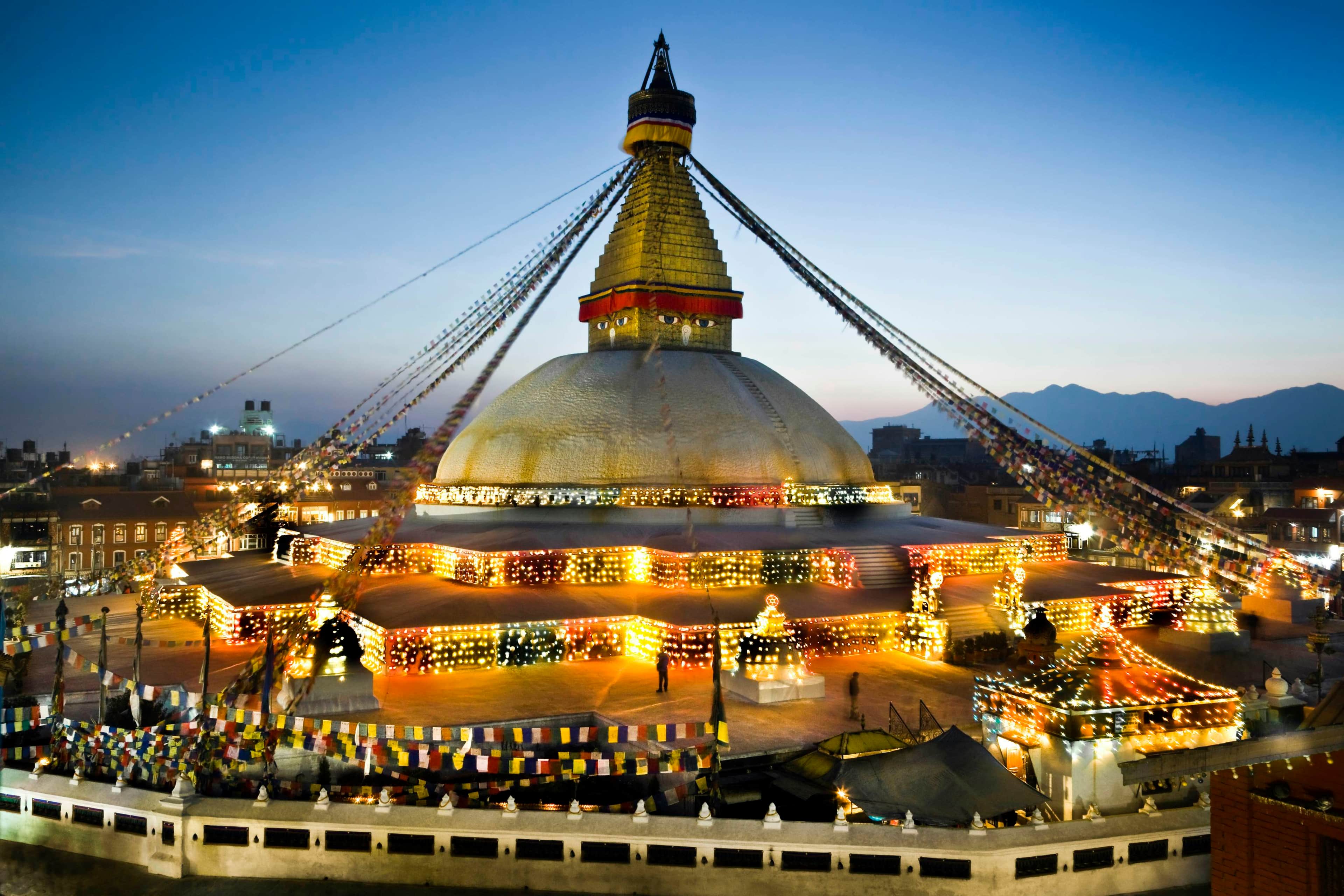
The journey takes you through the historic heart of Kathmandu, beginning with Kathmandu Durbar Square and Swayambhunath Stupa, before continuing to the artistic and architectural heritage of Patan Durbar Square. Experience the spiritual atmosphere of Pashupatinath Temple and Boudhanath Stupa, two of the valley’s most important Hindu and Buddhist sites. The tour then continues to Bhaktapur Durbar Square, renowned for its preserved Newari heritage, and Changu Narayan, an ancient hilltop temple that completes your visit to all seven Monument Zones.
Beyond the major landmarks, the tour offers opportunities to experience the everyday character of the Kathmandu Valley. Walk through historic streets and lively local markets, observe traditional craftsmanship and discover the cultural traditions that continue to shape life in the valley. Whether traveling as a couple, family or solo traveler, this well-paced heritage journey provides a memorable way to explore the depth and diversity of Kathmandu Valley’s UNESCO-recognized cultural heritage.
- All 7 Kathmandu Valley UNESCO Monument Zones
- Kathmandu Durbar Square / Hanuman Dhoka
- Swayambhunath Stupa
- Boudhanath Stupa
- Pashupatinath Temple
- Patan Durbar Square
- Bhaktapur Durbar Square
- Changu Narayan Temple
- Explore three historic cities of the Kathmandu Valley
- Discover Newari architecture, sculpture, courtyards and traditional craftsmanship
- Experience both Hindu and Buddhist cultural traditions
- Private sightseeing transportation
- Government-licensed local guide
- Flexible time for photography, exploration and cultural experiences
The tour begins at Kathmandu Durbar Square, the historic heart of the capital, where centuries-old palaces, temples and courtyards showcase the artistic and architectural heritage of the Kathmandu Valley. Continue to Swayambhunath Stupa, perched on a hill overlooking the valley, before exploring the sacred atmosphere of Boudhanath Stupa and its vibrant Buddhist traditions. The journey then takes you to Patan Durbar Square, renowned for its exquisite Newari architecture, historic courtyards and remarkable artistic craftsmanship.
Continue to Pashupatinath Temple, one of Nepal’s most important Hindu pilgrimage sites, where the sacred Bagmati River and centuries-old religious traditions offer a deeper understanding of the valley’s spiritual heritage. The tour then travels to Bhaktapur Durbar Square, a beautifully preserved historic city known for its traditional Newari architecture, temples and ancient squares, before concluding the heritage journey at Changu Narayan, an ancient hilltop temple surrounded by rich history and cultural significance.
Throughout the journey, time is set aside to explore historic streets, local markets, traditional architecture and everyday life in the Kathmandu Valley. Carefully planned to cover all seven UNESCO-designated Monument Zones at a comfortable pace, this tour offers an immersive introduction to the valley’s history, religion, art and living cultural traditions.
- Day01Kathmandu Durbar Square & Swayambhunath
Kathmandu Durbar Square → Swayambhunath
Your Kathmandu Valley heritage journey begins with Kathmandu Durbar Square, the historic royal center of the old Kathmandu city. Explore its palace courtyards, temples, traditional architecture and surrounding historic streets while learning about the valley's royal and artistic heritage.
Continue to Swayambhunath, one of the Kathmandu Valley's important Buddhist religious ensembles. Located on a hill overlooking the valley, the site offers both a spiritual atmosphere and broad views across Kathmandu.
Take time to explore the stupa, surrounding shrines and traditional religious features before returning to your hotel.
Overnight: Kathmandu
UNESCO Monument Zones covered:
- Hanuman Dhoka / Kathmandu Durbar Square
- Swayambhu / Swayambhunath
- Day02Patan, Pashupatinath & Boudhanath
Patan Durbar Square → Pashupatinath → Boudhanath
Begin the day in Patan, one of the historic cities of the Kathmandu Valley. Visit Patan Durbar Square, known for its palace complex, temples, courtyards, stone and metal artwork, and distinctive Newari architectural traditions.
Continue to Pashupatinath, one of Nepal's most important Hindu religious complexes. Explore the temple precinct and the sacred Bagmati River area while learning about the site's religious and cultural significance.
In the afternoon, continue to Boudhanath, home to one of the Kathmandu Valley's major Buddhist stupas. Walk around the stupa and surrounding area, observe Buddhist devotional practices and experience the distinctive atmosphere of this important pilgrimage center.
Return to Kathmandu for the evening.
Overnight: Kathmandu
UNESCO Monument Zones covered:
3. Patan Durbar Square
4. Pashupati / Pashupatinath
5. Bauddhanath / Boudhanath - Day03Bhaktapur & Changu Narayan
Bhaktapur Durbar Square → Changu Narayan
Travel to Bhaktapur, the historic city renowned for its preserved traditional urban character and Newari heritage.
Explore Bhaktapur Durbar Square, including its historic palace area, temples, courtyards and traditional architectural details. Allow time to walk through the surrounding historic streets and observe local craftsmanship and everyday life.
Continue to Changu Narayan, situated on a hilltop to the east of the Kathmandu Valley. Visit the historic temple complex and explore its traditional surroundings and religious architecture.
After completing the day's heritage visits, return to Kathmandu.
Overnight: Kathmandu
UNESCO Monument Zones covered:
6. Bhaktapur Durbar Square
7. Changu Narayan - Day04Heritage Reflection & Departure
Enjoy a relaxed final morning in Kathmandu. Depending on your departure schedule, you may have time for breakfast, shopping for traditional handicrafts or a final walk through the city.
Your private transfer will take you to Tribhuvan International Airport for your onward journey.
Professional City Tour Guide
An experienced, friendly, and knowledgeable government-licensed guide to accompany you throughout the Kathmandu Valley sightseeing program.
Private Transportation
All sightseeing transfers provided in a private vehicle, ensuring comfort and convenience during the tour.
Comprehensive Kathmandu Valley Sightseeing
Visits to all cultural, historical, and heritage sites as outlined in the itinerary, including temples, palaces, and monuments.
Entrance Fees
All entrance fees and permits for monuments, museums, and heritage sites included in the itinerary.
Refreshments During Tour
Bottled water and light refreshments provided during the sightseeing program.
Tour Planning & Coordination
Full support from the Himalaya Vibes operations team to ensure smooth scheduling, logistics, and on-ground assistance.
Meals in Kathmandu
Lunch and dinner during the city tour in Kathmandu are not included.
International Airfare
Flights to and from Nepal are not included.
Nepal Entry Visa
Visa fees are not included. A Nepal tourist visa can be obtained on arrival at Tribhuvan International Airport, Kathmandu. Current rates are USD 40 for 60 days, subject to government regulations.
Entrance Fees
Fees for additional monuments, museums, or sites visited outside the confirmed itinerary are not included.
Tipping & Gratuities
Tips for guides, drivers, and support staff are not included. While optional, tipping is customary and appreciated in Nepal.
Personal Expenses
Any personal expenses such as souvenirs, shopping, snacks, or beverages during the tour are not included.
Optional Activities
Any optional excursions or experiences not listed in the confirmed itinerary are excluded.
Flight Information
Tribhuvan International Airport (TIA) – Kathmandu, where all international travelers land, and they can get transported privately to their hotel. For the domestic part of your tour, a scenic flight over Kathmandu and Pokhara takes about 25 minutes, and the views are stunning as you see the Himalayan peaks. One is advised to report at the domestic airport at least one hour prior to takeoff. Remember that the schedule of flights may sometimes be altered depending on weather conditions or other circumstances, and therefore it is important to keep up with the changes.
Nepal Visa Information
The majority of travelers are able to purchase a visa upon arrival at TIA with a passport (validity of at least six months) and a passport-size photograph. Visa fees are made as cash and are available within 15, 30 or 90 days. Alternatively, one can apply for a visa in advance at Nepali embassies or consulates. Never assume that the new visa policies and charges are the same, as they are always updated and can vary.
Travel Insurance
Travel insurance is not obligatory but strongly advised in order to take care of unforeseen incidents like medical emergencies and delays in flights, cancellations of trips, or evacuations. Although this tour will be confined to low-altitude areas, insurance gives one a sense of tranquility and economic security in the event of unexpected events.
Health and Physical Fitness
This tour will be of light walking, visiting temples, and making short trips to places of view such as Sarangkot. Comfortable walking shoes and simple physical exercise to climb the stairs and rough surface areas will do the job. They recommend that the traveler maintain hydration, wear sunscreen and proper clothing to protect him/her against the sun. Whether you have underlying ailments or not, you should visit the doctor, particularly when you are planning to do optional activities such as paragliding or scenic flights.
Weather Conditions
The days are warm, and the nights are mild; the most pleasant seasons to travel are spring (March-May) and autumn (September-November). The winter mornings and evenings are cold as well, whereas summer (June-August) has monsoon rains, which are able to sometimes postpone flights or cause the roads to become slippery. Pack layered clothing, a light jacket, and rain gear in case one is traveling in rainy months and always check the local forecast before going out.
Cultural Considerations
Nepal is fertile in terms of traditions and religious practices. When traveling to temples or holy places, wear decent clothes, take off your shoes, and seek permission before taking pictures of people, especially the monks or spiritual men. In a number of places, expressions of affection are not encouraged to be publicly displayed. Such simple gestures as greeting with Namaste provide respect and contribute to decent interactions with the local communities.
Tipping Guidelines
Tipping is optional but well-received. A tip of 10-15 per cent of the service fee is standard on the part of guides, but half of that is commonplace on the part of drivers. A 10 per cent service fee can be added, but other tips are not mandatory in restaurants. Tipping is a significant method of giving appreciation to good service and livelihoods.
Safety & Security
Nepal is not usually a dangerous place to visit, though travelers ought to take precautionary measures. Store the valuables safely, particularly at a busy marketplace or even at a train or bus terminal, and report to someone the intentions of an independent exploration. It is better to avoid political demonstrations or strikes (bandhs) that may take place at any time. It is always good to remain conscious of the environment so you have a hassle-free time.
Currency and Money Matters
The currency
of Nepal is the Nepalese Rupee (NPR). There are plenty of ATMs in big cities and hotels and big restaurants take credit cards. Always have small amounts of cash to use in buying local items, and have a few US dollars to use in paying visa fees, emergencies, or places with low ATM coverage.
Transportation
There are transfers between major areas by means of private automobiles. Domestic flights from Kathmandu to Pokhara give gorgeous views of the mountain in nearly 25 minutes. Taxi and ride-sharing services are a possibility within urban areas, but the conditions on roads might be uneven in rural regions. Arranged transfers ensure that your traveling is easy, giving you time to go sightseeing and cultural tourism.
Electricity and Charging
Nepal is also 220-240 volts using Type C, D and M plugs. An adapter and a power bank that can be carried everywhere are suggested. The majority of mid-range and luxury hotels include backup power so that you do not need to worry about charging your gadgets.
Festivals and Public Holidays
There are colorful festivals in Nepal, including Dashain, Tihar, Holi and Nepali New Year. Music, colors and performances are the order of the day during these festivals; some businesses and offices close down or have restricted hours. These events provide a rare cultural experience by partaking in or witnessing them.
Food and Dining
The Nepalese food is heterogeneous, with momos, dal bhat, and local food. Kathmandu and Pokhara have a variety of food options, both street food and high-end restaurants. There is a big variety of vegetarian, vegan, and gluten-free options. Use bottled or filtered water and visit reputable dining restaurants to have a safe and good time.
Cancellations and Weather-Changes
The itinerary may sometimes be hampered by weather conditions, rain during the monsoon or a delay in flights. One should have the flexibility, and travel insurance may cover unforeseen changes or cancellations.
Language and Communication
The native language is Nepali, though English is usually spoken in tourist destinations. One can also learn simple words to facilitate interaction, like Namaste (hello) and Dhanyabad (thank you). It can easily communicate conveniently when on the trip using local SIM cards with data.
Green Tourism / Eco Tourism
Nepal is a land with natural and cultural heritage, which has to be taken seriously. Reduce the use of plastics, reuse water containers, shop locally and observe wildlife and sacred sites. Nepal can preserve its beauty and save it for the future through sustainable tourism activities.
Local Laws and Emergency Contacts
Have contact numbers of the police, hospitals, and contacts of the embassy in the area in case of emergencies. Adhere to the local regulations and observe limited zones. It is possible to discuss regulations with guides or local authorities in case of doubts.
Staying Healthy
Use clean and safe water, dine in clean and reputed restaurants, bring with you a small first aid, and pack all the medicines you need to come with you. By keeping these habits, you can be healthy in the process.
Packing Essentials
- Multi-layered, changeable clothing
- Shoes to stroll in the city and have a short walk
- Wear rain clothing in the rainy season
- Sunscreen and sunglasses
- Reusable water bottle
- Power adapter and power bank
Give us a review
Pricing
Number of people
Price per person