



Destination
Annapurna Base Camp
Duration
15 days and 14 nights
Difficulty
Challenging
Max. Elevation
5643 m
Group Size
Max. 10 pax
Accommodation
Standard Options
Vehicles
N/A
Food
Bed included, includes: No meals included
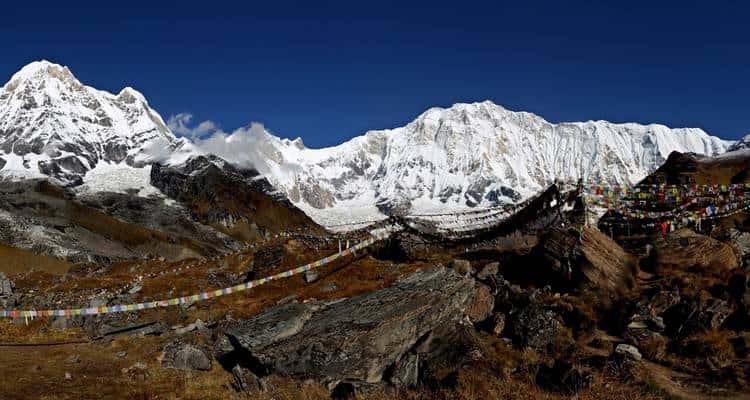
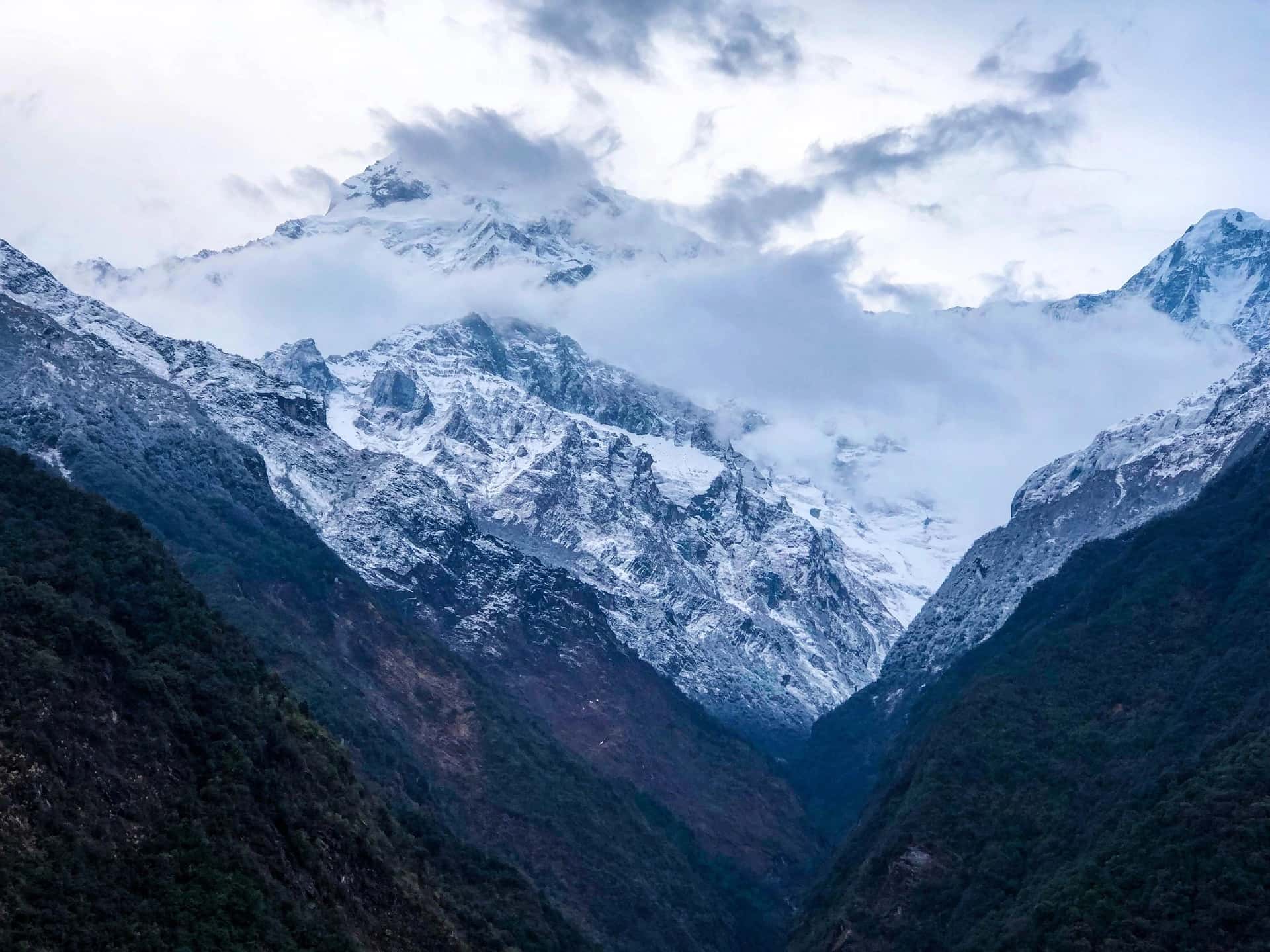
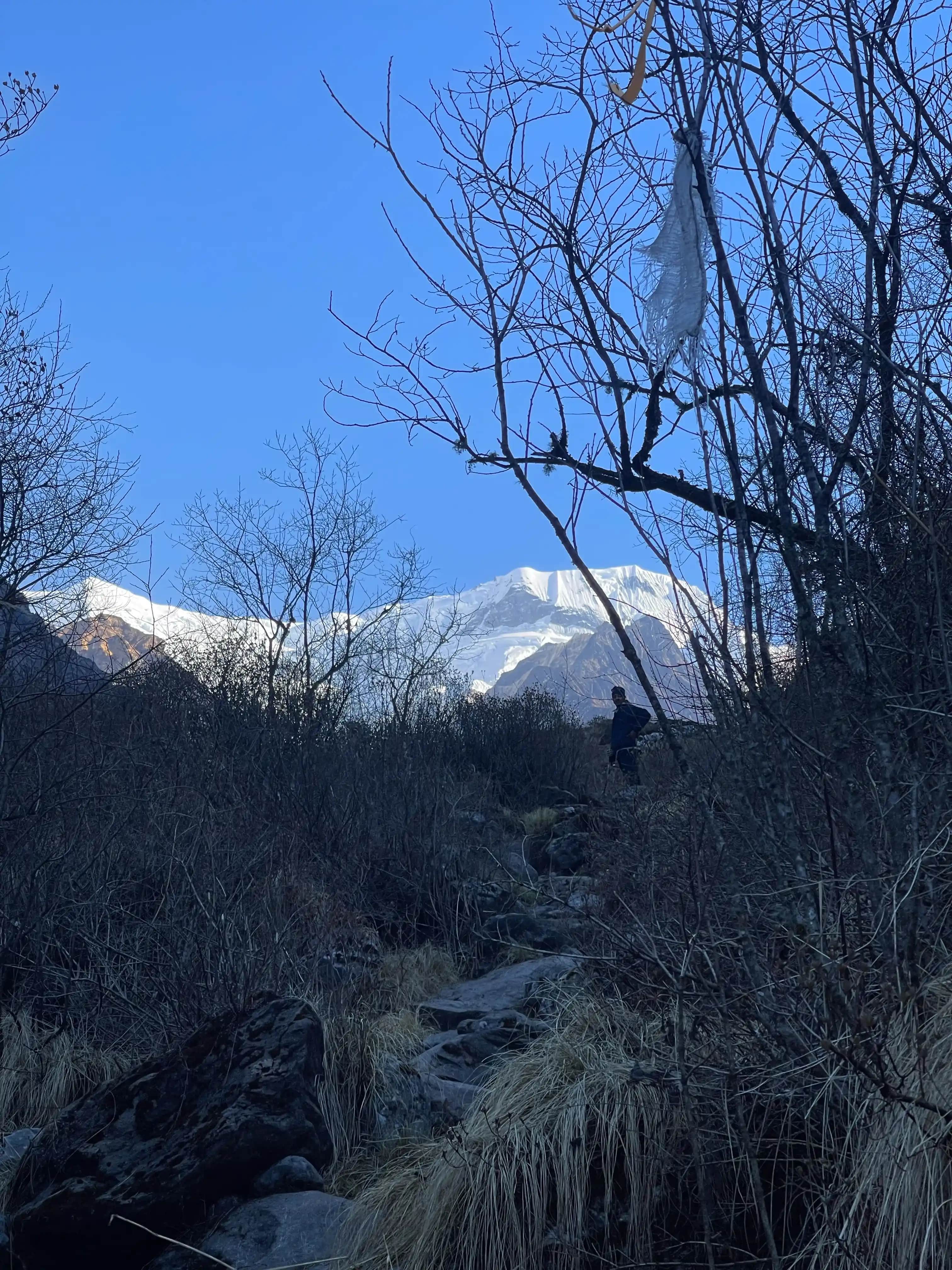
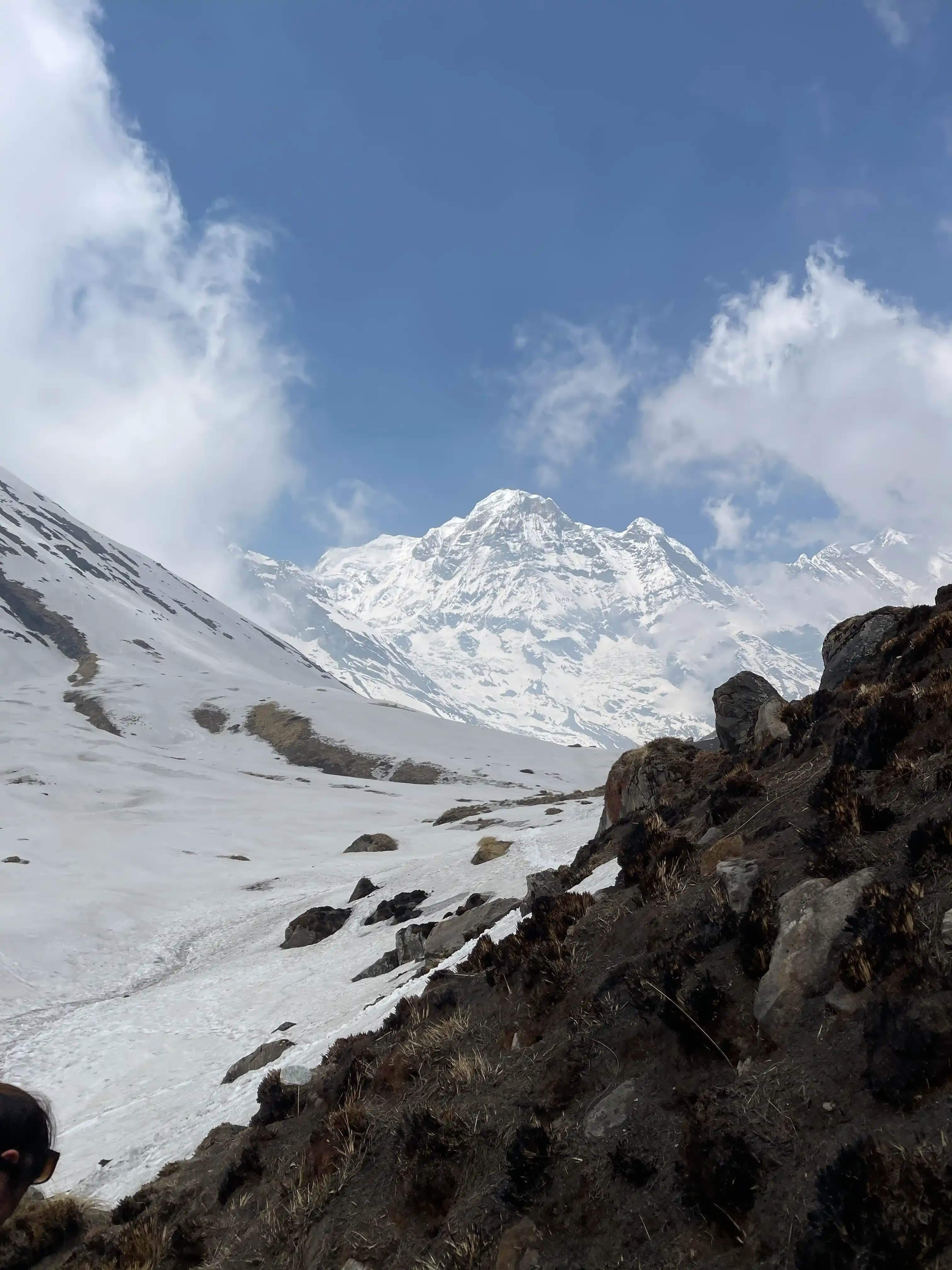
Annapurna Base Camp Trek is one of those hidden gems looming in the lap of the Himalayas. Trekkers in this place experience the real touch of nature and cultural richness, as mornings can be spent in the arms of nature and nights in the stars in the sky, whereas the tantalizing peaks never fail to beckon the trekkers into their folds. But you may think about this, besides Annapurna I, which is the 10 th highest mountain of the world, you will see also Annapurna South, Hiunchuli, Machapuchhre (also called the Fishtail Mountain and recognisable by its fishtail shape), Gangapurna, Barahshikhar, Tent Peak, Sinha Chuli, Gandharva Chuli and Dhaulagiri, which is already visible at nearby overviews (see Poon Hill), and Annapurna II, III, and IV-just to mention the In the trail, it is also possible to unearth an exotic cultural front as you got to stroll past terraced rice paddies and golden wheat fields clinging to steep slopes, and red and pink rhododendron blossoms adorning the hillsides to the unhurried waterfalls.
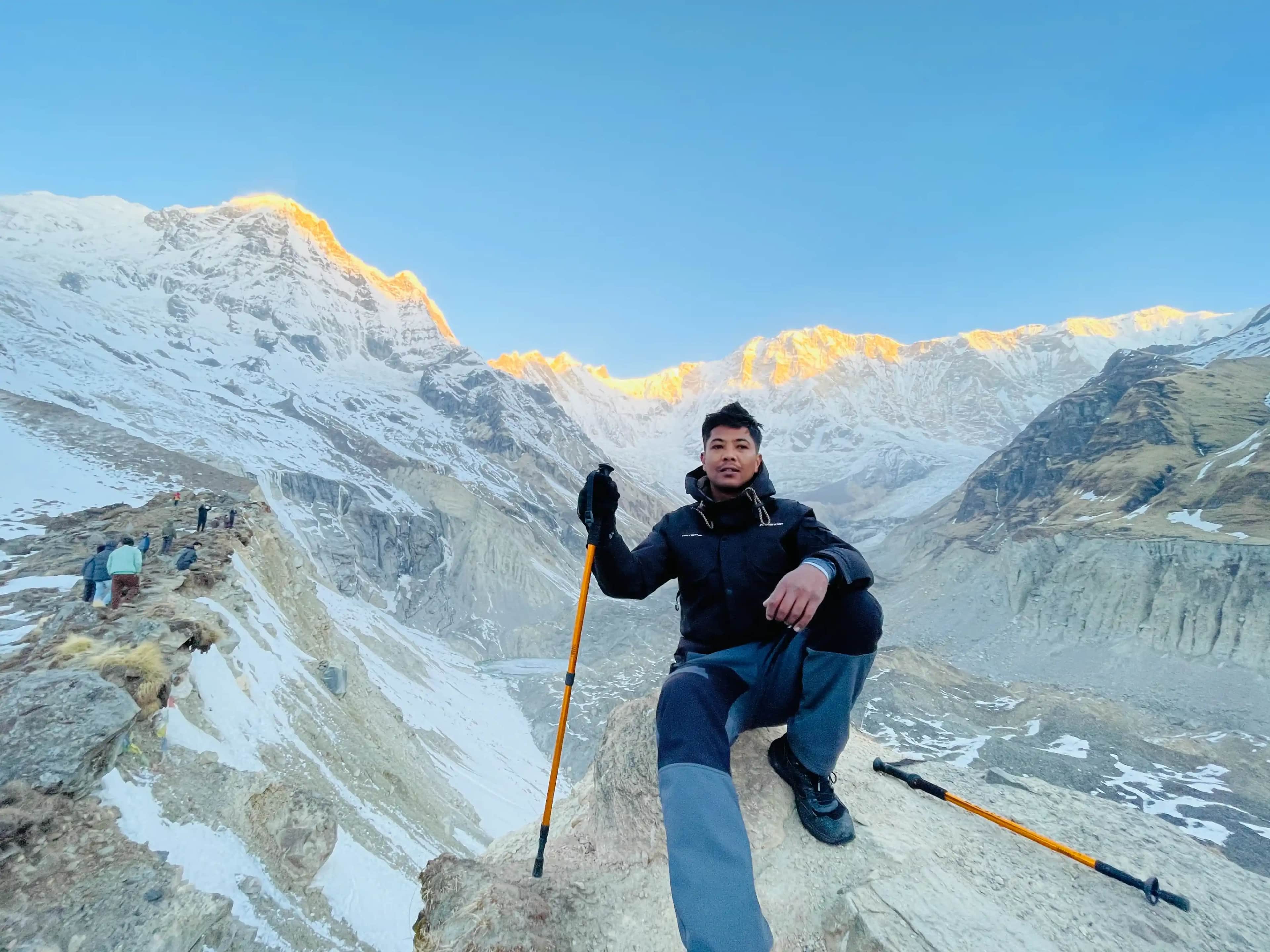
You start your trek in the peaceful lakeside town, Pokhara, followed by a drive to Nayapul of 1.5 hours after which the actual trek begins through the lush jungles and Gurung villages to arrive at Ghorepani and the famous Poon Hill. A day out in this beautiful village, which is nestled in green countryside, will give you time to understand the nature of the people, get acquainted with their culture and customs, and even get dressed in their traditional way of clothing, a definite highlight for visitors to the village. And what might we say about Poon Hill, the hill where you can see some of the most dramatic sunrises with the mountains standing like decorations covered in golden feathers?
Past this point, the path passes into the Annapurna Conservation Area (ACA), the largest conservation area in Nepal, which covers an area of 7,629 square kilometers. The area has diverse terrain, including sub-tropical forests in the lower altitudes to alpine pastures in the highlands, together with the presence of abundant wildlife dispersed throughout the area, including red pandas, Himalayan tahr, langurs, and various kinds of birds.
Along this conservation project, the trail leads to Tadapani which is a village surrounded by rhododendron forests providing wonderful panoramic views of the mountains; then to Chomrong which acts as a base camp to the Annapurna Sanctuary and a very lively Gurung village; Dovan which a quiet little stop with some majestic views of waterfalls and streams; Deurali which is located on the higher slopes and therefore comes with panoramic views and scenic hikes; the trail next leads the way to Bamboo which merely has bamboo groves and The route is all about mixing nature, adventure and culture into an unforgettable journey into the Himalayas.
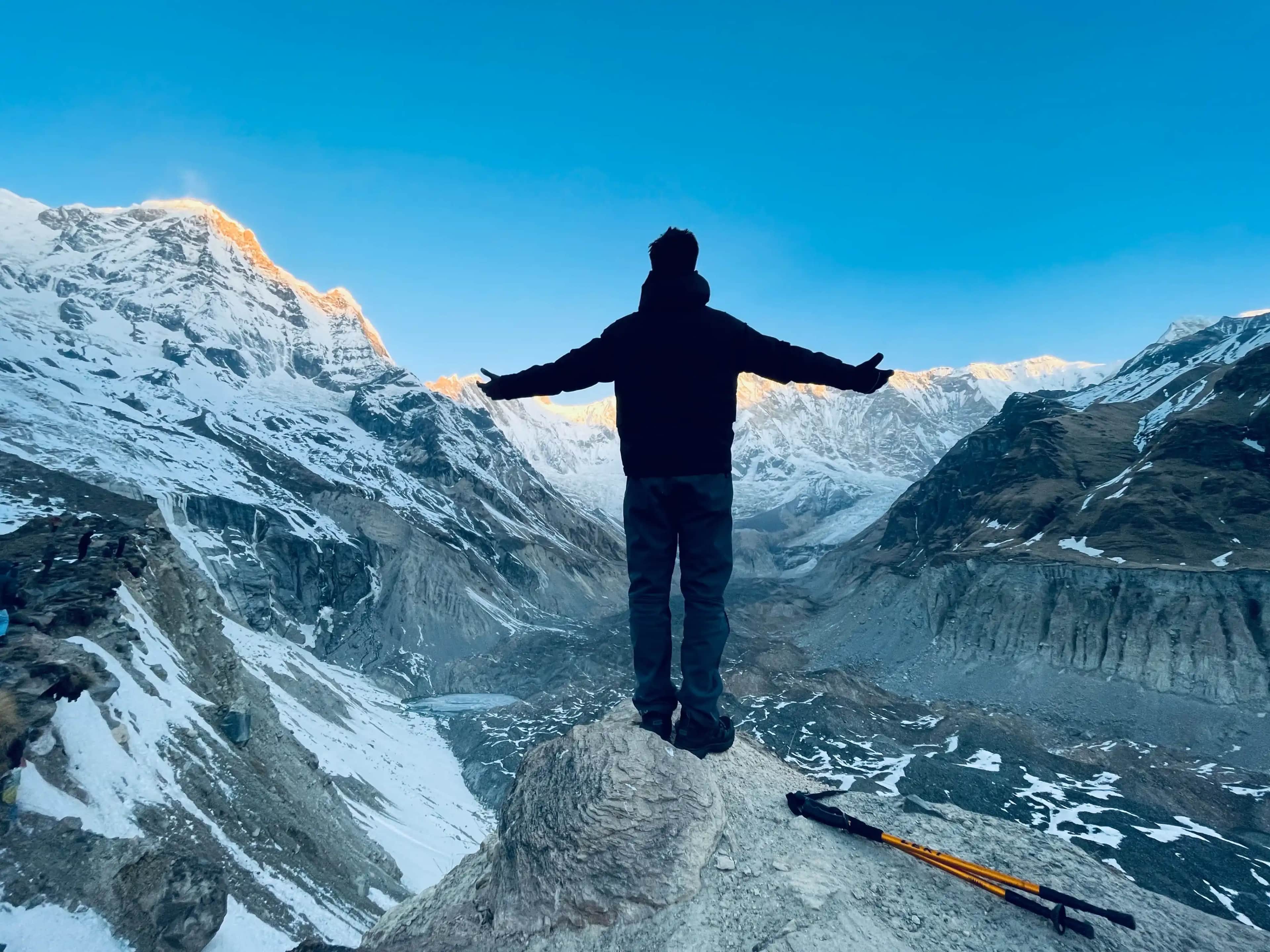
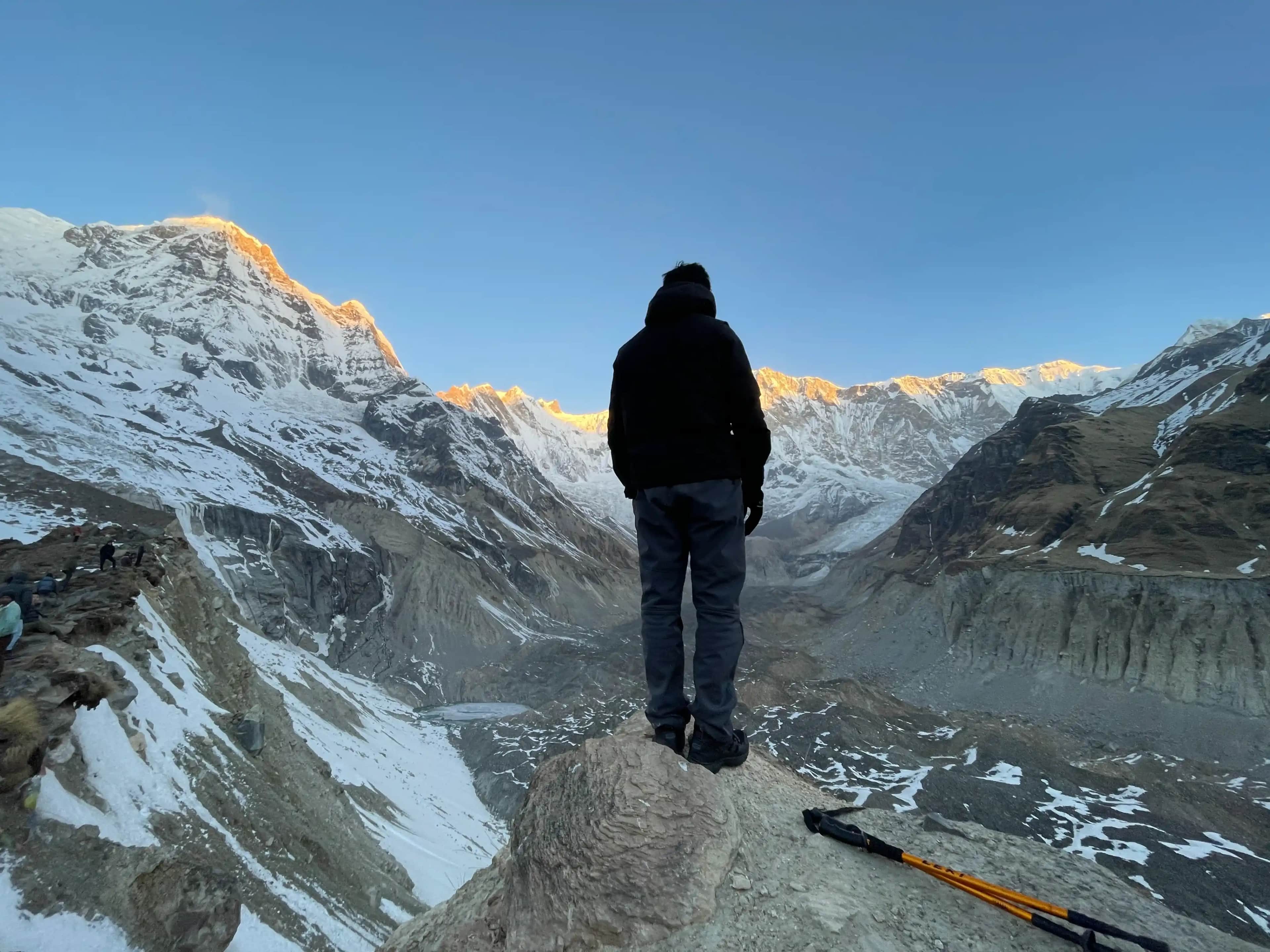
Welcome a new day with a magnificent view of the Himalayan mountains, as Annapurna I, Machhapuchhre and Dhaulagiri shine in the golden sunlight of dawn.
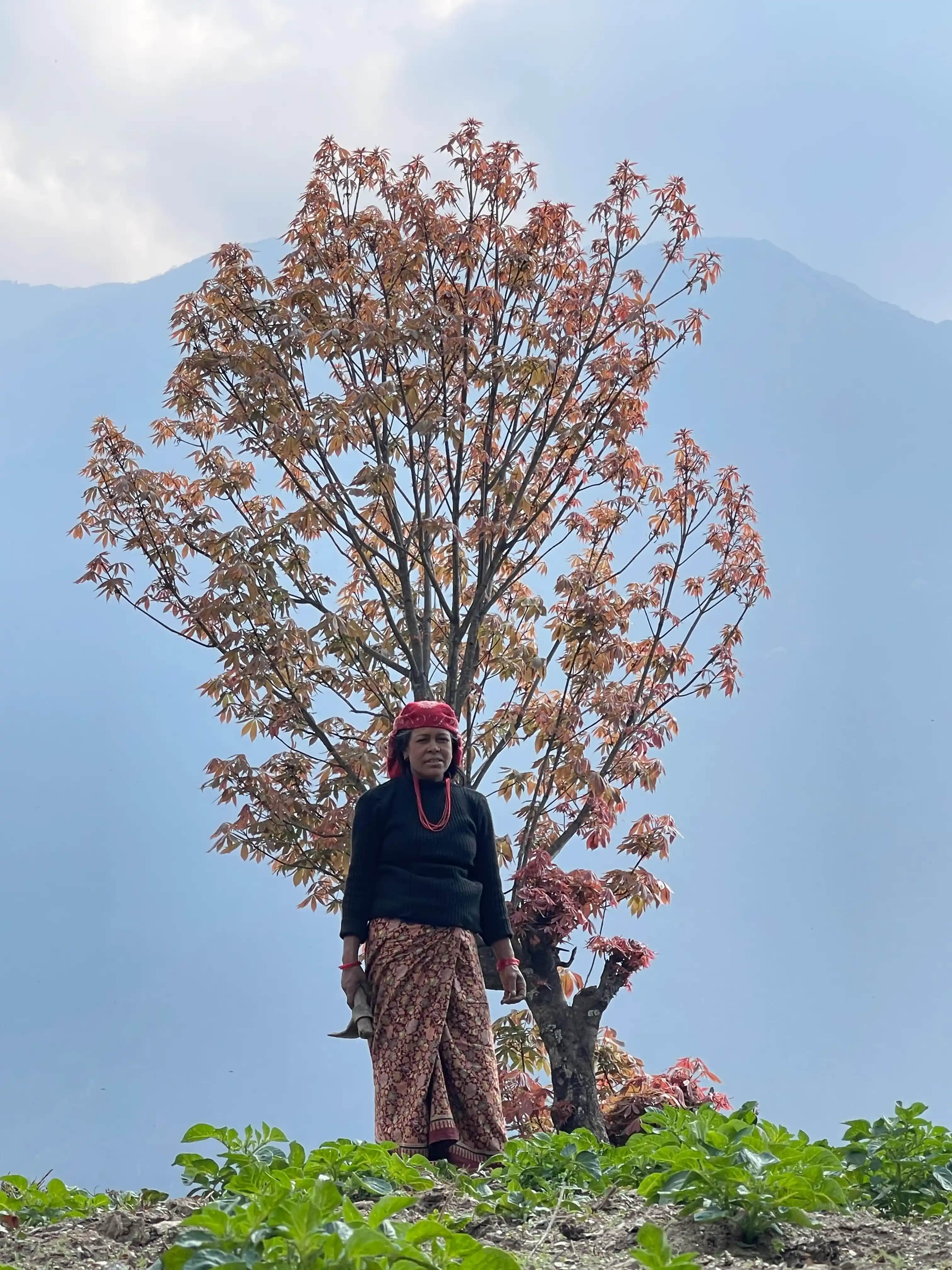
- Get absorbed by the life of a Gurung village as their smiles, colorful culture, and dress have an unforgettable effect.
- Visit the Annapurna Conservation Area, a virgin world-famous rhododendron and alpine meadow with elusive wildlife, including red pandas, langurs
- Relax at some of nature's finest spots and overlooks, including Tadapani, Chomrong, and Bamboo, where you leave breathless waterfalls, forests and mountains all within your sight.
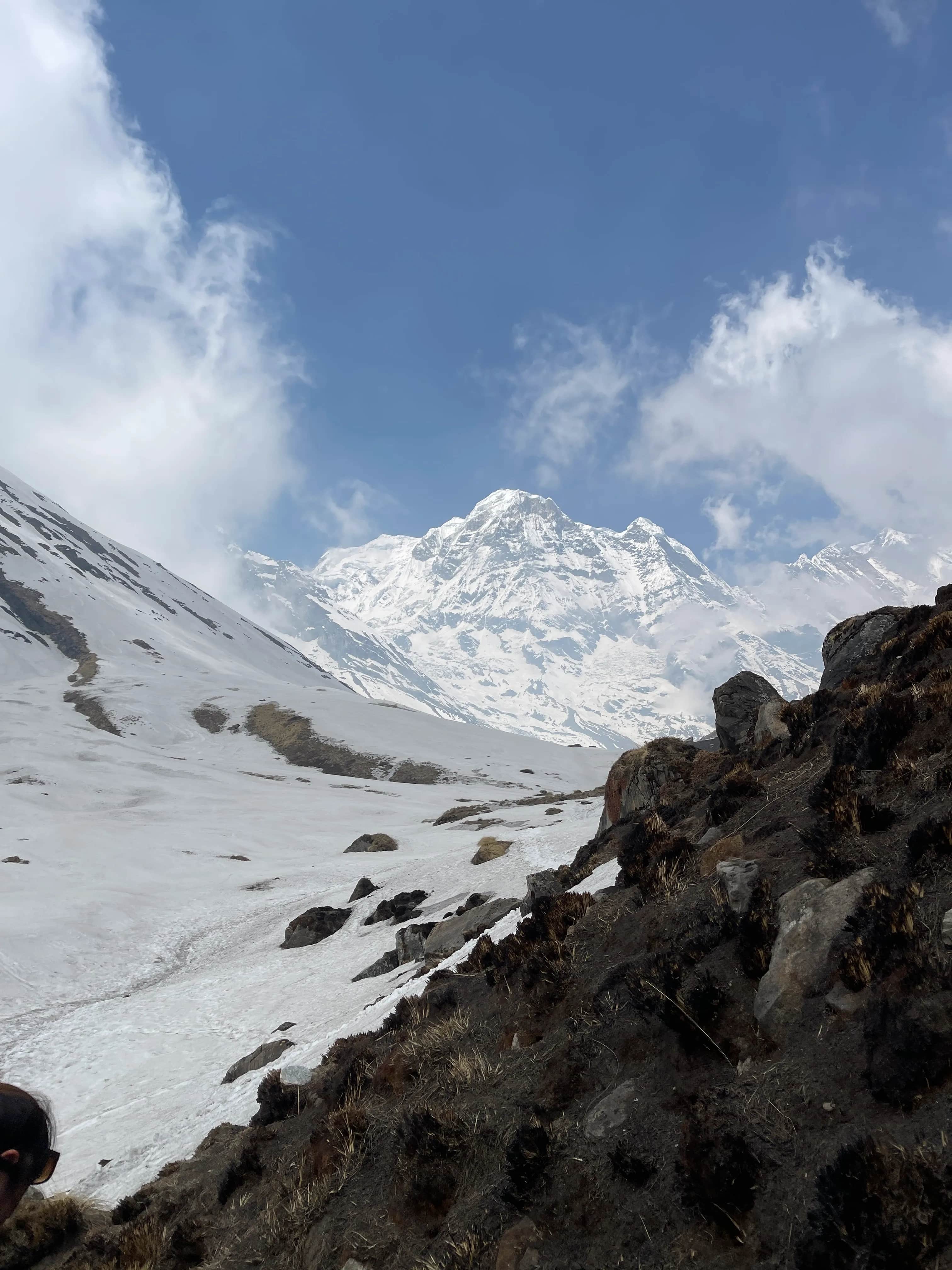
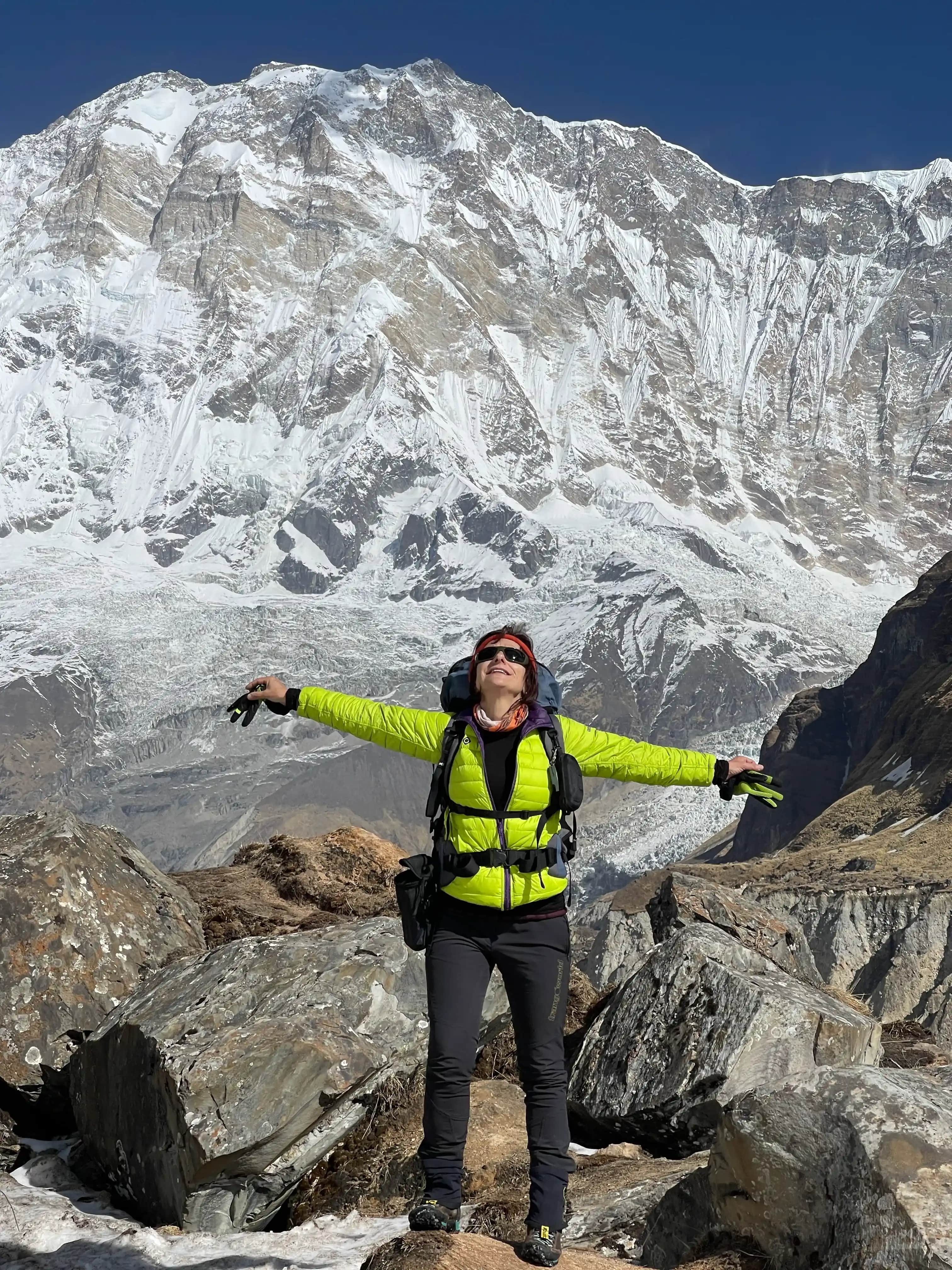
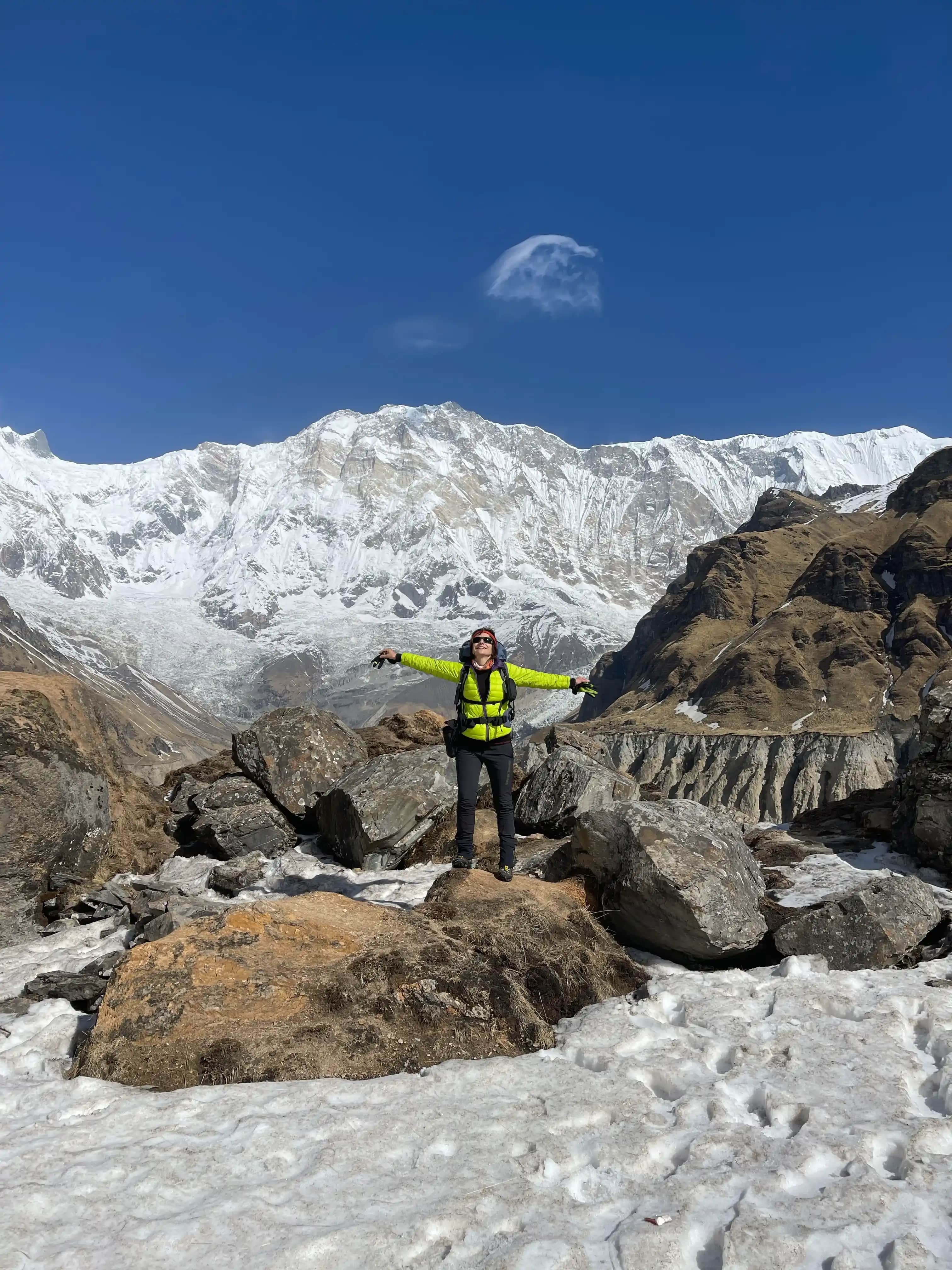
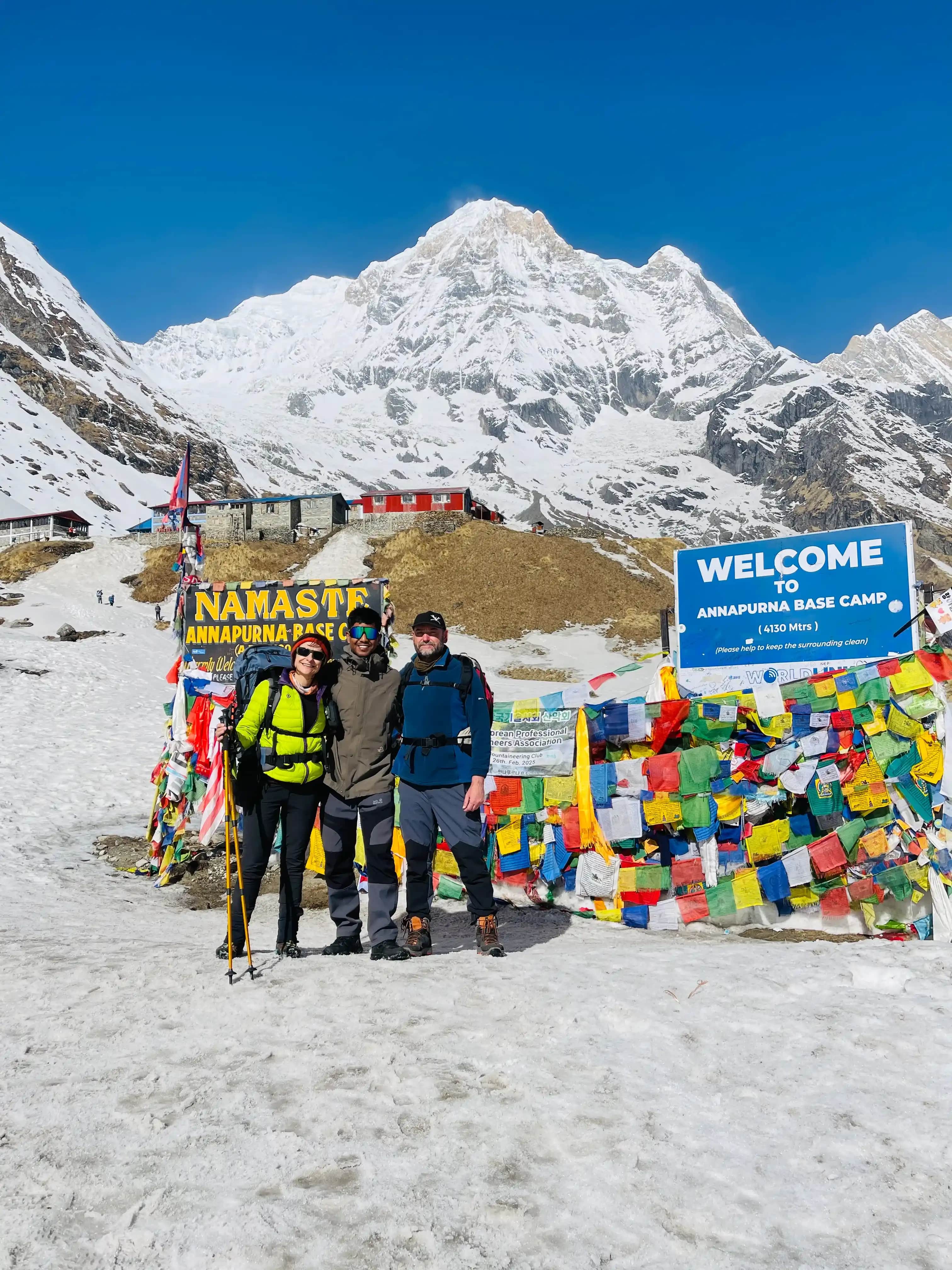
- Be speechless in front of the Annapurna base camp, amazed by the number of peaks towering around you and the power, calmness, and mysticism of the Himalaya all in one moment.
The 10-day Annapurna Base Camp (ABC) trek is a mixture of nature and culture of breathtaking beauty. It begins with a drive up to Birethanti, after which you take a trek to Ulleri through the villages, terraced farms, waterfalls and forests. Leaving Ulleri, the trail will wind up to Ghorepani, the beautiful mountain-view location, and through the colorful rhododendron forests and traditional villages will reach Tadapani. Then you arrive in Chhomrong, a busy, mountain village and finally, Dobhan, which is quiet and encompassed by serene scenery.
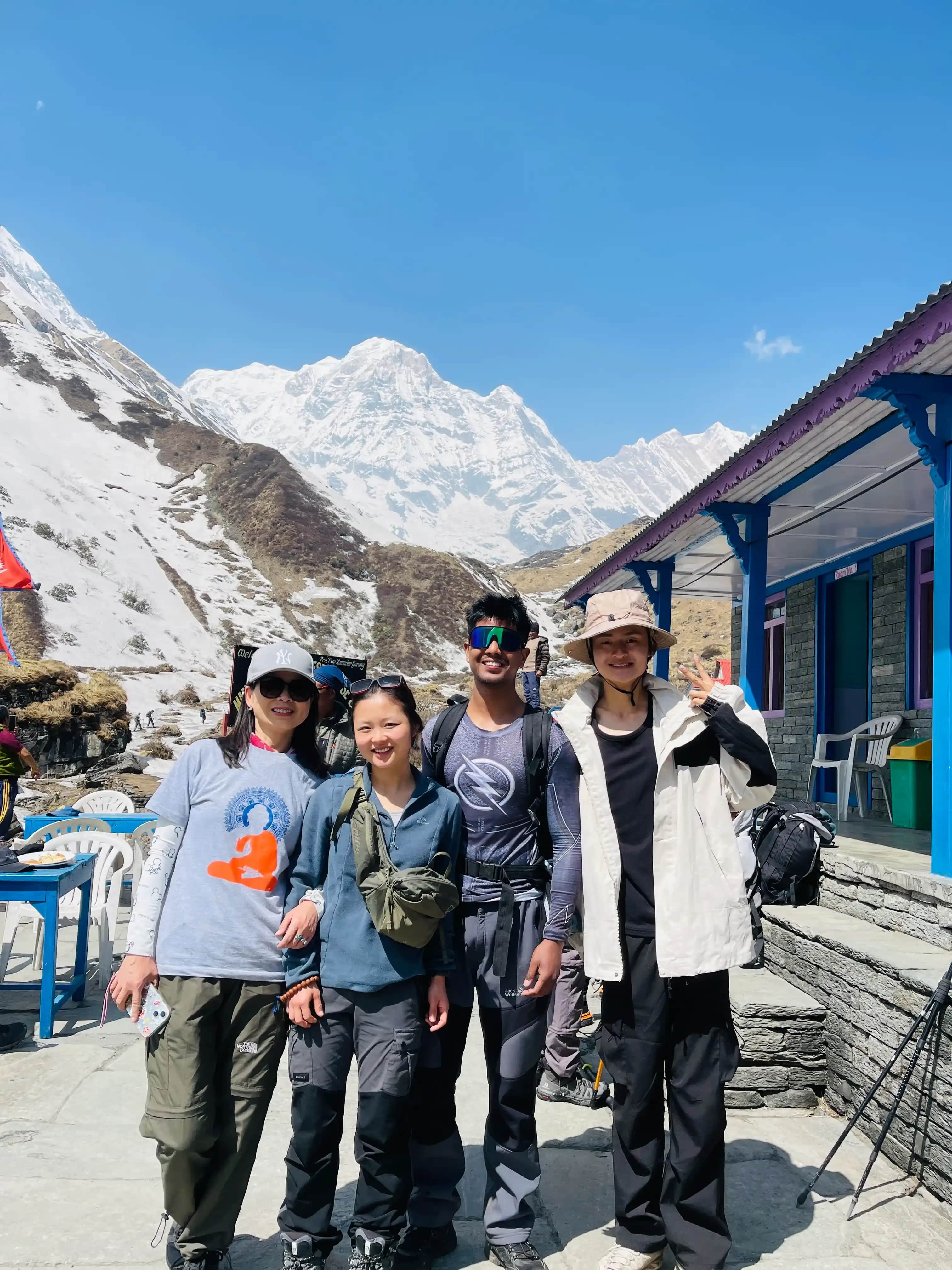
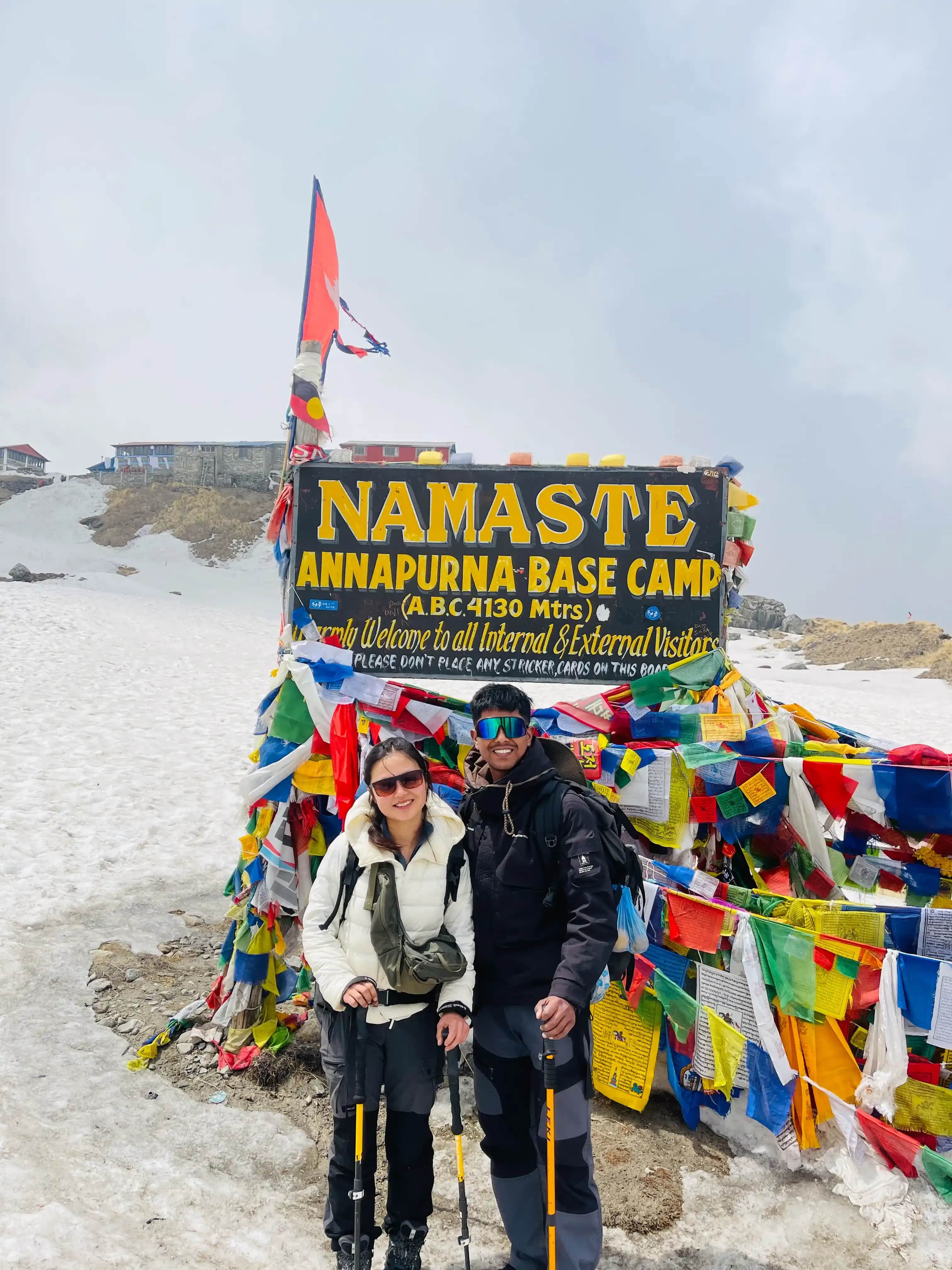
The peak moment is at Annapurna Base Camp at 4,130 meters above sea level, and a view of these giant mountains looms, including Annapurna I, Machhapuchhre (Fishtail) and Gangapurna--an experience that will remain engraved in your mind forever.
In addition to that, you also spend a day sightseeing and acclimatizing and then the descent is made via Bamboo or Deurali to Naya Pul and back to Pokhara.
Trekkers pass through more than 55-60 km, and this route offers a good deal of village life, beautiful forests, cascades, terraced slopes, and mountain vistas of the Himalaya.
This trek is filled with teahouse accommodation on the way, where one can have an easy trek and in 10 days have the right mix of adventure, culture and natural scenic beauty.
- Day01Day 1: Fly to Pokhara (822 m)
Take rest by the Phewa Lake, visit the lakeside and get ready for the trek.
- Day02Day 2: Birethanti to Ulleri trek (2,050 m | 5-6 hrs)
A drive to Birethanti, then the trail passes through villages, waterfalls and terraced farms to Ulleri.
- Day03Day 3: Hike to Ulleri to Ghorepani (2,875 m | 5-6 hrs)
Mountain view, climbing stone steps through rhododendron forests and passing through a couple of villages to step into Ghorepani.
- Day04Day 4: Trekking to Poon Hill and walking towards Tadapani (2,630 m | 6-7 hrs)
Early morning hike to Poon Hill (3,210 m) to view the sunrise over Dhaulagiri and Annapurna, and trek to Tadapani.
- Day05Day 5: Hike to Tadapani to Chhomrong (2,170 m | 5-6 hrs)
Make a descent through forests and small settlements and climb to the honeybee village of Chhomrong which will be a center of activity.
- Day06Day 6: Chhomrong trek to Dobhan (2,600 m | 6 hrs)
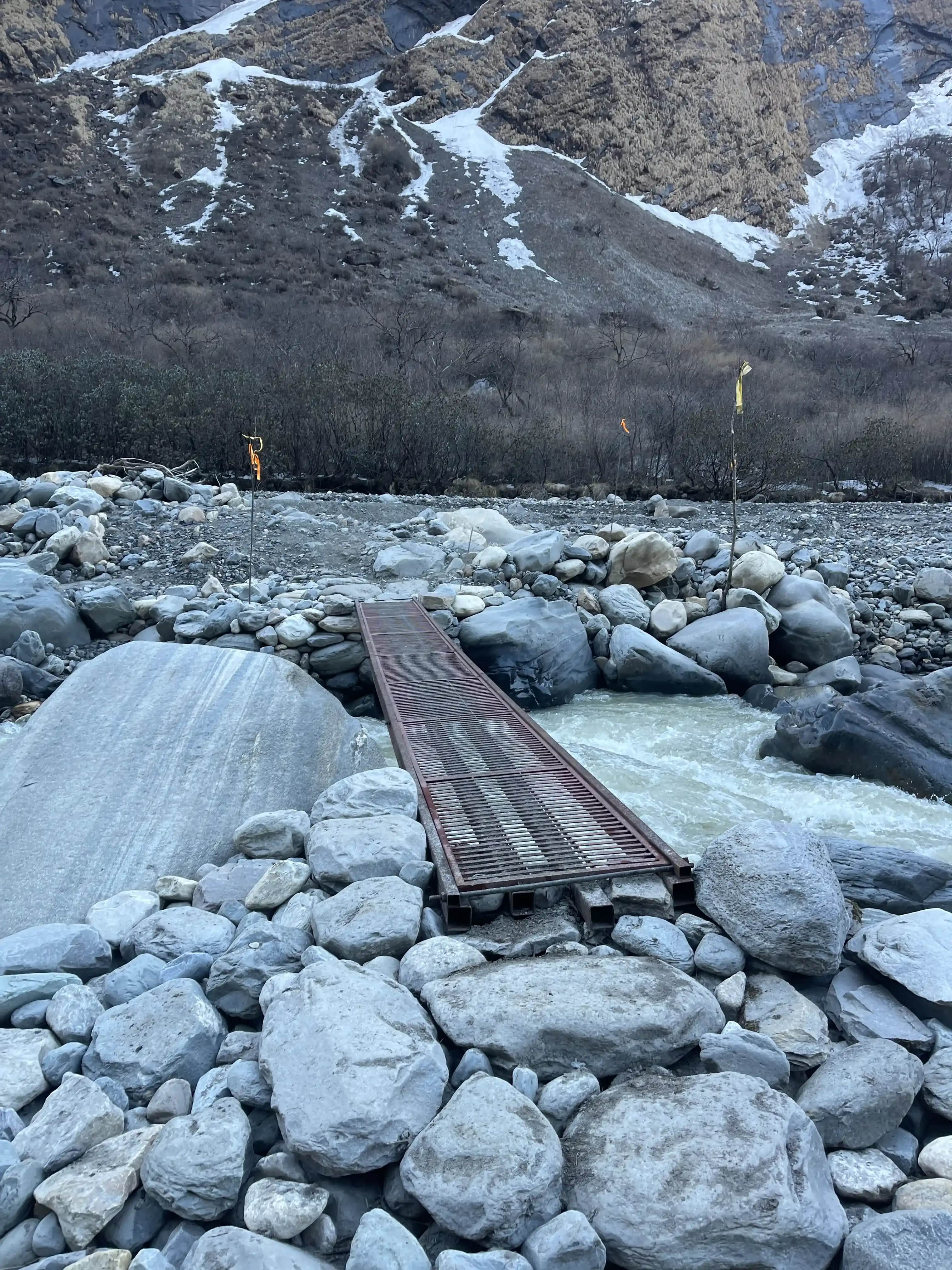
Follow stone steps, bamboo forests and loop through riverside paths to make it to Dobhan.
- Day07Day 7: Dobhan trek to Annapurna Base Camp (4,130 m | 7 hrs)
Trek onwards through Deurali and Machhapuchhre Base Camp to Annapurna Base Camp, which commands such huge mountains around it.
- Day08Day 8: Back to Bamboo (2,310 m | 6-7 hrs)
Walk on the trail of the Modi Khola valley and stop at Bamboo.
- Day09Day 9: Trek Bamboo to Jhinu Danda (1,760 m | 5-6 hrs)
Descend by trek to Jhinu Danda, to enjoy natural hot mineral springs by the river.
- Day10Day 10: Walk to Naya Pul and to Pokhara (6 hrs)
Walk back to Naya Pul and drive the journey back to Pokhara.
- Private car transfers for both international and domestic airport arrivals and departures, ensuring smooth logistical support throughout the journe
- Three freshly prepared meals per day, breakfast, lunch, and dinner—served at trekking lodges during the mountain tr
- Two nights’ accommodation in Kathmandu at a comfortable 3-star category hotel, based on twin-sharing occupancy, including daily breakfast.
- Services of an experienced, English-speaking, government-licensed trekking guide with in-depth knowledge of the Annapurna region.
- Reliable and well-equipped Sherpa porters to assist with luggage, provided at a ratio of one porter for every two trekkers. All porter-related costs—including wages, meals, accommodation, and insurance—are included.
- Round-trip domestic flights between Kathmandu and Pokhara, including applicable airport taxes.
- All required local transportation by private car or jeep, including transfers from Pokhara to Nayapul and from Jhinu Danda back to Pokhara.
- Full coverage of all food, accommodation, insurance, and transportation expenses for trekking guides and porters.
- All mandatory trekking permits, including the Annapurna Conservation Area Permit (ACAP) and TIMS (Trekking Information Management System) card.
- Use of essential trekking equipment such as a sleeping bag, down jacket, duffel bag, and trekking poles (if required), to be returned after completion of the trek.
- Accommodation in standard trekking lodges (tea houses) throughout the trekking route.
- Accommodation Notice: During peak trekking seasons (mid-March to late May and mid-September to late November), tea houses in popular stops such as Himalaya, Deurali, Machhapuchhre Base Camp (MBC), Annapurna Base Camp, and Bamboo often operate on a shared-room basis (typically 4–5 beds per room). Private rooms may not be available due to high demand. Room sharing is standard practice in these regions during peak periods.
- For groups of more than eight trekkers, an additional assistant guide will be assigned to enhance safety and coordination.
- Fresh seasonal fruits served daily during the trek.
- A Himalaya Vibes Certificate of Appreciation awarded upon successful completion of the trek.
- A complimentary Himalaya Vibes trekking T-shirt as a souvenir.
- Use of an oximeter to monitor oxygen saturation, pulse, and heart rate twice daily, supporting early detection and management of Altitude Mountain Sickness (AMS).
- Assistance with arranging emergency rescue and evacuation in case of serious health conditions. All rescue and evacuation costs are to be covered by the client’s travel insurance.
- A detailed briefing prior to departure covering itinerary overview, altitude safety, trekking guidelines, and equipment checks.
- Continuous coordination and local support from the Himalaya Vibes operations team throughout the trek.
- Lunch and dinner in Kathmandu and Pokhara are not included unless specifically stated.
- Nepal entry visa fees are excluded. Visas are available on arrival at Tribhuvan International Airport (Kathmandu). Current fees are USD 30 (15 days), USD 50 (30 days), and USD 125 (90 days), subject to change by the Government of Nepal.
- Personal travel and medical insurance is not included. Insurance must cover high-altitude trekking, emergency evacuation, and medical treatment.
- International flights to and from Nepal are excluded from the package price.
- Any personal expenditures such as shopping, souvenirs, laundry, or other discretionary spending are not included.
- Costs for alcoholic and non-alcoholic drinks—including tea, coffee, hot chocolate, cocoa, mineral water, soups—as well as any additional food or drinks purchased during the trek or at tea houses are excluded.
- Desserts and sweet items such as chocolates, cakes, pies, and puddings are not included.
- Fees for hot showers and electronic device charging at trekking lodges and tea houses are excluded.
- Tips for guides, porters, and drivers are not included. Tipping is customary in Nepal and is provided at the traveler’s discretion.
- Any additional costs arising from delays or changes caused by weather conditions, natural events, flight cancellations, health issues, or government restrictions are excluded.
- Expenses incurred due to early departure from the trek for personal, medical, or other reasons—including accommodation, meals, or transport—are not refundable and will be borne by the client.
Your trekking experience greatly depends on the weather in the Annapurna region. The trail takes place at a broad range of altitudes, stretching from jungle-covered low-lying areas as well as mountains in the Himalayas; consequently, the conditions might shift rapidly, and every season is special in its way. Knowing the seasons of the year is useful since you will know how to plan to have clear visibility, favorable temperatures, and safe walks.
The most popular season is Autumn (SeptemberOctober November) when you will find clear skies, reasonable temperatures, and great views of the Himalayan peaks.
During this season, photography and panoramic mountain sightseeing are ideal. Spring (March-May) is also a good time to hike the trail, with warm days, cool nights, and a blossoming rhododendron forest providing color and life along the route. Winter (December through February) is cold and sometimes snowy at higher altitudes, with reduced crowds and a quieter experience, but appropriate equipment is needed. Monsoon (June-September) makes the region a beautiful green paradise, but makes it almost impossible to trek due to wet trails, slippery paths and overcast mountains.
- Autumn (September-November) - clear skies, the best visibility, the most acceptable conditions in October
- Spring (March-May) - Flowering rhododendrons, comfortable climatic conditions, colorfulness of nature
Your trekking experience greatly depends on the weather in the Annapurna region. The trail takes place at a broad range of altitudes, stretching from jungle-covered low-lying areas as well as mountains in the Himalayas; consequently, the conditions might shift rapidly, and every season is special in its way. Knowing the seasons of the year is useful since you will know how to plan to have clear visibility, favorable temperatures, and safe walks.
The most popular season is Autumn (SeptemberOctober November) when you will find clear skies, reasonable temperatures, and great views of the Himalayan peaks.
During this season, photography and panoramic mountain sightseeing are ideal. Spring (March-May) is also a good time to hike the trail, with warm days, cool nights, and a blossoming rhododendron forest providing color and life along the route. Winter (December through February) is cold and sometimes snowy at higher altitudes, with reduced crowds and a quieter experience, but appropriate equipment is needed. Monsoon (June-September) makes the region a beautiful green paradise, but makes it almost impossible to trek due to wet trails, slippery paths and overcast mountains.
- Autumn (September-November) - clear skies, the best visibility, the most acceptable conditions in October
- Spring (March-May) - Flowering rhododendrons, comfortable climatic conditions, colorfulness of nature
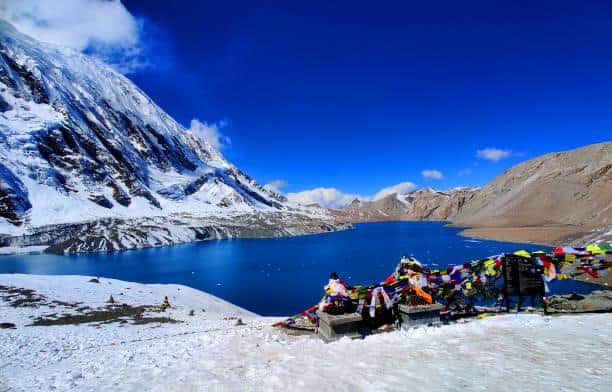
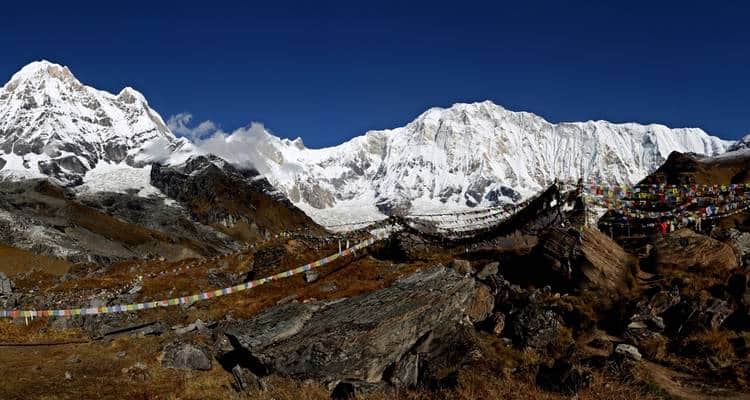
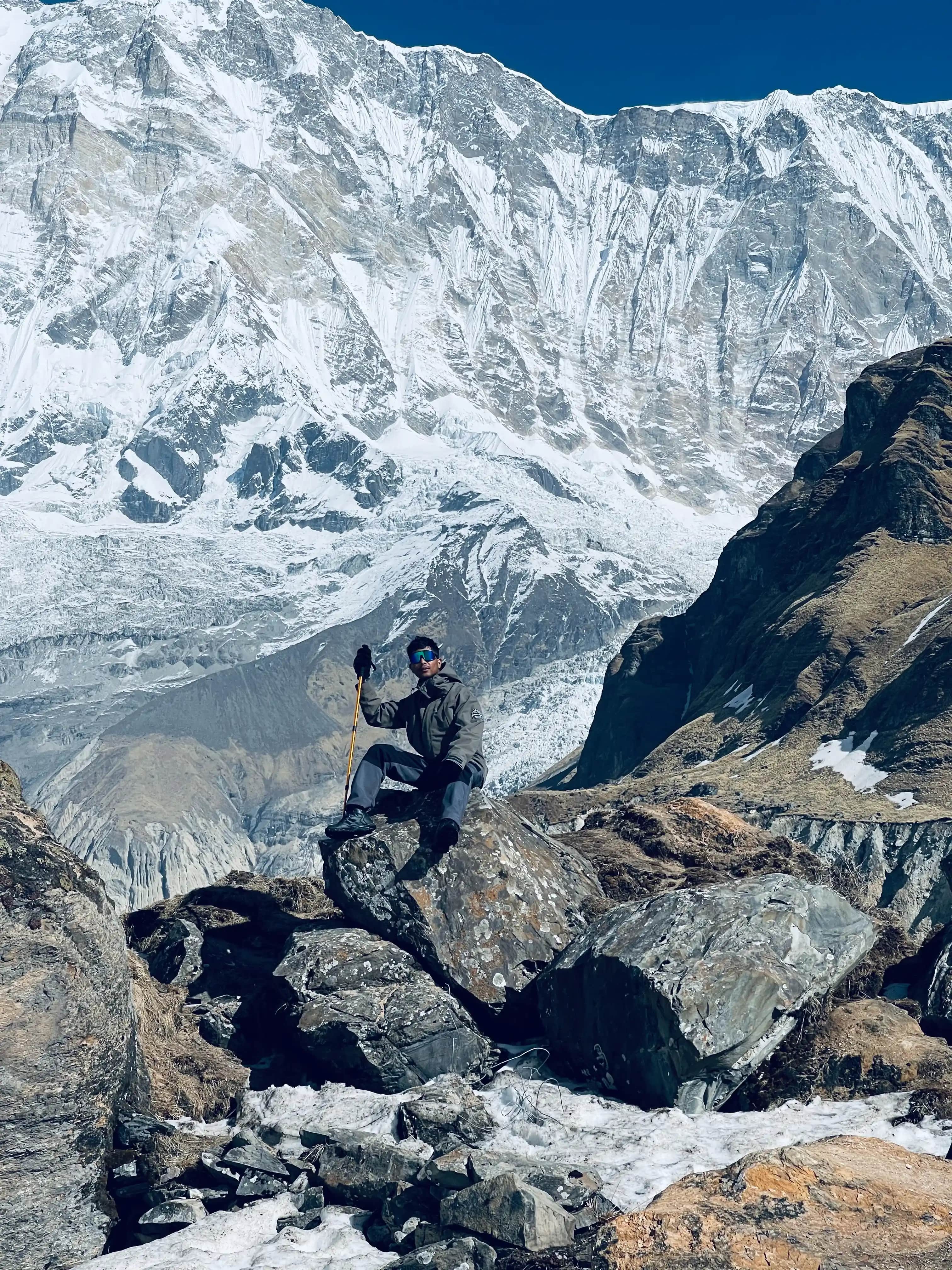
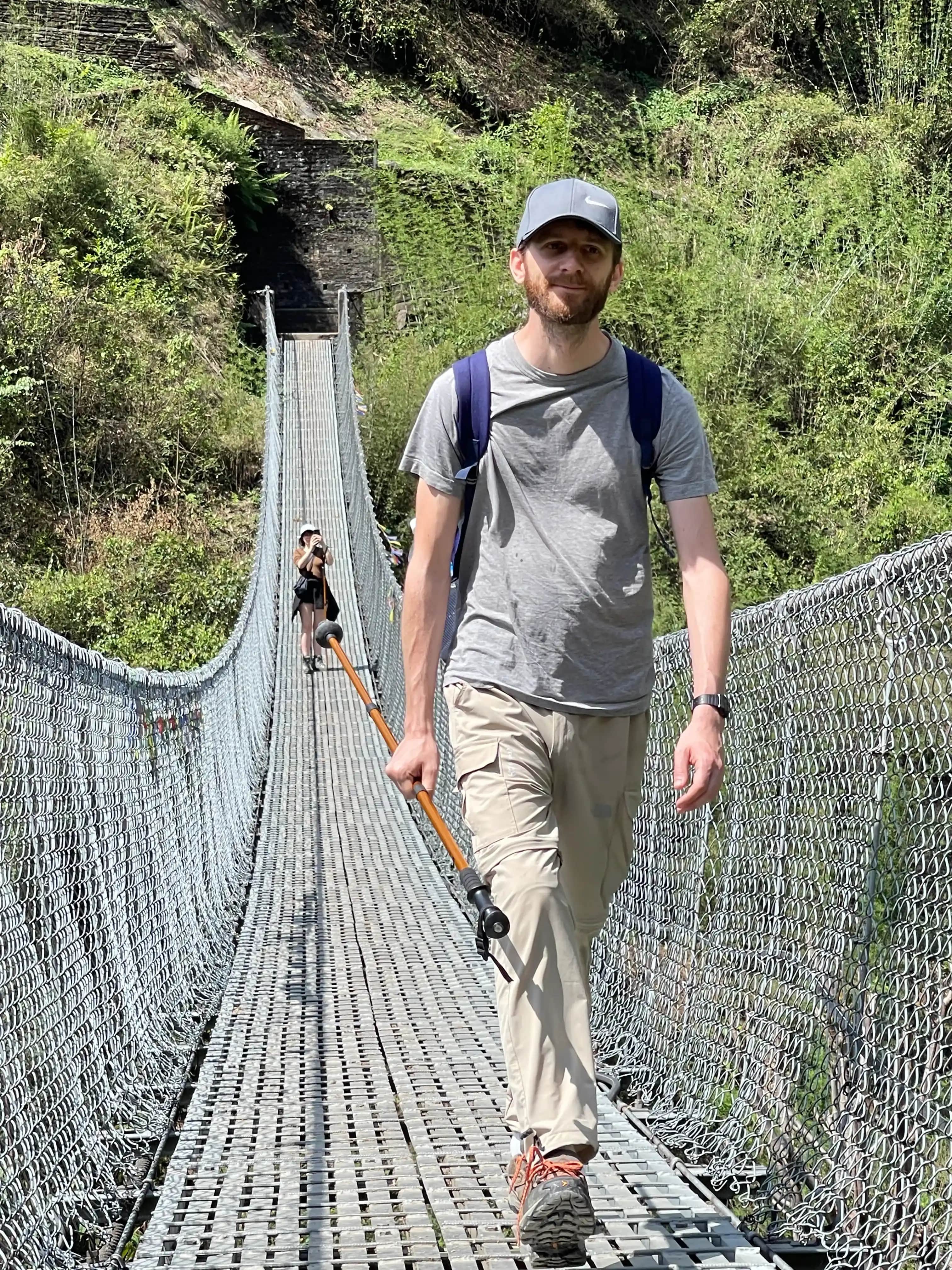
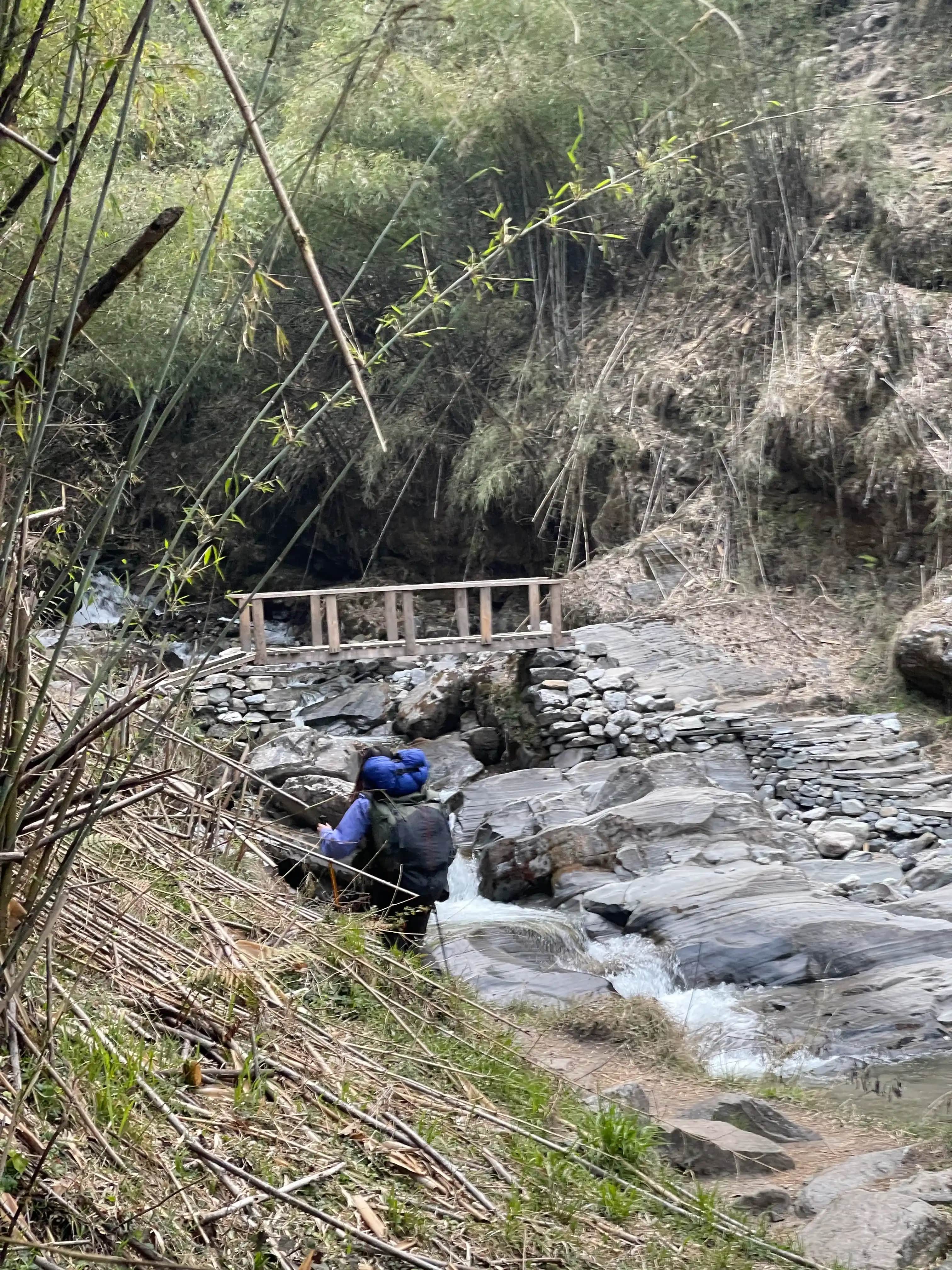
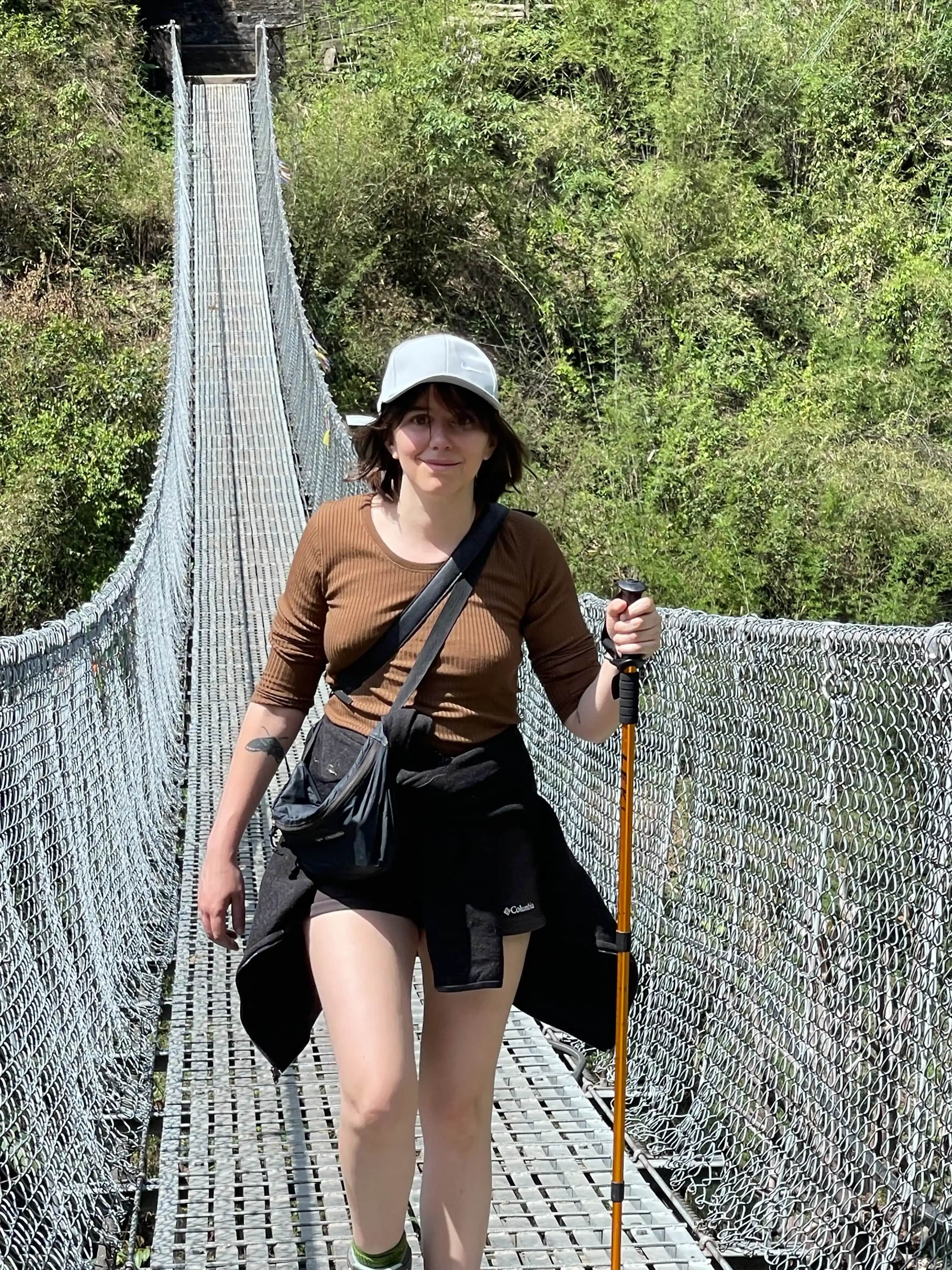
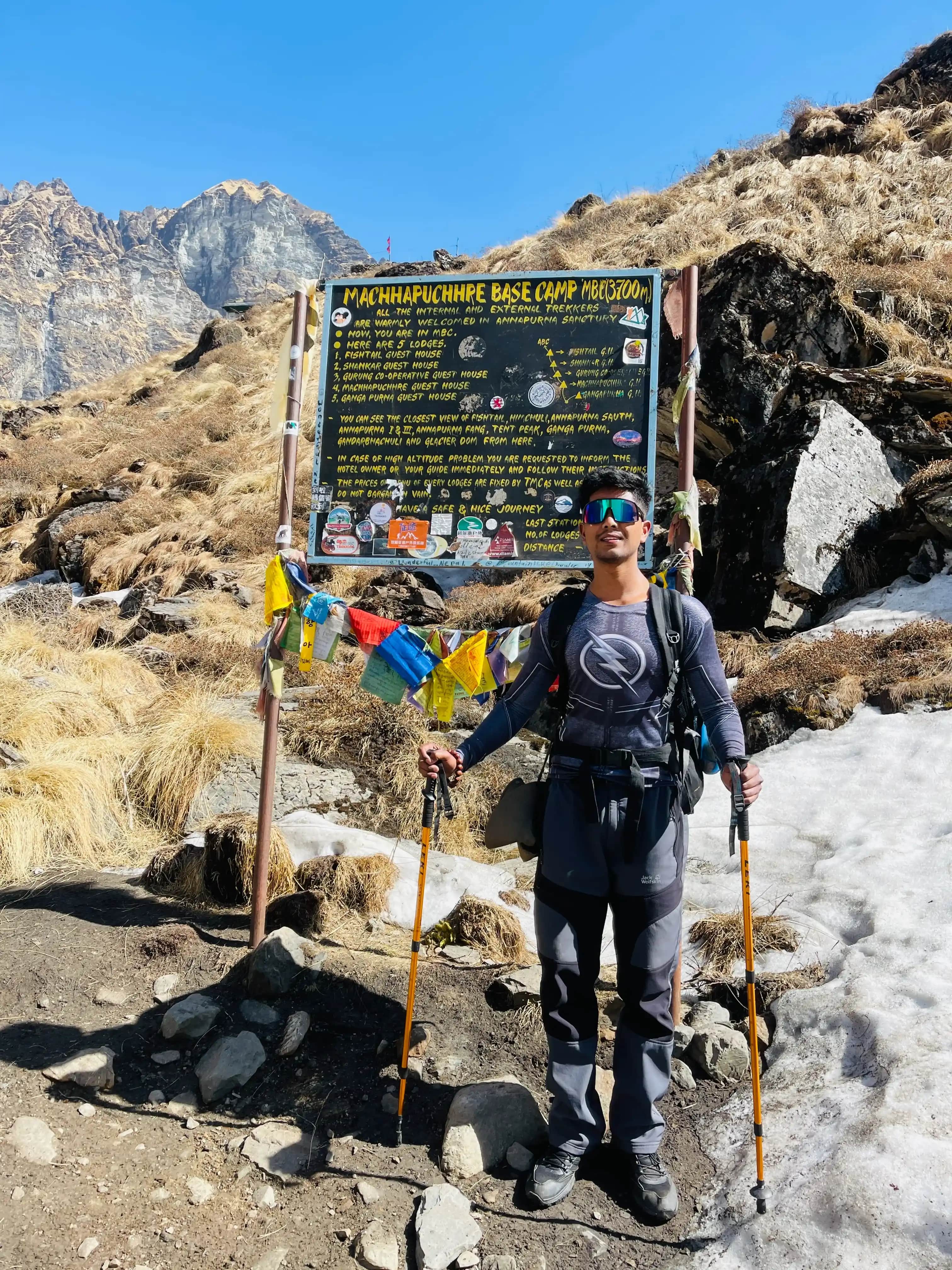
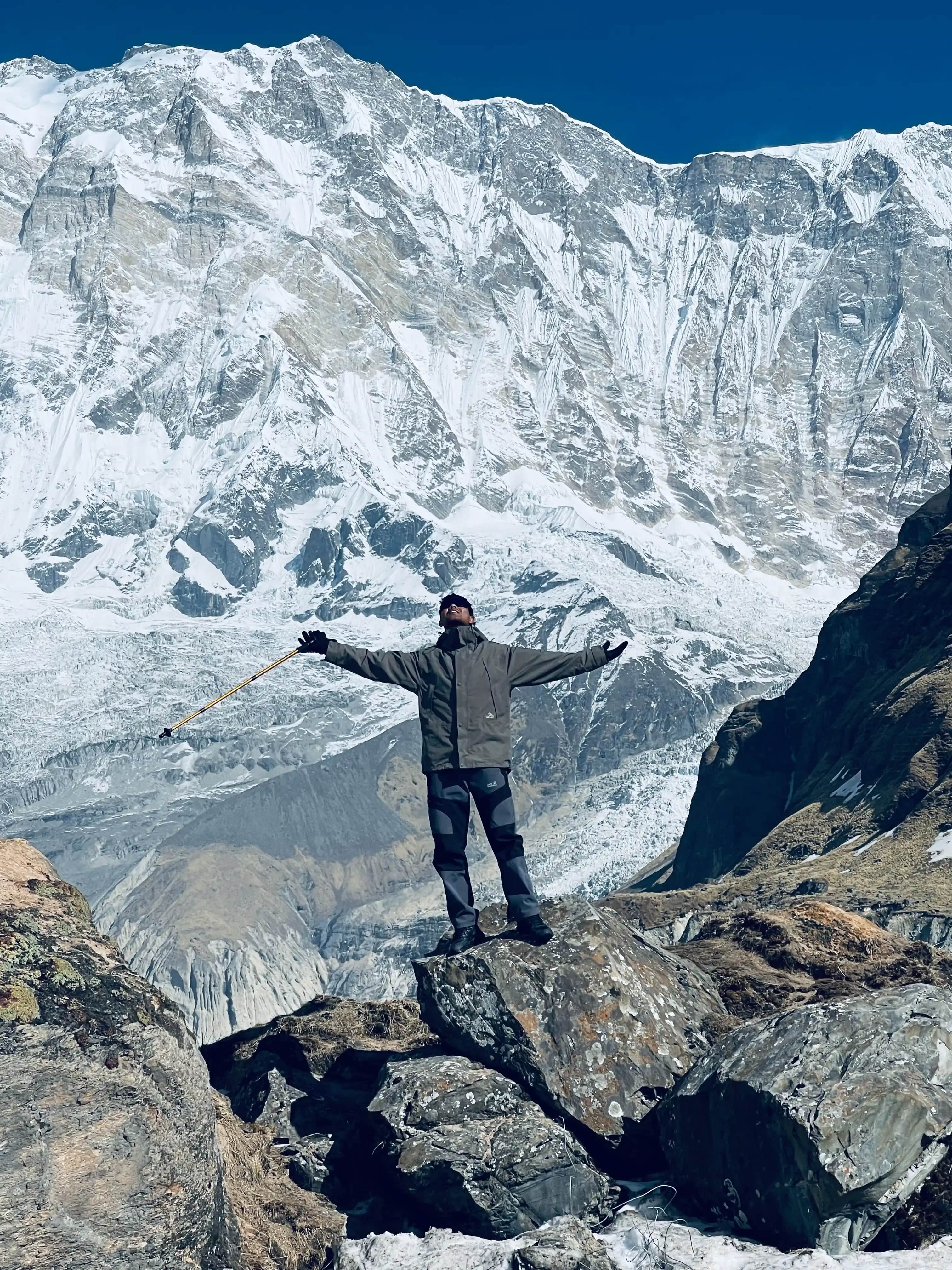
How Difficult is the Annapurna Base Camp Trek?
The Annapurna Base Camp (ABC) Trek is moderately difficult and is therefore suitable to beginners with a little bit of fitness; it exhausts your endurance and stamina as well. Less strenuous portions of the trek include the initial parts of the trail starting at Birethanti that proceed through forests, villages and calm hills, and some parts of the trail after Dobhan to Bamboo are less steep and are mostly flat and pretty.
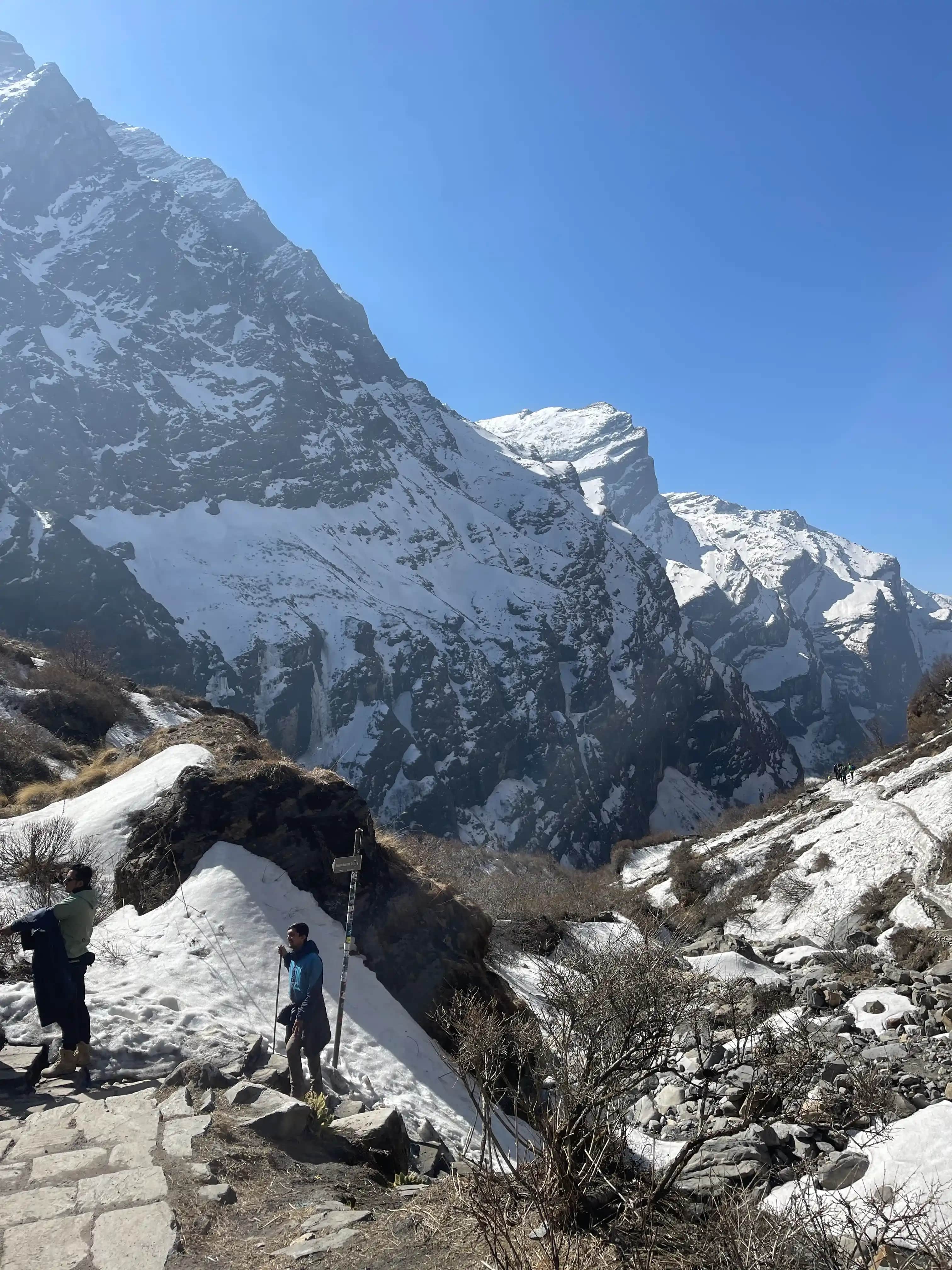
The trickier parts are the steep ascents to Ghorepani via Ulleri, a very long network of stairs, and the trail that leads to Annapurna Base Camp, which comprises steep paths, rocky grounds and high altitudinal conditions.
The trek is as high as 4130 m at Annapurna Base Camp, which can be a problem for some as altitude sickness. There is an average of 5-7 hours of walking a day, with some long treks exceeding 8 hours, so it requires a decent physical and mental fitness level.
Narrow trails, uneven terrain, and the fact that you have to supply your own energy and motivation when on back-to-back trekking days are some of the difficulties that may be encountered.
Things to Know Before Trekking to Annapurna Base Camp
The Annapurna Base Camp (ABC) Trek is an adventure of a lifetime where you will get enchanted by the mountain views, colorful villages, and connect with nature. A few preparations are necessary in order to make the trek pleasant and trouble-free.
Trekking Permits
All necessary permissions will be arranged by your guide using your passport. There are two types of permits that you will need to enter the Annapurna region, and that you can acquire in advance in Kathmandu or Pokhara before starting out on the trek:
- TIMS (Trekkers Information Management System) Card- £2,000 Nepali rupees. Since the updated rule, it can now only be purchased through trekking agencies.
- Annapurna Conservation Area Permit (ACAP) -this will cost 3,000 Nepali rupees and is obtained either from the Nepal Tourism Board in Bhirkutimandap, Kathmandu or Pokhara.
With these permits, your trek will be legal, plus will help contribute towards the conservation of the Annapurna region.
Travel Insurance
It is advisable to have travel insurance. Make sure your policy is on coverage of
- Hospitalization and medical emergency
- High altitude helicopter evacuation
- Flight cancellation and or delays
- Delayed or lost tackle world of a bag
Insurance can range between USD 90 and 140, depending on how long you need it. A 2-week trek is common, and that requires a cover.
Physical Fitness
The ABC trek is fairly difficult, a trek that a beginner in decent shape can handle. Note:
The daily progression through the field takes 5 to 6 hours, along rough tracks including some steep ascents
Fitness level: Ability to jog 5 km in 30 to 35 minutes or cycle 15km in 45 minutes to feel at unit on the trail
Training: It is recommended that you do cardio and leg/core strength training 2-3 weeks in advance to make the trek more enjoyable and easier
Accommodation
The fact that there are plenty of tea houses on the way to the Annapurna Base Camp makes this trek easy since you do not have to carry the tents and cooking material with you. Lower altitude and more utilized trails feature pleasant tea houses that have electricity, Wi-Fi, hot showers, and packing bathrooms, whereas higher up the slope, the simpler lodges have main rooms with fundamental squat toilets. Some minor charges for Wi-Fi or hot water usually exist. To help you stay warm at night when it is cold, you will have a clean sleeping bag which has a warmth rating of -20degrees Celsius.
Meals During the trek
You will find food on the trail delicious and plentiful. Traditional Nepali food such as Dal Bhat with unlimited refills, fried rice, noodles, Mo Mo dumplings, and Thukpa noodle soup can be enjoyed, as well as western meals like pasta, pizza, burgers and potatoes. Breakfast choices include Tibetan bread and chapatti with curry to eggs, porridge, muesli and pancakes. The trek would be vegetarian, vegan and special dietary needs can be communicated with your guide. Included in your package are dinner in Kathmandu before starting the trek and three meals per day on the trail, including tea or coffee, with additional snacks, desserts, or other special drinks available to purchase.
Transportation
All your transport will be included in your trekking package. Pokhara can be reached by bus, microvan, tourist bus, private vehicle or flight (USD 105 per person)from Kathmandu. Base points of the trek are Nayapul, Birethanti, Hile, Tikhedhunga and Banethanti. Local buses are more immersive, though they can be very slow and crowded, whereas renting your own vehicle will be more comfortable and flexible.
Charging, Connectivity and Internet
The majority of tea houses also offer electricity or solar power to charge devices, but it is better to bring a power bank. Cell phone coverage is largely serviced by NCELL or Nepal Telecom, with cell phone SIM cards fairly readily available in Kathmandu. Most tea houses have Wi-Fi available (2-3 dollars/night), but the connection may be unreliable depending on the weather and location.
Porters
It is not necessary, but highly recommended to hire a porter as you travel with a light day pack. A porter can only carry 20 kg of weight shared between the two of you, and this gives you time to concentrate on the trek rather than burdening yourself with a heavy load. Your guide can also facilitate the hiring of a porter in the event that he/she is required
Nepali Currency Payments
Nepal is on the rupee, but the currencies such as USD, AUD, GBP, CAD, SGD, and Euros could be easily converted in Kathmandu or Pokhara. The larger hotels, shops and restaurants accept credit and debit cards at a 3.5 per cent surcharge. There are numerous ATMs, mainly in Thamel, with a limit of withdrawal on a daily basis between Rs 10,000 and Rs 35,000 and standard fees.
Trekking Gear
Clothing
- Rain coat, poncho or combination jacket/trousers
- Down jacket / Gore-Tex jacket
- Down jacket (unless you have a down vest )
- Rainproof, or windproof trousers
- Hiking pants (2 pairs are recommended)
- Shorts (2pcs)
- T-shirts (4- 5, as per the day of trek)
- MIT/fleece jacket
- Base layers (thermal down-jacket)/thermal coats (1-2 sets, depending on time)
- Gloves: light fleece and waterproof/windproof (2 pairs)
- Underwear
Footwear
- Water-resistant, ankle support trekking boots
- Bare feet or moisturizing sandals and sneakers (to spend the off-time around camp)
Accessories & Equipment
- Sunglasses
- Lip balm and Question mark Sunscreen
- Sun hat, woolen/beanie/fleece hat
- Neck gaiter
- First aid Fritton
- Swiss army knife (option)
- Luggage cover
- Headlamp
- Trekking poles
- Gaiter (optional)
- Micro crampons (not mandatory)
- Chlorine detoxification tablets or Steripen
- Spare batteries and Love2travel Adapter
- Power bank
- Bottles of water/camel bag/thermos
- Multi purpose soap /Shampoo
- Tiny towel, antiseptic wash
- Hygiene products, and wet wipes
- Mosquito spray (optional)
- Whistle & earplugs
- Reading books, cards/chess
Sleeping Gear
- Sleeping bag -15/20
- Sleeping bag liner (cotton, silk,or fleece)
Bags & Packs
- JoinBackpack (60 liters)
- Daypack (25 -30 liters)
Give us a review
Pricing
Number of people
Price per person