



Destination
Nepal Tour
Duration
15 days and 14 nights
Difficulty
Strenuous
Max. Elevation
5595 m
Group Size
Max. 10 pax
Accommodation
Standard Options
Vehicles
N/A
Food
No bed or meals included
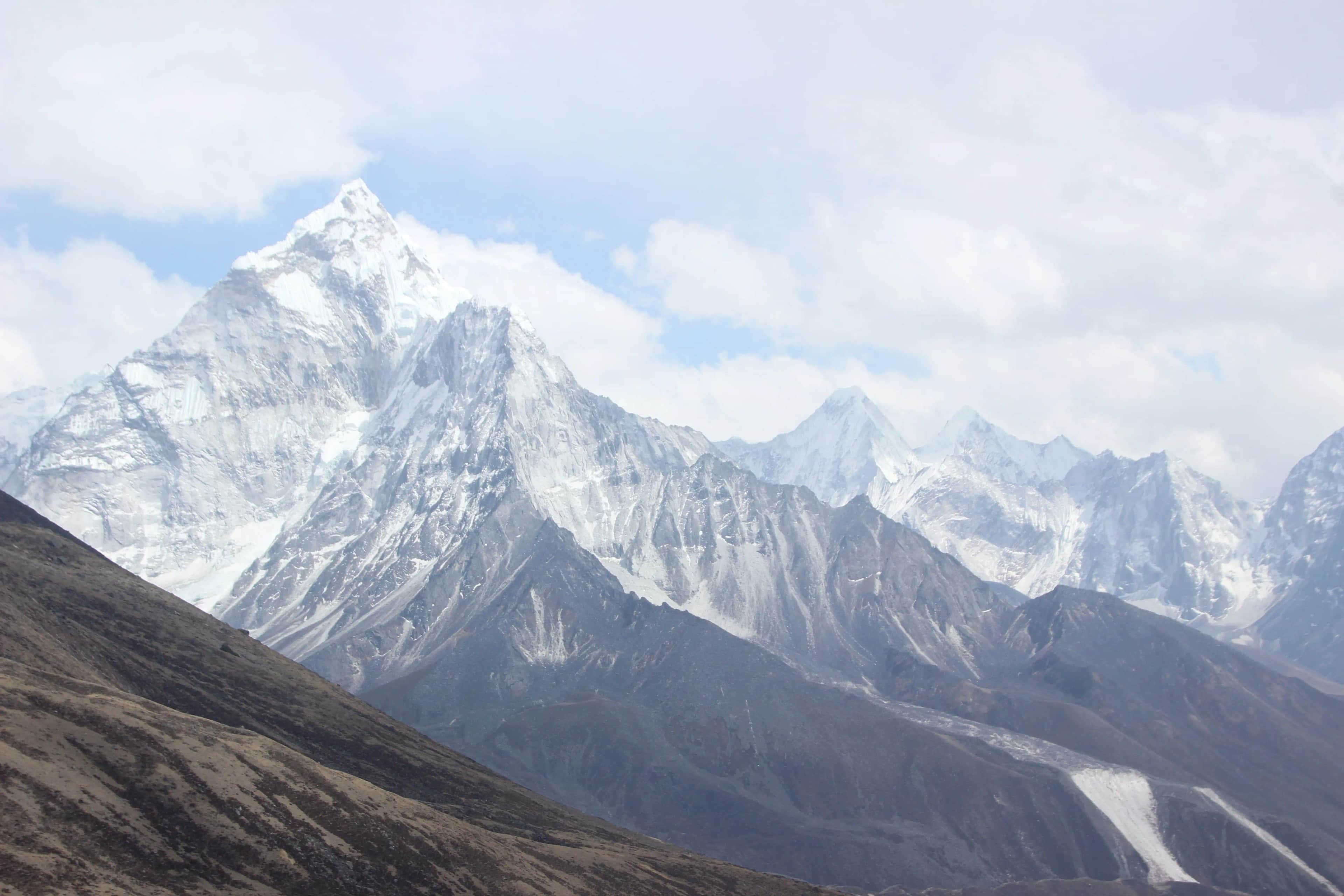
The Nar Phu Valley Trek is a journey into one of the most remote and culturally diverse areas in Nepal, where trekkers can explore ancient villages, high-altitude pastures, and breathtaking pastoral Himalayan scenery. The expedition is designed for individuals who seek a moderate and challenging experience, featuring rugged paths and sweeping mountain scenery, and includes Annapurna II, Gangapurna, Tilicho Peak, and the Manaslu Range. Trekkers can enjoy a combination of Tibetan-oriented culture, traditional villages, and natural beauty without being crowded with people on the well-trodden trekking paths.
This 16-day trip will cover Kathmandu city, the busy city to the peaceful and untouched valleys of Nar and Phu, which pass through high mountain passes such as Kang La (5,322m) and Thorong La (5,416m). You will pass through glacial streams, yak fields, ancient monasteries, and sacred chortens following an immersive experience of Himalayan life and Tibetan Buddhist culture. The journey concludes with a scenic flight from Jomsom to Pokhara with aerial views of the Annapurna region, and we will return to Kathmandu.
The Nar Phu Valley Trek is also a physically challenging trek that offers cultural enrichment to well-fit trekkers. You will have a comfortable stay at the tea houses, enjoy Nepali cuisine, and experience the hospitality of the locals.
- Scenic journey Kathmandu- Jagat.
- Visit the panoramic Nar and Phu Valleys, home to ancient traditions.
- Culture with the influence of Tibet, with visits to monasteries and street villages.
- Views of Annapurna II, Gangapurna, Tilicho Peak, etc.
- The mountain pass is the Conquer Kang La Pass (5,322m), an exciting high-altitude mountain pass.
The Nar Phu Valley Trek consists of two major routes to follow. The former is a lesser path that goes through Nar and Phu villages, crosses the Kang La Pass, and proceeds to Ngawal, then drives to Pisang, and finally heads back to Kathmandu. This path does not have to go through Thorong La Pass, which is more difficult, and it takes approximately 12 days.
The long route involves the Nar Phu Trek in addition to the portions of the Annapurna Circuits, crossing the Kang La and Thorong La Passes, trekking to Manang, and Muktinath and taking a flight between Jomsom and Pokhara and Kathmandu. This path will offer a more in-depth experience of the terrain, towns, and holy sites in the area and will take approximately 1618 days.
- Day01Day 1: Kathmandu to Jagat (1,290m / 4,232ft, 89 hours) by road
It starts with a scenic drive out of Kathmandu on the Prithvi Highway. The travelers pass through terraced fields, richly forested hills, and the Trishuli River, taking stops at Naubise for breakfast and at Mugling for breaks. This path continues to Besisahar, where it follows an unpaved road along the Marsyangdi River, passing through falls and suspension bridges, and ultimately leads to Jagat, the trekking access point to the Nar Phu Valley. One night stay in a small guesthouse.
- Day02Day 2: Jagat to Dharapani (1,830m / 6,004ft, 45 hours) Trek
The expedition begins on rocky roads, passing through small rivers and villages. The road slowly climbs through terraced farmlands and forests, offering a beautiful view of the surrounding hills. Dharapani Overnight in a nearby tea house in Dharapani.
- Day03Day 3: Hike between Dharapani to Koto (2,610m / 8,563ft, 56 hours)
Squeeze deeper into the Marsyangdi Valley, where there are few settlements and traditional villages. Enjoy the breathtaking views of snow-capped mountains as the trail becomes narrow, overlooking cliffs and streams. Overnight in Koto.
- Day04Day 4: Hike Koto to Meta (3,560m / 11,680ft, 78 hours)
The landscape is more rugged, and this route includes suspension bridges, heights and glacial streams. The climb to Meta offers panoramic views of the Annapurna range. Overnight at Meta.
- Day05Day 5: Meta to Phu Gaon (4,250m / 13,944ft, 67 hours) trekking
Entering the restricted zone of Nar Phu, trekkers reach the old village of Phu, where Tibetan culture, prayer flags, and stone houses predominate. Overnight stay at Phu Gaon.
- Day06Day 6: Hike Phu Gaon to Nar (4,250 m / 13,944 ft, 67 hours)
The path leads to Nar village, situated on steep hills with traditional structures. Evening out in the village and mingling with the village families.
- Day07Day 7: Nar (4,110m / 13,484ft) acclimatization
Get adjusted and adapted to altitude. Elective strolls in the village to prepare for the ready Kang La Pass.
- Day08Day 8: Walking Nar to Kang La Pass -Ngawal (5,322m / 17,461ft, 79 hours)
Winding through the Kang La Pass to spectacular 360-degree Himalayan sights. Down to Ngawal, a Tibetan-influenced traditional village.
- Day09Day 9: Hike between Ngawal and Manang (3,540m / 11,614ft, 34 hours)
Gradually descend to Manang, a Beautiful town and conservation sites and facilities, where one can continue the further acclimatization.
- Day10Day 10: Manang to Yak Kharka Trek (4,110m /13,484 ft, 34 hours)
Hike across high-altitude grasslands and meadows strewn with grazing yaks, with unadulterated high-altitude scenery.
- Day11Day 11: Yak Kharka to Thorong Phedi (4,600m / 15,092ft, 4-5 hours) trek
Arrive at the foot of Thorong La Pass, in readiness to cross the highest point on the more lengthy road.
- Day12Day 12: Trek Thorong Phedi to Thorong La Pass to Muktinath (5,416m / 17,769ft, 79 hours)
Cross the Thorang La Pass to experience an excellent Himalayan scenery, and then continue to the religious pilgrimage center of Muktinath.
- Day13Day 13: Hiking between Muktinath and Jomsom (2,760m / 9,055ft, 4-5 hours)
Trek down through the Kali Gandaki Valley to Jomsom to experience the diverse scenery and local culture.
- Day14Day 14: Air travel between Jomsom and Pokhara (830m / 2,723ft, 30 minutes)
Take a beautiful flight with the views of Annapurna, Dhauligiri and Muktinath Temple. Overnight in Pokhara.
- Day15Day 15: Kathmandu (1,324m / 4,344ft, 68 hours) to Pokhara drive
The trek concludes with a ride on an upscale tourist coach through the hills and valleys of central Nepal.
Airport & Local Transfers
- Private tourist bus transfers from Kathmandu to Jagat at the start of the trek.
- Transfers from Pokhara back to Kathmandu at the end of the trek.
Accommodation
- Kathmandu: Standard twin-sharing hotel with breakfast before and after the trek.
- Pokhara: Standard twin-sharing hotel with breakfast.
- Trekking Segment: Twin-sharing tea houses along the Nar and Phu Valleys. Basic facilities, shared bathrooms, and limited heating at high-altitude stops.
Meals
- During trek: Three meals daily (breakfast, lunch, and dinner) including Nepali and Tibetan cuisine.
- Tea and coffee during trekking days.
- Seasonal fruits and light snacks provided in the evenings.
Professional Guide & Staff
- Experienced, English-speaking, government-licensed trekking guide with knowledge of Nar Phu Valley’s high-altitude terrain and Tibetan culture.
- All guide expenses included: salary, meals, accommodation, transport, and insurance.
Sherpa Porters
- Optional porters at a ratio of one porter per two trekkers. Includes salary, meals, accommodation, insurance, and safety equipment.
Trekking Permits & Fees
- Annapurna Conservation Area Permit (ACAP).
- Nar Phu Restricted Area Permit (RAP).
- TIMS card (Trekking Information Management System).
Health & Safety Measures
- First-aid kit and medical supplies available during the trek.
- Emergency helicopter evacuation assistance can be arranged (costs covered by travel insurance).
- Oximeter provided to monitor pulse, oxygen saturation, and heart rate.
Trekking Equipment
- Use of sleeping bags, down jackets, duffel bags, and trekking poles (if needed, to be returned after trek completion).
Cultural & Scenic Exploration
- Visits to Nar and Phu villages, Kang La Pass, Ngawal, Manang, Thorong La Pass, and Muktinath temple.
- Interaction with local Tibetan-influenced communities, monasteries, and sacred sites.
Recognition & Branding
- Himalaya Vibes Trek T-shirt for all participants.
- Trek completion certificate provided after successful trek.
Taxes & Official Charges
All local and government taxes, service charges, and official fees included.
Optional Additions
- Pre-trek briefing covering acclimatization, itinerary, and safety measures.
International Airfare
Flights to and from Nepal.
Nepal Entry Visa
Visa on arrival at Tribhuvan International Airport, Kathmandu:
- USD 30 (15 days), USD 50 (30 days), USD 125 (90 days).
Meals in Kathmandu & Pokhara
Lunch and dinner in the cities, outside the trek itinerary.
Personal Travel & Medical Insurance
Insurance must include high-altitude emergency evacuation.
Personal Expenses
Snacks, beverages, souvenirs, laundry, phone calls, Wi-Fi, or other discretionary items.
Beverages & Extra Food During Trek
Alcoholic and non-alcoholic drinks, hot chocolate, coffee, tea, mineral water, or any additional food purchased in tea houses.
Desserts & Sweets
Chocolates, cakes, pies, puddings, and other sweets.
Hot Showers & Charging
Charges for hot showers or battery charging at lodges or tea houses.
Tipping / Gratuities
Tips for guides, porters, or drivers. While optional, tipping is customary and appreciated.
Excess Baggage
Additional charges for baggage exceeding airline or bus limits.
Optional Adventure Activities
Any activities not included in the official itinerary, e.g., paragliding in Pokhara.
Early Trek Termination
If trekkers leave early due to sickness or personal reasons, all payments for flights, hotels, meals, or trekking arrangements are non-refundable.
Equipment Loss or Damage
Any loss or damage to personal or rented trekking gear.
Unforeseen Circumstances
Costs arising from weather, landslides, political disturbances, strikes, or delays beyond control.
The Nar Phu trek requires precise timing to succeed. It is most preferable during the fall (September to November) when the weather conditions are clear, stable and the mountain scenes are dramatic. The spring (March-May) is also the best time, as it has moderate temperatures and blooming rhododendrons, which turn the trails a vibrant color. Winter (December to February) is not advisable due to heavy snowfall, extreme cold, and high risks at passes. Trekking is hazardous due to the frequent landslides, slippery trails, and poor visibility that occur during the monsoon season (June to August). When these windows are planned, the results are both safe and provide the best visual experience.
The Nar Phu trek requires precise timing to succeed. It is most preferable during the fall (September to November) when the weather conditions are clear, stable and the mountain scenes are dramatic. The spring (March-May) is also the best time, as it has moderate temperatures and blooming rhododendrons, which turn the trails a vibrant color. Winter (December to February) is not advisable due to heavy snowfall, extreme cold, and high risks at passes. Trekking is hazardous due to the frequent landslides, slippery trails, and poor visibility that occur during the monsoon season (June to August). When these windows are planned, the results are both safe and provide the best visual experience.
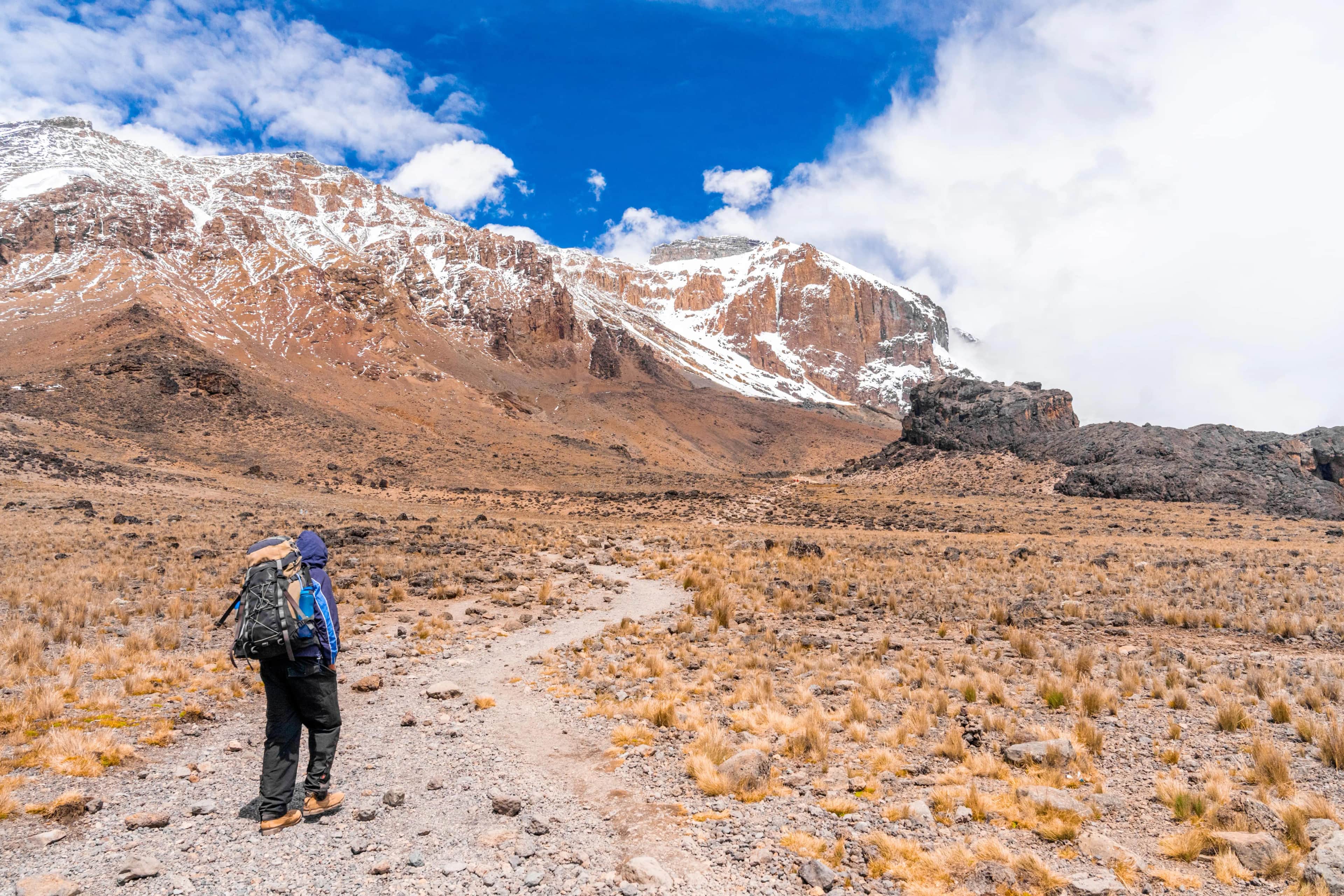
The Nar Phu Valley, located in remote Nepal in the Annapurna region, is a place where trekkers will encounter a rare blend of pristine scenery, ancient Tibetan culture, and challenging high-altitude paths. This is the journey of an adventure off-road, where one can visit ancient villages, climb mountain ranges, and experience the wonders of the Himalayan fascination.
However, its distance requires planning, preparation, and observing local traditions and the natural environment. The information below provides the necessary details to ensure trekkers can safely navigate the Nar Phu Valley and make the most of this once-in-a-lifetime journey.
Permits & Documentation
Trekker is required to obtain various permits to access Nar Phu Valley, which is a restricted zone. A permit called the Annapurna Conservation Area Permit (ACAP) is required for anyone wishing to trek in the Annapurna area, and it can be obtained in Kathmandu or Pokhara. Furthermore, Nar Phu has its own Restricted Area Permit (RAP) because it is a sensitive area that is closely monitored. This permit is mostly granted via registered trekking companies or the Nepal Tourism Board. Safety tracking and documentation require a TIMS card from the Trekkers as well. They must have a valid passport with a minimum validity of six months. It is strongly advised to carry photocopies as a backup in case they lose their passports.
Best Time to Trek
The Nar Phu trek requires precise timing to succeed. It is most preferable during the fall (September to November) when the weather conditions are clear, stable and the mountain scenes are dramatic. The spring (March-May) is also the best time, as it has moderate temperatures and blooming rhododendrons, which turn the trails a vibrant color. Winter (December to February) is not advisable due to heavy snowfall, extreme cold, and high risks at passes. Trekking is hazardous due to the frequent landslides, slippery trails, and poor visibility that occur during the monsoon season (June to August). When these windows are planned, the results are both safe and provide the best visual experience.
Accommodation & Food
Nar Phu Valley Accommodation at the Nar Phu Valley is simple, yet practical mostly made up of small teahouses in such villages as Nar, Phu, and high-altitude stops. Share bathrooms, plain bedlinen, little heating (particularly above 3500 metres). Food is mostly Nepali or Tibetan food, such as dal-bhat (lentil soup with rice), noodles, soups and steamed momos. Hot showers are not common in high altitude settlements hence trekkers must have warm clothes as well as be ready to share cold nights. High-energy snacks like nuts, chocolate or energy bars should be carried along on long days trekking since there might be a shortage of food.
Altitude & Health
The expedition is a high altitude one with high altitude passes such as the Kang La Pass at 5,322 meters that requires a proper acclimatization. Altitude sickness is also a fact and its symptoms are headaches, nausea, dizziness, and fatigue. Trekkers need to move slowly, take a lot of rest, keep themselves hydrated and go down in case symptoms are increased. Trekking poles can be used to ease physical effort and prescription of drugs such as acetazolamide (Diamox) can be considered when advised by the doctor. Insurance of high-altitude trekking that includes emergency evacuation is highly advised so as to counter risk in distant locations.
Packing & Gear
Good equipment is necessary in order to be safe and comfortable. Multilayered clothing, such as thermal undergarments, fleece jackets and waterproof / windproof shells, is vital to deal with cold and hot weather. Protection against sun, wind, and snow glare would require sturdy trekking boots possessing ankle support, gloves, hats, sunglasses and sunscreen. Other necessities are trekking poles, headlamp, personal first aid kit and reusable water bottles. In remote villages, sources of power are scarce which is why it is very advisable that power banks or solar chargers should be carried along to ensure that the devices do not run out of power during navigation and in case of an emergency.
Guides & Porters
It is strongly advisable to hire a local guide. Not only do guides lead one through the difficult and very disorienting paths, but they also offer cultural explanations to the same and the local culture is respected. Heavy luggage can be carried by porters, thus making the journey safer and comfortable, especially travelling across high-altitude passes. Although optional, a guide and porter will immensely increase the safety and overall trekking experience.
Connectivity & Money
Nar Phu Valley is not very connected. Not all villages should expect reliable communication, but mobile signals are likely to be available. Such emergency communication devices as satellite phones or local SIM cards with data can be in question. The valley has limited ATMs; therefore, trekkers receive adequate Nepali rupees in cash to cover accommodation and food costs, as well as any unexpected expenses. One should always plan to have a contingency budget, as remote areas are unlikely to accept card payments other than cash.
Fitness & Preparation
Nar Phu Valley is a moderate to strenuous walk that needs proper physical fitness. The pre-trek training should focus on cardiovascular endurance, leg strength, and core strength, as well as long-distance walks on rough and steep terrain. Regular hill training, stair climbing, and interval cardio exercises will help trekkers acclimate to altitude and pressure. Physical preparation also means that one will be less prone to injuries; it enhances the enjoyment of the trek in a comfortable way.
Environmental Responsibility
Trekker should not disrespect the fragile environment and culture. Always ask permission before taking photographs of locals. Use defined trails to ensure erosion is avoided, and clean up villages by transporting all trash. Whenever possible, single-use plastics must be avoided. Buying goods and services directly from locals supports the local community and promotes the concept of sustainable tourism. Upholding environmental ethics will mean that the Nar Phu Valley will be clean enough to be visited by other adventurers in the future.
Give us a review
Pricing
Number of people
Price per person