




Destination
Chitwan National Park
Duration
3 days and 2 nights
Difficulty
Challenging
Max. Elevation
N/A
Group Size
Max. 10 pax
Accommodation
Standard Options
Vehicles
Private Luxury Tourist Vehicles
Food
Bed & Breakfast in Kathmandu, Bed only during Trekking, includes: Lunch, Breakfast, Dinner
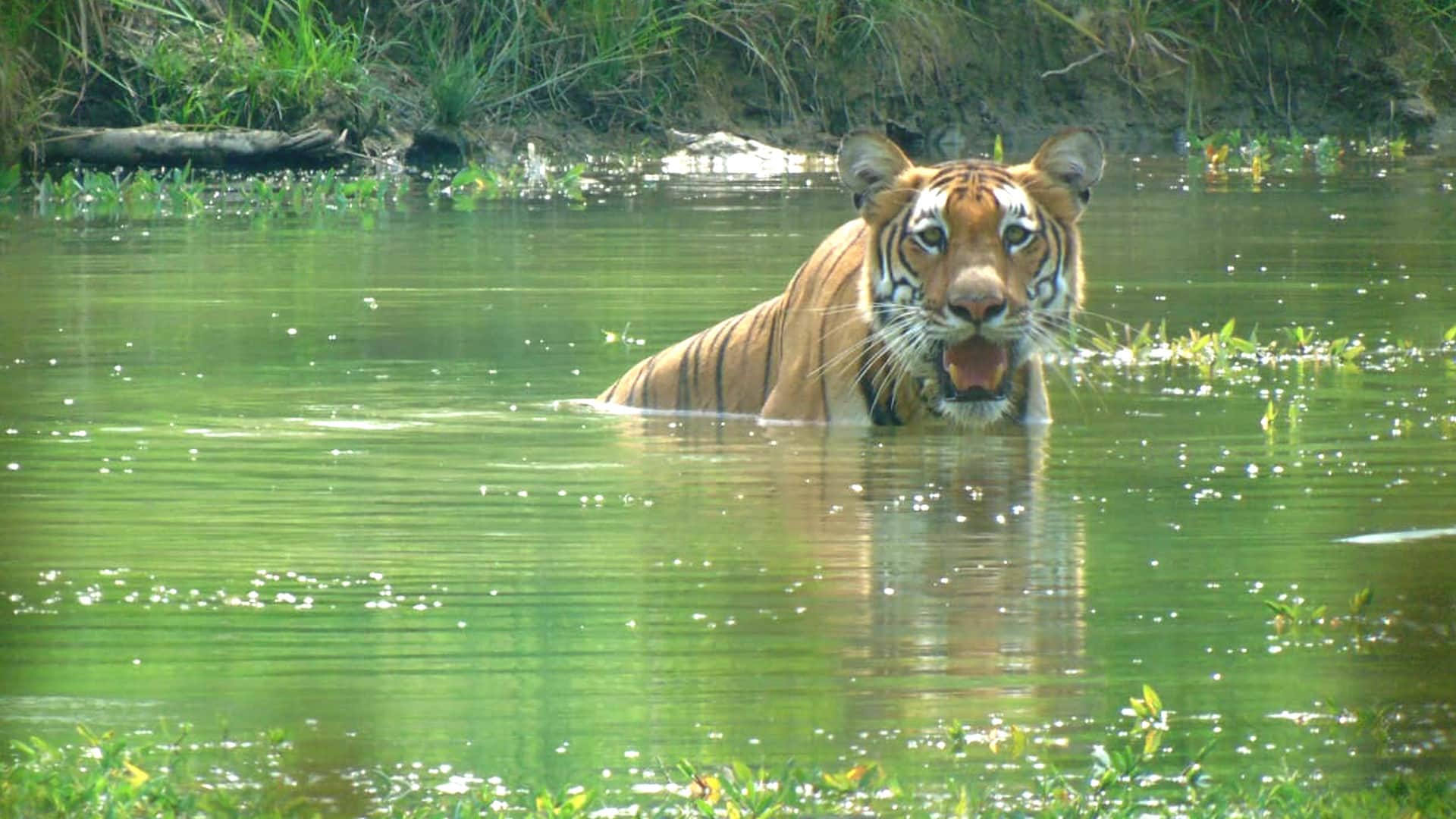
Get into the wild heart where thick forests of Chitwan National Park are as far as the eye can see, and every sound is alive. It is not the ordinary park; it is the first and biggest in Nepal, a UNESCO World Heritage park, where one-horned rhinoceroses casually graze through the grasslands, Bengal tigers busily roam about, elephants play majestically in the park, and more than 600 birds splendidly flutter through the air. You are immediately sucked into an alive, breathing narrative, a narrative in which nature assumes center stage and each twist and turn presents a surprise.
In the course of the adventure, you get to traverse this wilderness on jeep safaris and on the back of slow-moving elephants, walk through the quiet jungles and feel the ground beneath your feet, and lastly, navigate the banks of the Rapti River on a canoe, where you will see gharials and kingfishers. And the culture—the living, breathing heart of the Tharu people, who have inhabited this land since time immemorial. As you take walks around the village, dance with the people, experience a warm smile, and get a glimpse of a life that negotiates with the wild. Amid these adventures, there are riverside resorts and lodges where you can relax, rehydrate and allow the beauty surrounding you to sink in.
Your safari will be so memorable that you will still be thinking about Chitwan long after you go home: the excitement of seeing a rhino at dawn, the muffled silence of the forest, the tales told to you by your guide, the hours spent sitting and watching the birds dancing on the opposite side of the river. Every moment takes you further, foreshadowing those directions that you are yet to follow, wildlife that you are yet to see, and tales that lie just around the next curved corner. And you know this is not just a safari, this is a chance to really get to know the wild soul of Nepal—this is a journey you keep returning to.
- See the famous one-horned rhino, and, hopefully, you will see the elusive Bengal tiger deep in the jungle.
- Take a ride down the Rapti River in a canoe where crocodiles lie on the banks and kingfishers fly by in bright colours.
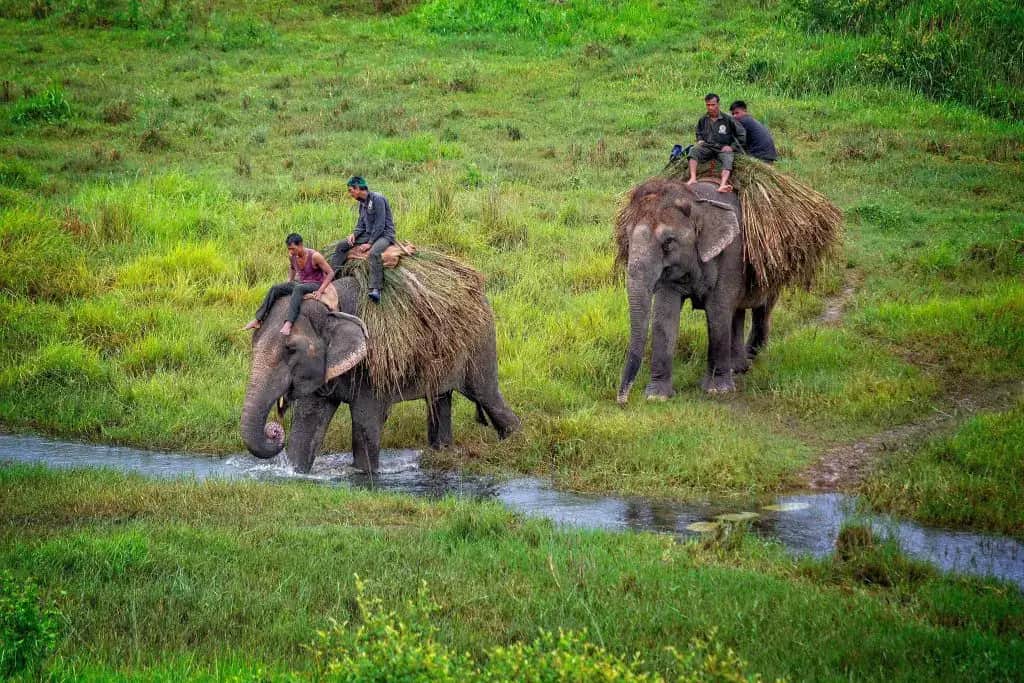
- Explore the wilderness on exciting Jeep safari and easy rides on elephants and get nearer to the wildlife like never before.
- Walk into Tharu villages as they dance, sing and practice their traditions that make the culture of the Terai plains live.
- Finish every adventure with a stay that is comfortable and relaxing, like a village on the banks of rivers or a modern-day resort where jungle sounds help lull you to sleep.
Kathmandu to Chitwan National Park. The travel between Kathmandu and Chitwan National Park is a scenic 5-6 hour-long drive (covering a distance of about 175 kilometers) along the beautiful Prithvi Highway. In the process, tourists are treated to rolling hills, terraced fields, rivers and old villages, which provide an insight into rural Nepal. It goes over the cooler and busier streets of Kathmandu at 1,400 meters to the warm and subtropical Terai plains of Chitwan at 415 meters to give a dramatic contrast between the landscape and climates.
All the activities in Chitwan are concentrated in the area, and the natural and cultural interests in the park can be explored with ease. Tourists will have the thrill of exploring them by jeep or elephant safaris, peaceful canoeing trips along the Rapti River, guided walks through the jungle to see the wildlife, and full immersion in the culture of the Tharu people through cultural tours in Tharu villages. This safari adventure is completed with a peaceful back trip to Kathmandu using the same scenic road, thus completing a wildlife and cultural experience that cannot be forgotten.
- Day01Day 01: Kathmandu → Chitwan
Explore Kathmandu valley to Chitwan with a scenic road journey in a distance of about 175km via the scenic Prithvi Highway. The journey offers you sceneries of terraced fields, rivers and rolling hills. Once there, check into your hotel and have a shower. During the afternoon, explore a local Tharu village to learn about Tharu customs and lifestyle. Conclude the day with the cultural dance performance demonstrating the Tharu heritage and traditions.
- Day02Day 02: Chitwan Wildlife
Begin the day with a peaceful canoe adventure up the Rapti River that will provide intimate experiences with aquatic birds and wildlife of the riverbank. This should be followed by an escorted stroll in the jungle to see the wild boars, exotic birds and deer in their natural habitat. Post lunch, head on a jeep safari trip to reach deeper forested regions and to the Elephant Breeding Center to find out about conservation efforts. End the day with a spectacular sunset view over the park, the ideal place to take pictures and have introspection.
- Day03Day 03: Chitwan → Kathmandu
Early mornings are good for having a serene birdwatching session in the park and seeing some colorful species that inhabit the park. In the morning, finish the adventure in Chitwan and head back to Kathmandu after having breakfast and then a memory on the wildlife experiences and the cultural experiences.
Domestic Air Transportation
Round-trip domestic flights between Kathmandu and Bharatpur, including all applicable airport taxes.
Private Ground Transfers
All arrival, departure, and intercity transfers by comfortable private vehicle between airports, hotels, and bus stations.
Full-Board Meal Plan
All meals during the program on a full-board basis, including breakfast, lunch, and dinner, along with tea, coffee, and hot water.
Hotel & Resort Accommodation
Accommodation on a twin-sharing basis at selected hotels or resorts, offering a comfortable stay aligned with the itinerary.
Jungle Activities & Safari Experiences
All jungle safaris and nature-based activities as outlined in the itinerary, conducted in accordance with national park regulations.
National Park Fees & Permits
All required national park entrance fees and permits are included.
Professional Nature Guide
Services of an experienced, English-speaking nature/jungle guide for all wildlife and safari activities.
On-Ground Tour Management
Complete trip coordination and operational support by Himalaya Vibes, ensuring smooth execution of the program.
Service Charges & Government Taxes
All office service charges, applicable government taxes, and official fees are included in the package price.
Safety & Activity Briefing
Pre-activity briefing covering safety guidelines, park rules, and wildlife awareness.
Emergency Assistance Coordination
Support in coordinating emergency assistance if required during the program (costs covered by the traveler’s insurance).
Meals & Accommodation in Kathmandu
Any meals and hotel accommodation in Kathmandu before or after the program are not included.
International Airfare
International flights to and from Nepal are excluded from the package cost.
Nepal Tourist Visa
Nepal entry visa fees are not included. Visas are easily available on arrival at Tribhuvan International Airport, Kathmandu. Current fees are USD 30 (15 days), USD 50 (30 days), and USD 125 (90 days), subject to government regulations.
Travel & Medical Insurance
Personal travel and medical insurance is excluded. Insurance must include coverage for high-altitude trekking and emergency evacuation.
Emergency Evacuation & Rescue
Costs related to emergency evacuation, including helicopter rescue, are not included and must be covered by the traveler or their insurance provider.
Personal Expenses
Expenses of a personal nature such as shopping, souvenirs, laundry services, phone calls, internet usage, and similar items are excluded.
Drinks & Beverages
All alcoholic beverages, soft drinks, bottled drinks, and any bar bills are not included.
Personal Trekking Equipment
Personal trekking gear such as sleeping bags, down jackets, and similar equipment is not included (these items can be hired in Kathmandu if required).
Unforeseen Itinerary Changes
Any additional costs arising from itinerary changes or delays due to landslides, weather conditions, domestic flight delays, political disturbances, strikes, or other factors beyond control are excluded.
Tips & Gratuities
Tips for guides, support staff, and drivers are not included. Tipping is customary in Nepal and is at the traveler’s discretion.
Other Unspecified Expenses
Any services or costs not explicitly mentioned in the “Cost Includes” section are excluded.
Early Trip Interruption
Expenses incurred due to early departure or trip interruption for personal or medical reasons are non-refundable and must be borne by the traveler.
Optional Activities
Any optional or non-program activities not outlined in the confirmed itinerary are excluded.
Chitwan National Park
Chitwan National Park is a UNESCO World Heritage Site that, being one of the top wildlife parks in Nepal, boasts a rich forest, Riverain ecosystem, and a variety of wildlife. Prior to visiting, it is crucial to know the practical necessities, safety measures, cultural customs and availability of facilities in the locality to be able to have a pleasant, comfortable and safe journey. The text below gives specific guidance to tourists.
Travel Documents
Any tourist visiting Chitwan needs to have a valid passport and a Nepali visa, which has to be obtained in Nepal or prior to visiting Nepal. Also, an entry permit in the form of a Chitwan National Park entrance permit is required, and it can usually be organized by the tour operator or bought at the park entry. The permit system is beneficial in managing tourism, wildlife protection, and conservation programs by the parks. Visitors are also advised to carry a duplicate of their identification and permits because they may be called upon to verify themselves in various points in the park by the local authorities or guides.
Travel Insurance
Travel insurance is strongly advised for journeys to Chitwan, especially for those who are engaged in safari tours, jungle hiking, canoeing, and other outdoor field trips. The insurance must include medical emergency cases, hospitalization due to accidents, cancellation of trips, and loss of personal property. With the remote areas and the unpredictability of the weather at times in the park, it is worthwhile that the park has complete coverage so that travelers can get help immediately in case of injury, illness, or any unforeseen event, which would put their minds at ease during the journey.
Health & Physical Fitness
Chitwan tours involve moderate physical activity, such as walking on rough trails, standing on wildlife safaris in jeeps or canoes, and on some occasions, short treks, especially in the thick forest. The activities are usually fairly accessible to most average-fitness travelers, but if a participant has any pre-existing health issues, they need to be checked by a doctor before taking part. Without water, it is important to remain hydrated and use breathable clothing, as well as comfortable shoes. The weather in the morning and evening could be variable, and thus the use of layered clothes is advisable to prevent coldness in outdoor activities.
Weather Conditions
The climate of Chitwan is seasonal, with warm and moist summers and mild and comfortable winters. Monsoon season, between June and September, is characterized by heavy rain, which may interfere with road conditions and outdoor activities, but the winter months of October to March are better in terms of wildlife viewing since there is a clear sky, with less vegetation. To make sure they will feel comfortable during the trip, the traveler should pack lightweight and breathable clothes (hot and humid days), layered clothes (colder mornings and evenings), rain protection (monsoon), and sun protection (hats and sunscreen).
Cultural Considerations
The cultural and social norms that tourists are expected to observe when visiting Chitwan include taking into account the local cultures and traditions, particularly during their engagement with the Tharu people or even during village rituals. Subdued clothes, courteous greetings and asking permission before taking pictures of individuals or ceremonies are very important. Learning cultural etiquette helps in improving interactions, creates goodwill and shows appreciation for the local lifestyle. It is also possible to learn several Nepali or Tharu phrases, and this would add more to the experience and establish meaningful relationships with locals.
Tipping Guidelines
Tipping is not compulsory in Chitwan, although it is expected to reward any guides, drivers, and other hotel employees who offer good service. Exceptional service in safaris, cultural tours and accommodations is encouraged with small gratuities. Depending on the quality of service and the duration of the tour, it may change in amount, and it is best to give the tip to the person who helped you directly so that your act will not be in vain.
Safety & Security
Chitwan National Park is considered to be safe, mostly when the tourists adhere to the basic safety procedures. Tourists are asked to keep to the paths, not to go too close to the wild animals, and to use the advice of trained guides or park rangers. Although the park has wildlife including Bengal tigers, rhinos and elephants, the risk is not great when safety regulations are followed. In order to avoid minor injuries or health problems, travelers are also recommended to bring basic first-aid and insect repellent, as well as enough drinking water on the excursions.
Currency & Money Matters
The currency that is officially used in Chitwan is the Nepali Rupee (NPR), which is generally accepted in accommodations, meals and local purchases. Cash is preferred over electronic payment, especially in smaller villages or even in the midst of a safari, in which case there will be no ATMs in Chitwan town, only cash. Carrying small denominations as tips, local purchases, or emergency needs should also be carried by the travelers. In large hotels and resorts, credit and debit cards are accepted; however, they might not be accepted in rural and local markets.
Accommodation
Chitwan has a wide selection of different types of accommodation, both affordable hotels and resorts, containing all facilities. Ordinary hotels contain clean rooms and simple facilities and on-site food, whereas luxury resorts contain swimming pools, a spa, fine food, and cultural programs. Resorts are built in a way that they end up being harmonized with nature, with panoramic views of rivers, forests and wildlife. It is advisable to book early, particularly during high tourist seasons, to be assured of one being available and in places of choice.
Transportation
Tourist buses, personal cars and domestic flights between Kathmandu and Bharatpur Airport allow the travelers to access Chitwan. The park has open-top jeeps that are great when on a safari due to the great opportunity of seeing wildlife, and canoe rides, as well as guided jungle walks, enable visitors to explore the forested area and the riverine environments. Most tours are accompanied by experienced naturalist guides who can offer a lot of insight into the local flora, fauna and ecosystem processes, making the trip more educational and leisurely.
Electricity & Charging
The standard voltage in Chitwan is 220 V, 50Hz and plug types C, D and M are often used. Tourists must bring universal adapters to recharge their electronic devices since hotel sockets might not be the same. Power banks are also advisable, particularly during a safari or long trip, when there is a possibility of a lack of electricity supply. Keeping devices charged is also relevant in terms of navigation, photography, and emergency communication.
Festivals & Public Holidays
Chitwan has a number of local festivals, such as Dashain, Tihar, and Chhath Puja which may affect travelling schedules and services in the area. These festivals provide tourists with an opportunity to see local practices, cultural shows and communal feasts. It is advisable to do prior planning since there might be a shortage of accommodation, restaurants, and transport services during a public holiday. By attending festivals in a dignified manner, one may gain a better understanding of the local traditions and culture.
Food & Dining
The majority of Chitwan tour packages are full-board meals consisting of Nepali, Tharu and international food. Local specialties include fresh and seasonal foods and local recipes, giving the visitor a taste of the culture of the area. Tourists with dietary conditions or requests are expected to inform the tour operator beforehand because the majority of the places can accommodate vegetarian, vegan, gluten-free, or other special diets. Eating at resorts and lodges is usually done in buffet, a la carte menu, and every now and then, cultural dining.
Give us a review
Pricing
Number of people
Price per person