



Destination
Kathmandu Valley
Duration
3 days and 2 nights
Difficulty
Easy
Max. Elevation
1450 m
Group Size
Max. 20 pax
Accommodation
Standard Options
Vehicles
N/A
Food
No bed or meals included
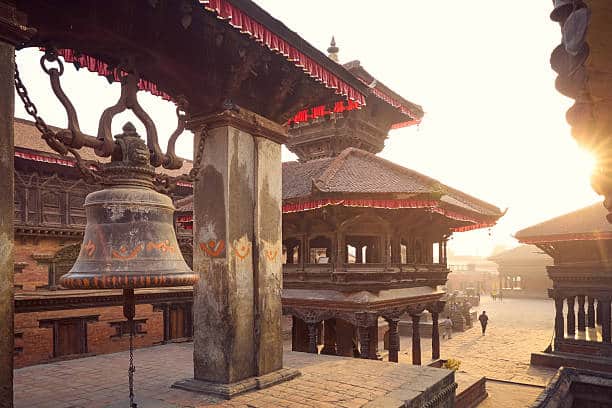
There is no better way than to soak in the depth of culture, history and architecture of Kathmandu Valley than the 2 nights 3 days Kathmandu Bhaktapur tour package. With its perfect location, sitting on the lap of the Himalayas and the city of temples, Kathmandu has much more to offer during your stay here. The valley is a historic and architecturally beautiful valley that is engraved in every corner of the valley.
Kathmandu Valley contains its own natural and cultural history as it is one of the oldest cities in the world. The busy street in the square durbar, those sinuous temples and stupas, the epitome of harmony between Hindu and Buddhist in the region, the striking wood carving, stone sculpture and the beautiful structure of pagoda style describe the dexterity and commitment of a school of artists. And with their marvellous dexterity, they have transmuted the myths of the brave and wealthy of the city.
Not a very long distance away, there is another smaller but equally interesting city, Bhaktapur. Its Durbar Square, a palace, temple, and courtyards, is exquisitely carved in wood, stone and metal. This city is set up with a medieval layout that has been carefully maintained, and through this, visitors experience a living museum of Newar culture and history.
More than history and architecture, this tour appeals to our taste buds, our eyes with scenic Himalayan view and our mind with a break into a serene place away from the city chaos. Kathmandu Bhaktapur 2 nights 3 days trip is an unimaginable exposure of cultures, nature, which sensations culminate in Nepali terms.
- Take a walk around Basantapur Durbar Square, where old palaces, museums and temples provide a concrete historical depiction of the city.
- Pashupatinath Sandhya Aarati: powerful night praying by the sacred river Bagmati. Pashupatinath is a spiritual high point, a chant of immense power, widely considered the best evening prayer. At Sandhya Aarati, you feel the spiritual power.
- Get the magical serenity of Boudhanath Stupa in night and enjoy a cup of coffee on the rooftop when the stupa is illuminated with butter lamps and prayer flags.
- Get lost in the ancient beauty of the narrow streets of Bhaktapur and its pottery workshops, where objects of traditional art are still produced and where time has not passed.
- Roam around colourful Thamel Bazaar, go shopping, have local food and enjoy the evening atmosphere.
Professional City Tour Guide
An experienced, friendly, and knowledgeable government-licensed guide to accompany you throughout the Kathmandu Valley sightseeing program.
Private Transportation
All sightseeing transfers provided in a private vehicle, ensuring comfort and convenience during the tour.
Comprehensive Kathmandu Valley Sightseeing
Visits to all cultural, historical, and heritage sites as outlined in the itinerary, including temples, palaces, and monuments.
Entrance Fees
All entrance fees and permits for monuments, museums, and heritage sites included in the itinerary.
Refreshments During Tour
Bottled water and light refreshments provided during the sightseeing program.
Tour Planning & Coordination
Full support from the Himalaya Vibes operations team to ensure smooth scheduling, logistics, and on-ground assistance.
Meals in Kathmandu
Lunch and dinner during the city tour in Kathmandu are not included.
International Airfare
Flights to and from Nepal are not included.
Nepal Entry Visa
Visa fees are not included. A Nepal tourist visa can be obtained on arrival at Tribhuvan International Airport, Kathmandu. Current rates are USD 40 for 60 days, subject to government regulations.
Entrance Fees
Fees for additional monuments, museums, or sites visited outside the confirmed itinerary are not included.
Tipping & Gratuities
Tips for guides, drivers, and support staff are not included. While optional, tipping is customary and appreciated in Nepal.
Personal Expenses
Any personal expenses such as souvenirs, shopping, snacks, or beverages during the tour are not included.
Optional Activities
Any optional excursions or experiences not listed in the confirmed itinerary are excluded.
Best Time to Visit
Nepal has four seasons within the year. This includes the warm, bright days, to the rainy monsoon months, then cool and alive autumn months and even more severe winter months, finishing up with the fantastic spring months. We will go through a season-by-season explanation so that you can get a better picture of when to go on the Kathmandu Bhaktapur tour.
Monsoon (June to August)
Light rain triggers the monsoon season and introduces heavy rainfall, causing slippery roads. Despite the possibility of enjoying perfect views of the grand peak, that would not always be the case always as clouds huddling together would make visibility poor at any one time. As far as the rainy season is concerned, the terrain is made rugged and lush green, and there are travelers, who simply take the opportunity to pretend that the streets are a little less noisy and the environment is a little less hectic.
Autumn (September–November)
Saying goodbye to heavy precipitation, nature becomes beautiful once again, with green hills being even crisper. The right season to visit Kathmandu and Bhaktapur is autumn; there, you can make a visit to see the beauty of each corner. Sunny weather, beautiful scenery of the mountains around the valley and reasonable temperature make your indoor and outdoor activities in the cities most memorable. In order to do this, you shall have the time to be able to watch the cultural subtext too, as the bigger festivals of Dashain, Indra Jatra, and Tihar are just when they should be, when it is at its most agreeable to photograph, gaze about and witness the local culture at its most papable.
Winter (December to February)
The crispy autumn is followed by the winter, which is cooler and at times includes fog in the valley. This is when there is a minimal number of tourists around, and it becomes a calm period to have a heritage walk and visit temples. Although the weather is chilly during the day, it is also warm and cool, thus memorable to walk during the day. The commuter seeks a soundless and subdued experience in terms of the view of the structure and the environment of the city.
Spring (March to May)
The most suitable time of the year is spring, when you have a taste of the warm and sweet weather. Huge blending rhododendrons that add the lively colours and the cold breeze of the hills, and the distinct visibility make it all worth it. The valley has everything to offer; a blend of wilderness and the city tour of the cultural artifacts and natural heritages available in the valley that you can sightsee.
Travelling Gear
- Dressing: Light clothes (t-shirts, long sleeves), Warm clothes (fleece/sweater), Light jacket, Waterproof jacket/Poncho, Comfortable trousers, modest dressing in temples
- Footwear: Walking shoes or sneakers, Sandals or flip-flops, moisture-wicking socks
- Accessories and Items: Sunglasses and hat, Sunscreen and lip balm, Daypack/water/snacks/valuables, Reusable water bottle, Umbrella or rain cover
- Electronics: Mobile phone, Camera (Optional), Power bank, Plug adapter (Type D/M, 230V, 50Hz)
- Personal and Health: Basic First aid kit, Hand Sanitizer/and wet wipes, Toiletries (toothbrush, toothpaste, shampoo, soap), Prescription medication
- Optional Adventure Gear: Trekking stick, light gloves and scarf, rain cover pack, Binoculars (optional)
Close Food and Experiences
You won't run out of choices on what to sample on the trip, so you'd better prepare your palate to experience the full range of rich flavors and local delicacies.
Wake up in Nepali style and take a cup of tea and sel roti. Rest in bed and in its aftermath, and make a small Newari breakfast with yomari, chatamari and samay baji. Nothing should be more filling than a classic Thakali rice set, and it is impossible to conclude without the juicy, creamy juju dhau.
Other than these, there is more to explore of the complete Newari food set, from smoky sekuwa and spicy choila. And the list is endless, yet with every bite, one has their own tale of the rich food culture of Nepal.
Travel Insurance
In tours to Kathmandu and Bhaktapur, 2 nights/3 days on your own, you need to select suitable travel insurance to have an enjoyable and carefree journey. You would want to consider a policy that will cover medical emergencies, hospitalization, as well as evacuation, in case of accidents or sudden sickness. Besides that, the policy covers trip cancellation or trip delay, lost or stolen luggage and theft protection, some of the frequent worries on the road. In case you would want to travel on the nearby hills, take day expeditions or participate in any adventure event, make sure that the policy covers high altitude trekking and adventure sport covers.
To make it reliable, you are to choose insurance, compare reputation, coverage limits, claim process and customer reviews of various providers. Keep the digital and physical copies of your insurance materials with you at all times and make some emergency contact numbers just in case one needs quick help.
Visa
Visitors entering Nepal have an option of an on-arrival Nepal visa upon landing at Tribhuvan International Airport or through the internet before travelling. Make sure that your passport is valid for no less than six months after you enter your country. The fee of visa fee is based on the period of stay, and further extension could be done at the immigration offices in Nepal.
Fitness & Health
This tour has no specific fitness requirements to meet, and the level of walking involved is not considerable at cultural or historical places. It is suggested to wear comfortable walking shoes. Bring your own medications, and bring a small first-aid kit, because certain medicines are not commonly available in Nepal.
Language & Communication
The common language in tourist markets, hotels and English-speaking guides is an urban language of the country; English is learned in most tourist markets, and is the native language of the urban centers of Nepal, although Nepali remains the official language. A few easy words, such as Namaste (Hello) and Dhanyabad (Thank you), could be learnt and would come in handy during day-to-day activities. Many cities have good mobile network coverage (3G/4G) and Wi-Fi; however, in less urban locations, this is less. This is because they can buy a local SIM card to enhance internet access in the course of your trip.
Electricity & Charging
Nepal operates on 230 bottle neck power, 230V, having an arrangement of Type C, D and M plugs. Many of the high-end hotels offer universal adapters, though it is good to have your own. Power cuts are not usual in fancy hotels, but ensure your gadgets are charged before travelling to see.
Cultural Etiquette
Nepal is a powerful country in terms of culture and religion. Dress modestly
in temples or monasteries, remove your shoes anytime you enter a building of religion and never take photographs of people without their agreement. Touch, take or accept things using the right hand since the left hand is dirty. These are the customs that will show respect and make your travelling experience meaningful.
Safety & Security
Nepal is a largely safe country to travel however, one should always be awake. Lock up your possessions, put passports and cash in the hotel safe along with jewelry and do not show off your expensive items. Always obey what your guide says to you, particularly when you are in a crowd or when you are at a religious event. Be aware of walking in Nepali as well as the busy streets in areas such as Kathmandu.
Currency & Money
The currency of Nepal is the Nepalese Rupee (NPR). The local markets, small shops and local taxis can be paid in cash, but big credit cards will usually be accepted in some luxurious hotels and in more fancy restaurants. Be sure to tell your bank the details of your travel in order to eliminate inconveniences with your cards, and take local currency in small bills to simplify your life.
Give us a review
Pricing
Number of people
Price per person