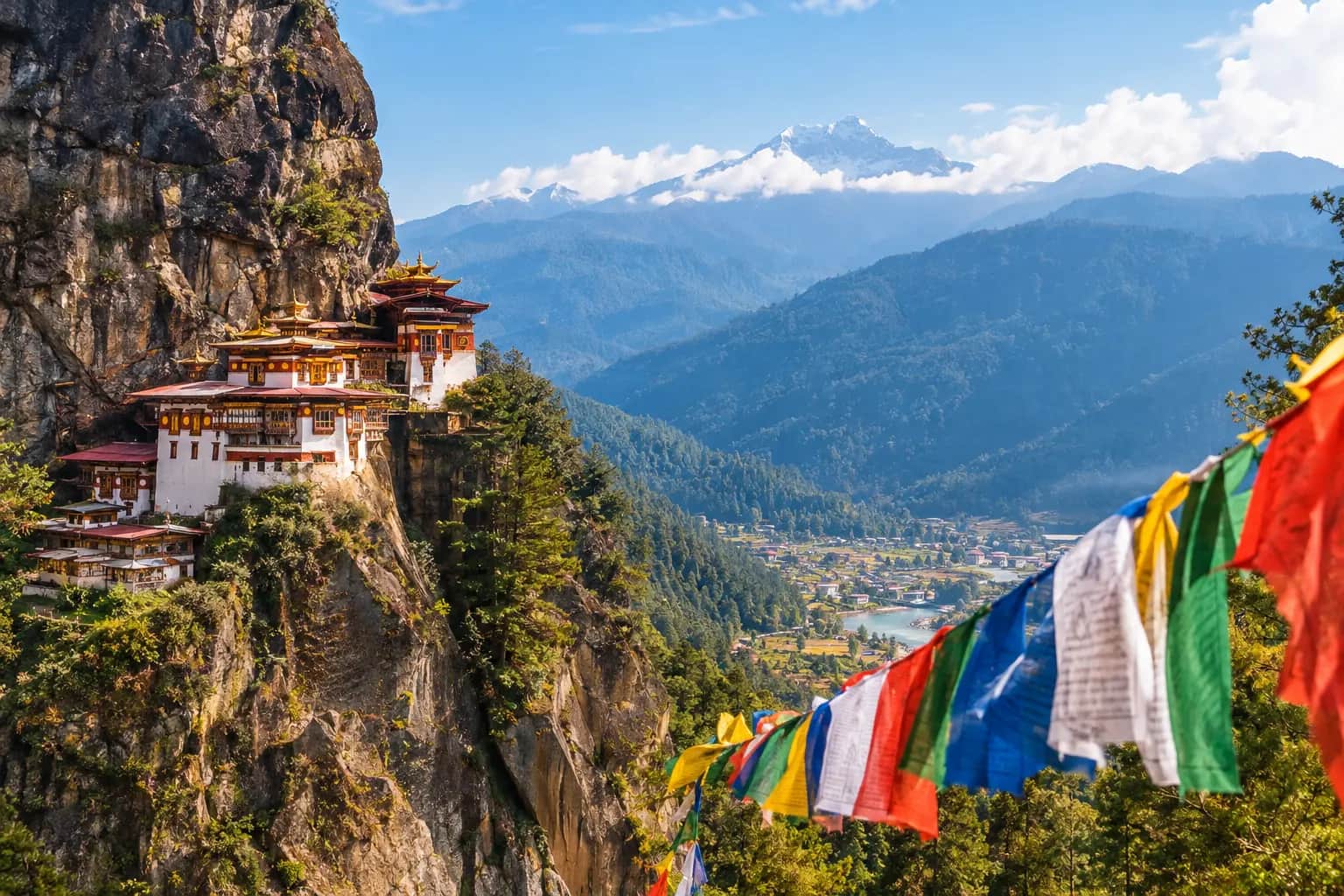




Bhutan Culture & Etiquette: A Traveler’s Guide
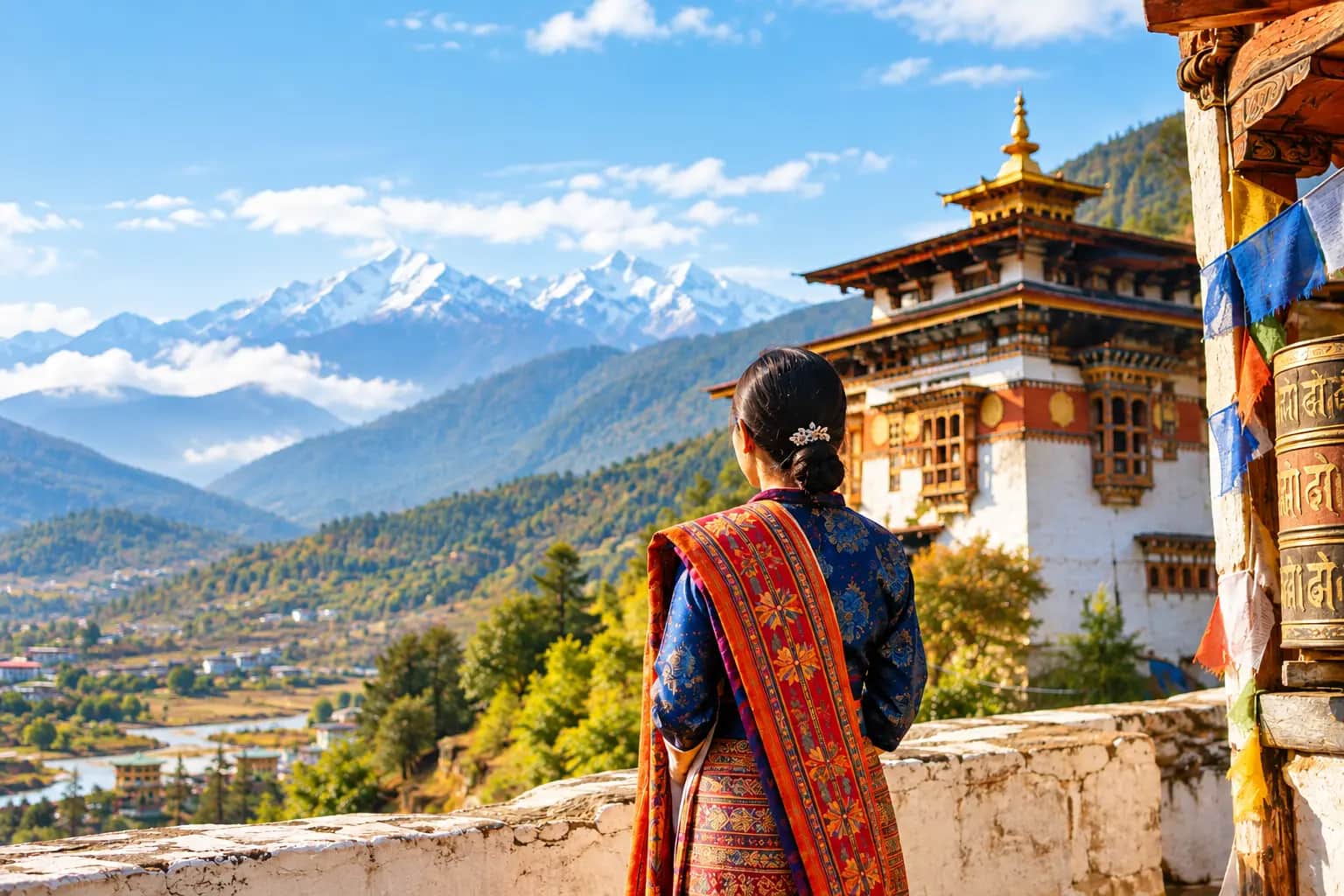
Bhutan Culture & Etiquette: A Traveler’s Guide
Bhutan has a distinctive approach to development, culture and everyday life, and understanding a little of that context before you arrive can make your trip more meaningful. From Gross National Happiness and traditional dress to temple etiquette, food customs and respect for religious sites, a few simple things can help you travel through Bhutan as a considerate guest.
If you're planning your first visit, start with ourBhutan Tour Packages guide for an overview of the different itineraries and experiences available.
Gross National Happiness Explained
Instead of measuring national progress through economic output alone, Bhutan is internationally known for its Gross National Happiness (GNH) development philosophy.
GNH emphasizes four broad areas: good governance, sustainable socio-economic development, cultural preservation and environmental conservation. Bhutan's tourism authority describes GNH as a philosophy that influences development and decision-making rather than simply a slogan used to describe the country.
You can see elements of this approach while traveling through Bhutan. Cultural traditions remain an important part of public life, religious sites continue to function as active places of worship, and environmental conservation is a major national priority.
Bhutan's Constitution requires at least 60% of the country's land to remain under forest cover. Current official sources put forest coverage at around 70% or higher.
This background also helps explain why Bhutan's approach to tourism places considerable emphasis on preserving its culture and environment. If you're interested in how tourism costs and government fees fit into that model, see our Bhutan Visa & SDF Guide.
Dress Code and Etiquette at Dzongs and Monasteries
Bhutan does not impose a general dress code on visitors, but respectful clothing is expected when visiting religious and cultural sites. Bhutan's official tourism guidance recommends clothing that covers the shoulders and legs when visiting temples.
When visiting a dzong, monastery or temple:
- Wear clothing that covers your shoulders and knees.
- Remove your shoes when entering temples where required.
- Remove caps and hats when visiting sacred sites.
- Keep your voice low and avoid disturbing people who are praying.
- Do not touch religious objects, paintings or sacred items.
- Do not sit on religious thrones or other restricted furnishings.
- Follow photography restrictions inside sacred sites.
- Ask your guide if you are unsure whether photography is permitted.
Bhutan's official visitor guidance specifically asks travelers to maintain silence at sacred sites, avoid obstructing worshippers and refrain from taking photographs inside sacred sites.
These are active religious spaces rather than museums, so following local instructions is an important part of respectful travel.
Local Customs and Greetings
A simple greeting can go a long way.
"Kuzu zangpo la" is a common Bhutanese greeting and can be used throughout the day. Bhutan Tourism also lists "Kadrin chey la" as a way of saying thank you.
Bhutanese national dress is also an important part of the country's cultural identity. The gho is traditionally worn by men and the kira by women. You may see traditional dress in schools, offices, religious settings, festivals and other parts of everyday life. Bhutan Tourism describes the gho and kira as part of daily life and an evolving textile tradition rather than costumes reserved exclusively for visitors.
When visiting homes or meeting people in more traditional settings, observe what your host or guide does and follow their lead. Bhutanese hospitality is an important part of the travel experience, and a friendly, respectful attitude is usually the best approach.
Bhutanese Food Culture
Bhutanese cuisine is closely connected to the country's agricultural traditions and regional culture.
One of the best-known dishes is ema datshi, made with chillies and cheese. Red rice, vegetables, meat dishes and hearty stews are also common parts of Bhutanese meals.
Chillies can be much more prominent in Bhutanese cooking than many international visitors expect. If you're not comfortable with very spicy food, tell your guide or restaurant staff before ordering.
Trying local food is one of the easiest ways to experience Bhutan beyond its monuments and landscapes. Markets, local restaurants and traditional meals can offer a different perspective on everyday Bhutanese life.
If food and local experiences are an important part of your trip, our Bhutan Tour Packages guide can help you compare itineraries that include time in Paro, Thimphu and Punakha.
Respecting Religious Sites
Bhutan's religious heritage is an important part of everyday life. The country's official tourism authority notes that Buddhism is deeply connected to Bhutanese culture, architecture, festivals and daily practices.
When visiting religious sites, remember that you are entering places that continue to be used for worship.
Avoid:
- Touching religious statues, paintings or ritual objects.
- Sitting on sacred thrones or restricted areas.
- Taking photographs where photography is prohibited.
- Speaking loudly inside temples and monasteries.
- Blocking worshippers or interrupting religious activities.
- Photographing people without permission.
Bhutan Tourism specifically asks visitors to be considerate of people's privacy and to ask before taking someone's photograph. During festivals, visitors should also avoid standing between worshippers and an altar or otherwise obstructing religious practice.
If you're attending a Tshechu, remember that the event is a religious and community gathering as well as a cultural experience for visitors. Our Bhutan Festivals Guide explains the major festivals and how to plan your trip around them.
Understanding Bhutanese National Dress
Traditional Bhutanese clothing is one of the most visible parts of Bhutan's cultural identity.
The gho, worn by men, and kira, worn by women, remain part of everyday life in Bhutan. They are worn in workplaces, schools, religious settings and official situations, while contemporary Bhutanese fashion continues to evolve around these traditional forms.
Visitors may see particularly elaborate versions of traditional dress during festivals and formal occasions.
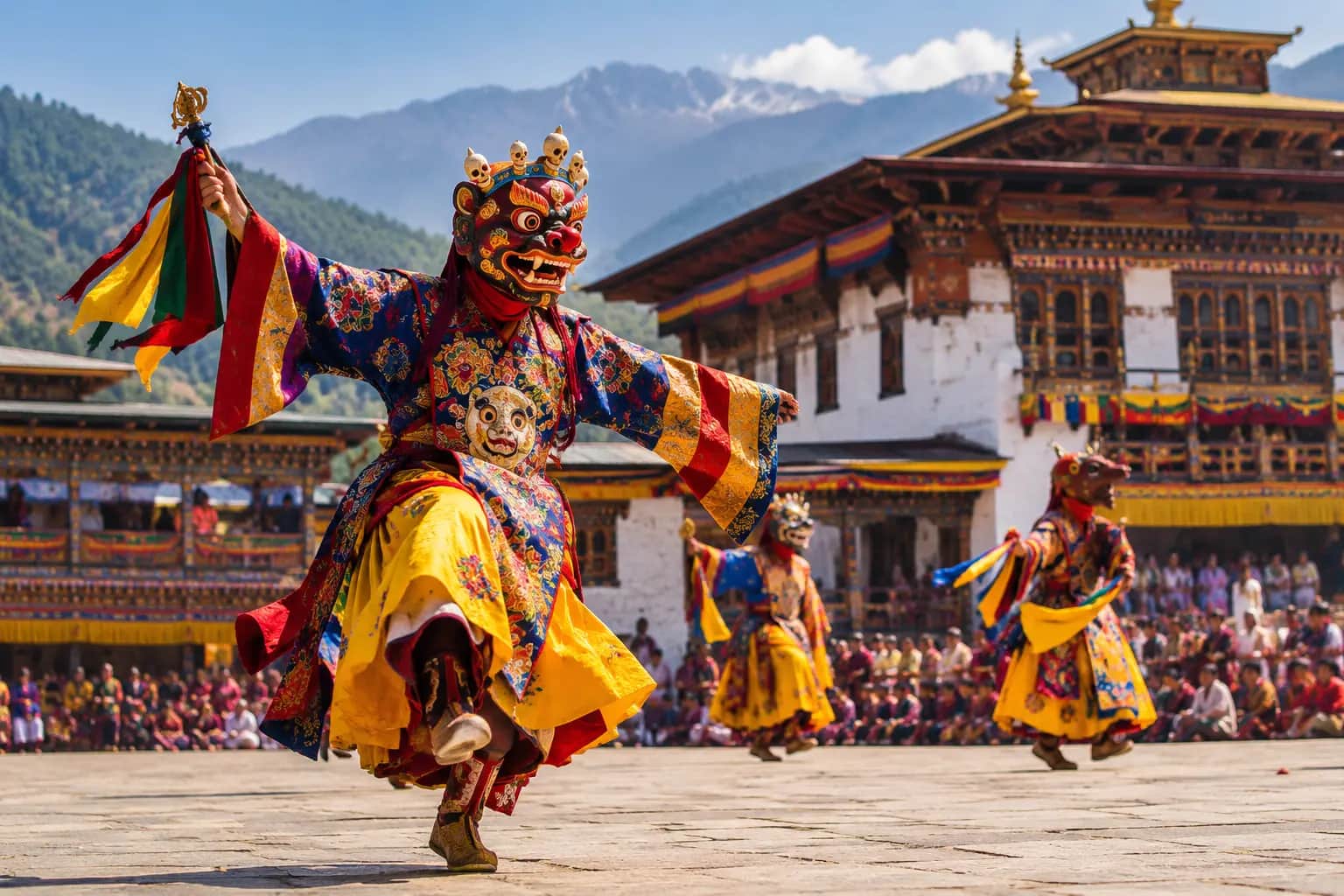
If you visit Bhutan during a major Tshechu, you may see entire communities dressed in traditional clothing as they gather for religious ceremonies, dances and social events.
For more information about festival travel, see our Bhutan Festivals Guide.
Photography Etiquette in Bhutan
Bhutan offers plenty of opportunities for photography, from Himalayan landscapes and dzongs to markets and traditional festivals.
But photography should not come at the expense of people's privacy or religious practice.
Bhutan's official tourism guidance recommends asking permission before photographing people and specifically asks visitors to be mindful when photographing people praying or participating in religious festivals.
Photography is also restricted inside sacred sites. Always follow signs and your guide's instructions rather than assuming that a photo is allowed.
A good rule is simple: if you're unsure, ask first.
Bhutanese Hospitality and Visiting Local Homes
Hospitality is an important part of Bhutanese culture, and visitors may occasionally have opportunities to interact with local families or experience traditional homes.
Bhutan Tourism notes that many Bhutanese families live in ancestral homes and that removing shoes before entering houses is customary.
If you are invited into a home, follow your host's lead. Remove your shoes if appropriate, wait to be shown where to sit and accept food or drinks graciously.
You do not need to know every Bhutanese custom before arriving. Being observant, polite and willing to follow local guidance will usually take you a long way.
Bhutan Culture During Festivals
Festivals provide one of the clearest opportunities to see Bhutanese culture in action.
During a Tshechu, monks and trained performers present traditional masked dances and religious performances, while local communities gather in their finest clothing.
These festivals are not simply tourist attractions. They remain important religious and social occasions for Bhutanese communities.
If you are planning your trip around a particular festival, check the dates carefully because Bhutan's festival calendar follows the lunar calendar and dates vary each year.
Our Bhutan Festivals Guide covers Paro Tshechu, Thimphu Tshechu, Punakha festivals and other celebrations in more detail.
How to Be a Respectful Traveler in Bhutan
You do not need to completely understand Bhutanese culture before visiting. A few basic principles can make a significant difference:
- Dress respectfully at religious sites.
- Ask before photographing people.
- Follow photography restrictions inside temples and monasteries.
- Keep quiet at sacred sites.
- Do not touch religious objects or paintings.
- Follow your guide's instructions.
- Respect local communities and private spaces.
- Leave natural areas as you found them.
Bhutan's official visitor guidance also advises travelers not to venture into the wild without an accredited guide and emphasizes protecting the country's natural environment.
If you're interested in combining cultural sightseeing with nature and trekking, see ourDagala Thousand Lakes Trek.
What to Know Before Your Bhutan Trip
Understanding culture and etiquette is only one part of preparing for Bhutan.
Before booking, it is useful to understand:
- Bhutan's visa requirements and Sustainable Development Fee
- The different tour lengths and routes available
- Seasonal weather and festival dates
- What is included in your tour price
- Religious and cultural etiquette
OurBhutan Visa & SDF Guide explains the current entry requirements and government fees.
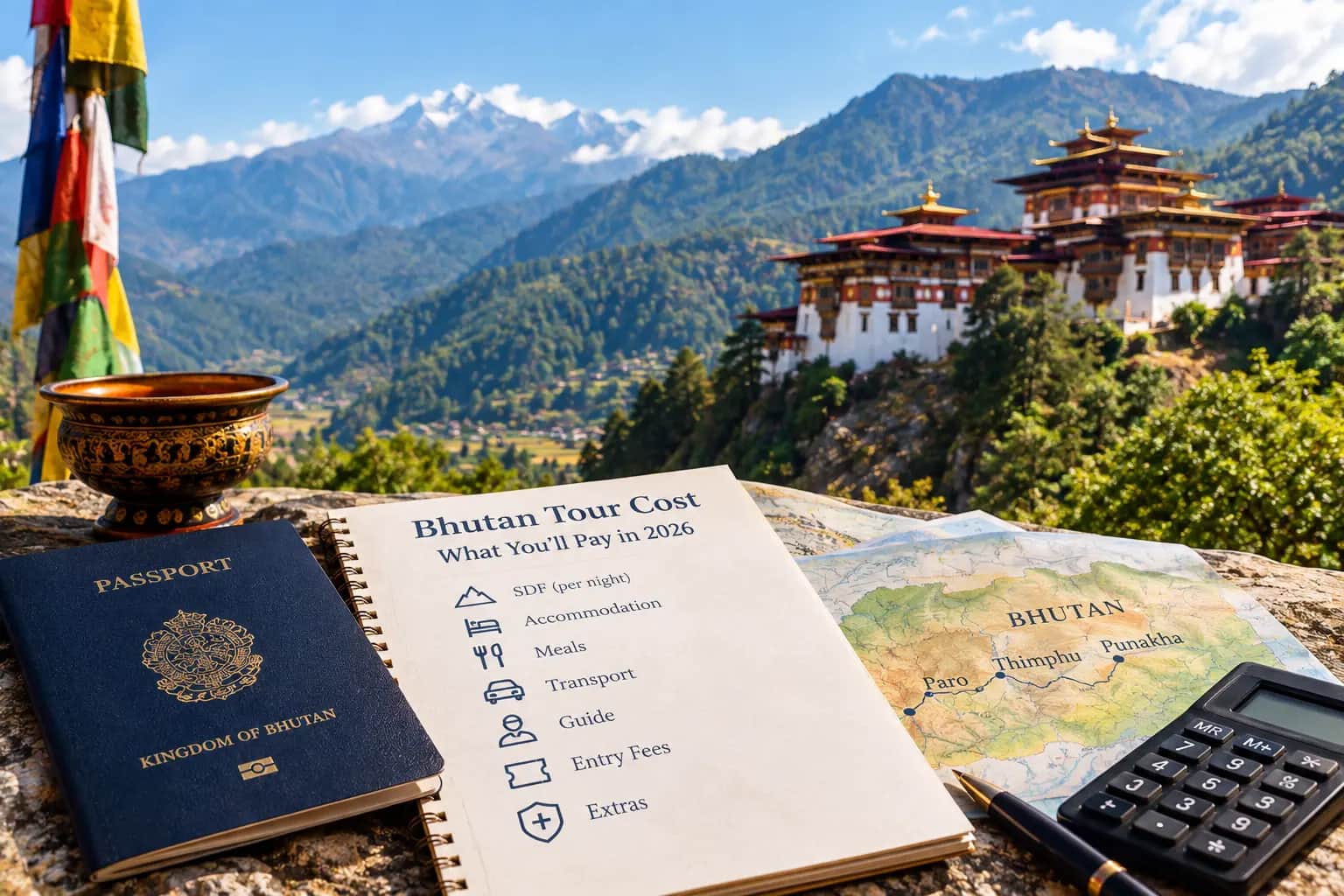
For budgeting, see our Bhutan Tour Cost Guide to understand the main components of a Bhutan trip, including accommodation, transport, meals, guide services and the SDF.
For seasonal planning, our Best Time to Visit Bhutan guide covers weather, festivals, mountain visibility and the advantages of visiting during different months.
Which Himalaya Vibes Bhutan Tours Offer the Most Cultural Experiences?
Several of our Bhutan itineraries can be used to explore the country's cultural heritage, with the right choice depending on how much time you have and which destinations you want to include.
Golden Triangle Bhutan Tour: 6 Days
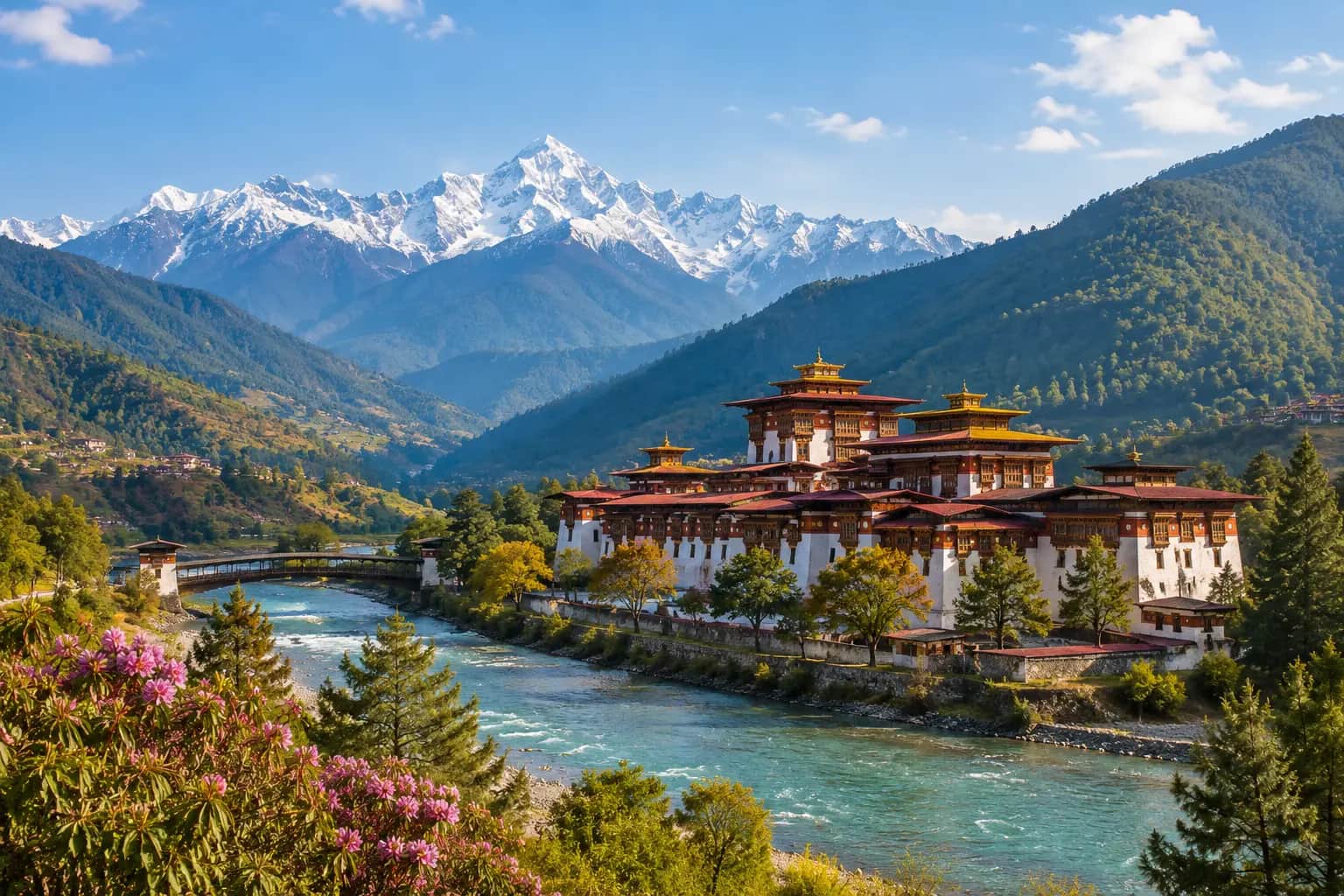
The Golden Triangle Bhutan Tour connects Paro, Thimphu and Punakha, making it suitable for travelers who want to see several of western Bhutan's major cultural destinations in one trip.
Explore the Golden Triangle Bhutan Tour for the full itinerary.
Majestic Bhutan: 7 Days
The Majestic Bhutan itinerary gives travelers more time to explore the western Bhutan circuit, including Paro, Thimphu and Punakha.
The additional time can be useful for travelers who prefer a more relaxed cultural itinerary rather than trying to cover everything quickly.
Explore Majestic Bhutan for the complete itinerary.
For an overview of all available routes, return to our Bhutan Tour Packages pillar page.
Ready to Experience Bhutanese Culture?
Bhutan's culture is best understood by experiencing it in context: visiting an active monastery, walking through a local market, watching a festival, sharing a traditional meal or simply observing everyday life in Paro, Thimphu or Punakha.
Start with our Bhutan Tour Packages to compare itineraries.
If you want to plan around a cultural celebration, read our Bhutan Festivals Guide. For seasonal planning, see our Best Time to Visit Bhutan guide, and before booking, review the Bhutan Visa & SDF Guide.
Whether you choose the Golden Triangle Bhutan Tour or Majestic Bhutan, understanding a little about Bhutanese culture before you arrive will help you travel with greater awareness and respect.
Last reviewed: September 2026
Cultural practices can vary between locations and religious sites. Follow instructions from your local guide and site authorities during your visit.
Commonly Asked Questions