




Destination
Tibet
Duration
8 days and 7 nights
Difficulty
Easy
Max. Elevation
4033 m
Group Size
Max. 15 pax
Accommodation
Standard Options
Vehicles
N/A
Food
Bed included, includes: No meals included
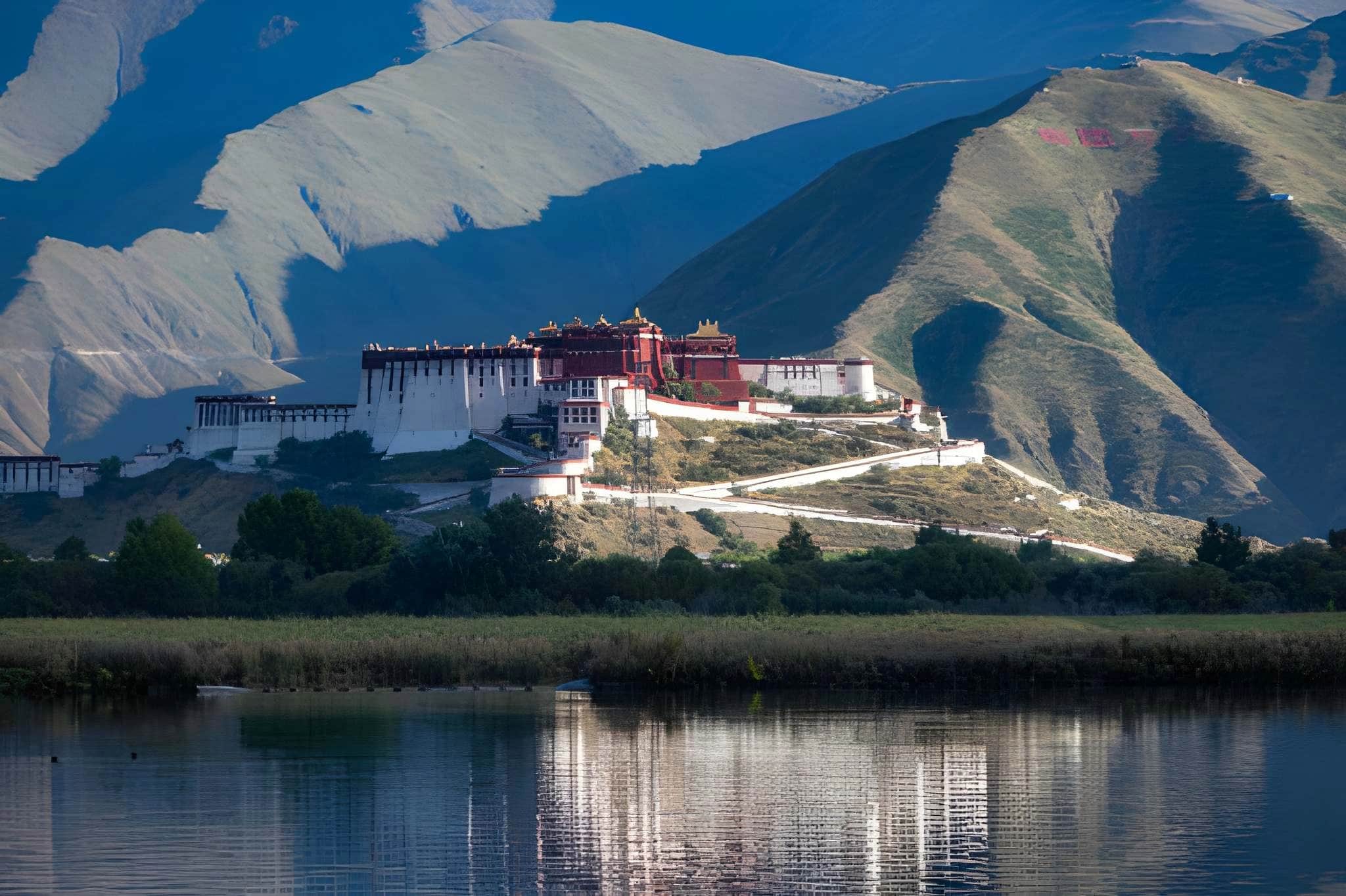
Tibet, commonly known as the Roof of the World, is a spiritual land with dramatic scenery and ancient traditions. This eight-day cultural expedition will put the tourists in the centre of the Tibetan lifestyle by giving them trips to their old monasteries, palaces, and bustling local markets. It is possible to discover the cultural heritage and natural beauty of the given region every day due to iconic structures like the Potala Palace in Lhasa and the fantastic vistas of the Tibetan Plateau.
The trip is aimed at a comfortable and cultural experience. The travelers will be subjected to luxury transportation, live tours with highly qualified local guides, and stay at well-thought-out hotels, which will guarantee that the balance between adventure, exploration, and relaxation is smooth. On the way, you will feel the warmth of Tibetan hospitality, old festivals and millennial rituals that are continuing to influence life at the plateau.
This tour is a spiritual journey, in addition to the architecture and the beautiful scenery. Through the observation of monk debates in Sera Monastery, tourists learn more about the Tibetan Buddhist philosophy, worship, and their daily lives. Cultural immersion, high altitude landscapes, and historical landmarks all add to this being a memory to be remembered, as far as the Tibet Cultural Tour is concerned.
- Potala Palace (Lhasa): UNESCO World Heritage building, where the Dalai Lama used to live.
- Jokhang Temple (Lhasa): the spiritual center of Tibet, a place of pilgrimage.
- Barkhor Street (Lhasa): Local handicraft and souvenirs market.
- Sera Monastery (Lhasa): A well-known place due to the lively monk debates.
- Yumbulagang Palace (Tsedang): the panoramic views of the valley were the first palace in Tibet.
- Trandruk/ Samye Monasteries (Tsedang): Ancient Buddhist sites that have historic murals.
- Tashilhunpo Monastery (Shigatse): Monastery of the Panchen Lama, containing a great Thangka wall.
- Gyantse Kumbum Stupa (Gyantse): Multi-level stupa with complex murals.
- Rongbuk Monastery( Everest Base Camp): The world's highest monastery, with spectacular views of Everest.
- Yamdrok Lake & Karo La Pass: Picturesque natural marvels of the Tibetan Plateau.
- Tibetan Villages: Enjoy the local life and local culture on the road.
The Tibet Cultural Tour starts in Lhasa, the spiritual capital of Tibet. In this case, the sightseeing places include Potala Palace, Jokhang Temple, Barkhor Street, and Sera Monastery, where the travelers get the best insight into the Tibetan culture and religion. Leaving Lhasa, the tour continues to Tsedang, which is considered to be the cradle of Tibetan civilization, with ancient sites like Yumbulagang Palace and Samye Monastery indicating the rich history of the region.
Then there is the trip to Gyantse, with its fabulous Kumbum Stupa and gorgeous Yamdrok Lake, and on to Shigatse, the seat of the Panchen Lama as Tashilhunpo Monastery. The last leg will be a visit to Rongbuk Monastery on the outskirts of the Everest Base Camp, which gives one breathtaking Himalayan views, and back to Lhasa, where one leaves. It is an adventure route that has been crafted to combine traditional cultural sightseeing with spectacular tours, enabling the visitor to enjoy the spiritual and physical beauty of Tibet.
- Day01Day 1: Arrival in Lhasa (3,650m)
Once you arrive in Lhasa, you will be received and taken to the hotel. The day is saved to rest and acclimatize to the high-altitude environment. The tourists will get an opportunity to view the nature around them and be ready to start exploring the unfamiliar culture. Light exercises like walking in and around the hotel or having local beverages are advisable so as to get your body used to it.
- Day02Day 2: Sightseeing in Lhasa
Get to know the cultural sites of Lhasa through a skilled guide. Explore the former winter palace of the Dalai Lama, Potala Palace, where there are beautiful murals and religious relics. Go to Jokhang Temple, the religious center of Tibet, where pilgrims conduct traditional rituals. Start the day at Barkhor Street, where it is possible to observe colorful local markets, and conclude with Sera Monastery, where it is possible to watch the discussions between monks.
- Day03Day 3: Lhasa to Tsedang (3,100m, 290 km / 10 hours)
Take a scenic 10-hour journey through the river valleys, mountains, and rural settlements. Along the roadside, you will see the Yarlung Valley, which is regarded as the origin of the Tibetan culture, and capture photos of the stunning scenery. The motivation also enables one to adapt gradually to the relatively lower elevation of Tsedang.
- Day04Day 4: Sightseeing in Tsedang
Explore the ancient tradition of Discover Tsedang. You can visit the first building in Tibet Yumbulagang Palace and Trandruk Monastery, well known for Thangka paintings. When you have time, you can visit Samye Monastery, which is the first Buddhist monastery in Tibet. Tour around local shopping areas and the town to learn about its day-to-day activities and the locals.
- Day05Day 5: Tsedang to Gyantse(4,040m, 350km/8 hours)
Visit Gyantse with Yamdrok Lake, which has turquoise waters and is shaped like a scorpion, and Karo La Pass, which has a view of the Noijin Kangsang glacier. Pay visits to Tibetan villages to experience local culture and take scenic photos. The high frequency of breaks assists in adjusting to high altitudes.
- Day06Day 6: Gyantse to Shigatse (3,840m, 100km / 3 hours)
This will allow visiting Gyantse Dzong and Kumbum Stupa on a shorter trip, and then proceed to Shigatse by driving. Explore the local markets of local crafts and souvenirs, visit Tashilhunpo Monastery, where the Panchen Lama sits. The day is a mixture of culture, history, and sightseeing.
- Day07Day 7: Shigatse to Lhasa (3,650m, 280 km / 8 hours)
Drive back to Lhasa by picturesque roads. Experience the life of Tibetan people in the country and admire nature. There are meal and photo breaks. Spend this time reflecting on the experience that you had on the tour, and get ready to take off.
- Day08Day 8: Departure from Lhasa
Check in to Lhasa Gonggar Airport to fly home. Consider the cultural experience, religious experience, and the fascinating landscapes of Tibet. Get ready with all the travel documents and luggage, and make final goodbyes to the Tibetan Plateau.
The best time to travel to Tibet is during spring (April–June) and autumn (September–October), when the weather is stable, skies are clear, and temperatures are comfortable for sightseeing. Spring offers blooming landscapes and pleasant days, while autumn provides crisp air, excellent visibility, and ideal conditions for visiting monasteries, lakes, and high-altitude passes. The summer months (July–August) bring monsoon rains that may affect road travel, and winter (November–March) is very cold with limited accessibility, especially in remote areas. For cultural tours and scenic journeys, spring and autumn are the most recommended seasons.
The best time to travel to Tibet is during spring (April–June) and autumn (September–October), when the weather is stable, skies are clear, and temperatures are comfortable for sightseeing. Spring offers blooming landscapes and pleasant days, while autumn provides crisp air, excellent visibility, and ideal conditions for visiting monasteries, lakes, and high-altitude passes. The summer months (July–August) bring monsoon rains that may affect road travel, and winter (November–March) is very cold with limited accessibility, especially in remote areas. For cultural tours and scenic journeys, spring and autumn are the most recommended seasons.
Tibet is a charming and modest country, which at the same time awes and humiliates you, where the mountains of the Himalayas rise beside the monasteries, which are hundreds of years old, and every street, market, and monastery has a story. Prior to commencing a cultural tour to this peculiar region, it is beneficial to know the basics that will help to ensure that your trip will be less dangerous, comfortable, and more fulfilling. Starting with the navigation of mountain ranges and obtaining the necessary permits, to knowing the local culture, weather conditions, and the logistics of travel, this section is the place where every adventurer must learn the essentials. When you are well-prepared, you will not only have a sightseeing tour of Tibet, but you will have an all-immersive experience that will allow you to associate with its places, culture, and people.
Traveller Reviews and Insights.
Tourists have always referred to Tibet as a life-changing travel experience. Most visitors remark about the deep spirituality and peaceful nature, and the dramatic sceneries it is unparalleled in the rest of the world. The modes of cultural immersion and the beauty of nature have been described as distinctive (such as strolling through the old monasteries and seeing local markets full of Tibetan handicrafts), and the experience has been noted to be both enriching and an ideal destination. Other than sightseeing, other tourists are always surprised by how kind the Tibetan people are and the peaceful atmosphere that prevails even in crowded towns. One should read as many reviews and individual travel stories as possible to obtain a realistic view of life in Tibet every day, and what they should expect when taking the cultural tour.
Altitude Considerations
One of the most important aspects that are to be prepared for is the high elevation of Tibet. The elevation of Lhasa, the first set-up point of the tour, is about 3,650 meters (11,975 feet) above sea level, so the initial acclimatization is necessary. Further stops like Tsedang (3,100 meters/10,170 feet), Gyantse (4,040 meters/13,255 feet), and Shigatse (3,840 meters/12,600 feet) will provide even greater rises in altitude, requiring time to acclimatize without becoming ill as a result of the high altitudes.
The occurrence of altitude sickness can be characterized by headaches, nausea, dizziness, and shortness of breath. It is recommended that travelers proceed slowly in the first few days, ensure they stay hydrated, avoid stressful activities, and also consider preventive medications with the advice of a healthcare provider. The physiology of high-altitude adaptation is essential to know to make the journey safe and pleasant.
Permit Requirements
The tourists must comply with the local laws when visiting Tibet, such as the Tibet Travel Permit (TTP), which is obligatory for all international tourists. Besides the valid Chinese visa, in some restricted areas, an Alien Travel Permit might be required. These are local permits that are not available on their own, and tourists have to use licensed tour operators to obtain these permits. It is a time-consuming task and requires submission of passport and visa copies, which can require 1520 days; hence, it is highly advisable to apply early. Tibet does not permit independent traveling, although travel is mostly limited to organized tours. The knowledge of these requirements will help in having a pleasant entry and a continuous journey in the region where the tourists can be fully dedicated to the cultural and scenic experiences.
Travel Insurance
Travel insurance is essential when traveling to Tibet because of the elevated altitudes and isolated areas. High-altitude medical emergencies, evacuation, cancellation of trips, lost or stolen luggage, and personal liability should be included in the policies. There should be 24/7 emergency support due to the possible communication impediments. It is also recommended that the travellers be cautious of the fine print and ensure that everything that was intended to be done is included. A good insurance offers comfort, and one can also enjoy the cultural and scenic value of the tour without worrying about the logistical or medical problems.
Packing Essentials
Making good arrangements in packing can contribute to comfort and ease a lot during the tour. Outer clothes are essential to change with the weather, and a down jacket should be a light one to use during cold evenings. Heavy walking shoes are a requirement when exploring rough grounds, and casual shoes can be good when exploring the city. They are sun protection (high SPF sunscreen, lip balm, sunglasses), personal medications, toiletries, a daypack to go on excursions, reusable water bottles, camera equipment, and travel documents. Simple attire is also essential for sightseeing in religious areas as it shows respect to the local culture. Snack energy drinks and small first-aid kits are also a good idea, particularly on the more protracted outings or days of high altitude.
Meals and Cuisine
The Tibetan cuisine is an indication of its geography and Buddhist culture. Examples of staples are barley, yak meat, mutton, dairy, and vegetables. The most important foods are tsampa (roasted barley flour), momos (dumplings), thukpa (noodle soup), and butter tea (a traditional beverage consisting of tea, yak butter, and salt). Breakfast will tend to be a mixture of Tibetan and Western, whereas lunch and dinner will give a chance to taste Tibetan, Chinese, and sometimes Western food. Diet-restricted travellers ought to make advance provisions in order to be properly accommodated. At high altitudes, it is advisable to remain hydrated by taking bottled or purified water. Food provides food and cultural experience, offering an insight into the life of the Tibetans in their daily lives.
Transportation and Flights
The tour commences mostly in Lhasa, which is reachable by Lhasa Gonggar Airport, which links with the key cities in China and a few international locations. Another option that travelers can use includes the Qinghai-Tibet Railway, which is an amazing sight with magnificent mountain ranges. Air transportation Gustations in the transportation of ground usually entail the use of personal vehicles, which are driven by knowledgeable local drivers who understand the roads of the area. The time taken to traverse between the destinations may be quite long because it is mountainous, and therefore it is good to plan gradual changes in altitude. Good transportation logistics increase the experience where travelers are able to explore comfortably and safely.
Age Considerations
The Tibet Cultural Tour does not have a specific age requirement, although children below six years of age might find the travelling requirements and elevation challenging. Aged passengers, particularly those aged above 70 years, have to see a healthcare professional prior to undertaking the journey. Regardless of age, it is essential to be physically fit and generally healthy. Families and senior travelers can be accommodated by making their itineraries customized with shorter travel segments and less demanding activities. The knowledge, hydration, and travel insurance should be in the awareness of all age groups to enjoy and be safe.
Tibet Visa and Permits
Before entering Tibet, one is required to have a Chinese visa. Besides, the Tibet Travel Permit should be compulsory and can be received only via a registered tour operator. Some of these restricted zones might need other permits, including the Alien Travel Permit. Independent traveling is prohibited, and any sightseeing has to be conducted via the official medium. Premature application of permits is advisable to prevent the inconveniences and get in and out of Tibet without interruptions.
Currency and Payments
Chinese Yuan (CNY) is the official currency in Tibet. There is foreign exchange in large cities, airports, and hotels. In smaller hotels, foreign currencies are not very accepted. In urban areas, there are ATMs, which might be rare in the isolated locations. In certain urban areas, credit cards are accepted, but in rural towns, cash is more desirable. The travelers are to carry smaller denominations and make budgets for meals, souvenirs, and incidentals. It is also normal to bargain in markets, and that is where cash is handy.
Give us a review
Pricing
Number of people
Price per person