



Destination
Bhutan
Duration
9 days and 8 nights
Difficulty
Moderate
Max. Elevation
4520 m
Group Size
Max. 15 pax
Accommodation
Standard Options
Vehicles
N/A
Food
Bed included, includes: No meals included
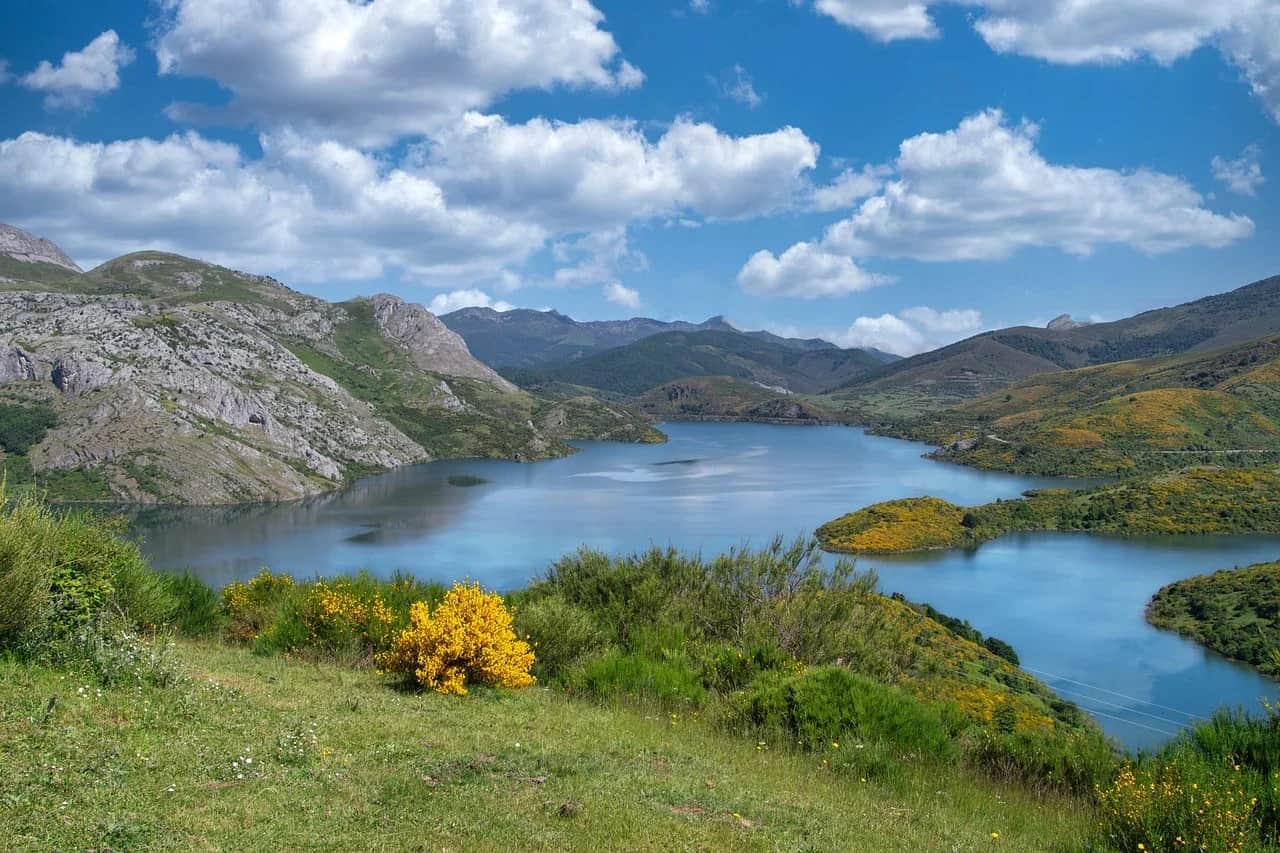
The Dagala Thousand Lakes Trek is one of Bhutan’s most enchanting high‑altitude hiking experiences, leading adventurers through remote alpine valleys dotted with pristine mountain lakes. Named for the countless shimmering lakes that appear along the ridgelines, this trek offers breathtaking panoramas of the Bhutanese Himalayas, including views of peaks such as Mt. Everest (Nepal), Jumolhari, Masang Gang, Jichu Drake, and Gangche Ta from high vantage points.
Far from the conventional tourist trail, the trek begins near Gynekha village and traverses through rhododendron forests, wildflower meadows, yak pastures, and camped shores of alpine lakes like Utsho Lake. Overnight camps allow trekkers to embrace silence, starry skies, and the purity of Bhutan’s high country while learning about nomadic herding culture.
This moderate‑grade trekking adventure provides a remarkable combination of wilderness solitude, cultural encounters with remote mountain communities, and panoramic Himalayan views — ideal for travelers seeking an active, immersive journey into Bhutan’s natural heartland.
- Genekha Village: Traditional Bhutanese hamlet and trek start point
- Yak Pastures & Meadows: Quiet campsites amidst wild alpine flora
- Pagalabtsa Pass (~4,170 m): Panoramic Himalayan ridge views
- Utsho Lake (4,300 m): Campsite beside tranquil trout‑filled waters
- High Alpine Lakes: Multiple shimmering tarns and glacial pools
- Himalayan Panoramas: Views including Everest, Kanchenjunga, Jomolhari & more
- Chamgang Village: Traditional Bhutanese village and end of trek
The trek traditionally begins from Gynekha, a village nestled in the hills near Thimphu, and follows ancient herder trails into the Dagala range. You will ascend through terraced fields, mixed forest, alpine meadows, and high passes, camping beside sparkling lakes. Days on the trail allow for exploration of high country lakes. Reli Tsho, Hen Tsho, and Jama Tsho are popular side trips, before descending toward Panka and eventually down to Chamgang village. From Chamgang, private transport returns trekkers to Thimphu.
This route offers a unique perspective on Bhutan’s quiet wilderness, far from regular tourist routes, blending natural serenity with Himalayan grandeur.
- Day01Day 1: Arrival in Paro
Arrive in Bhutan at Paro International Airport and transfer to your hotel. Acclimatize with light sightseeing in Paro Valley or rest before the trek begins.
- Day02Day 2: Paro Sightseeing & Trek Briefing
Explore iconic sites such as Rinpung Dzong and the National Museum. In the afternoon, meet the trekking crew and review the trail plan.
- Day03Day 3: Paro to Gynekha (Trek Start)
Drive to Gynekha, passing through riverside roads and lush forests. Begin the trek with a gentle walk through village fields to reach your first campsite at Gur.
- Day04Day 4: Gur to Labatama (~4,280 m)
Trek across alpine ridges and meadows. Cross Pagalabtsa Pass, with sweeping views of high peaks, and descend into the Labatama valley where your high alpine lake campsite awaits.
- Day05Day 5: Explore Labatama Lakes
A dedicated rest and exploration day at Labatama allows side trips to nearby lakes such as Reli Tsho, Hen Tsho, and Jama Tsho, perfect for photography, relaxation, or gentle fishing beside tranquil waters.
- Day06Day 6: Labatama to Panka (~4,000 m)
Continue trekking through the Dagala range. From high ridges, enjoy stunning Himalayan views before descending toward yak herder camps and your next campsite in Panka.
- Day07Day 7: Panka to Chamgang (~2,820 m), End of Trek
Trek down through forested slopes, alpine landscapes, and rolling terrain to reach Chamgang Village, where your support vehicle will be waiting. Transfer back to Thimphu or Paro for rest.
- Day08Day 8: Leisure in Thimphu / Paro
Rest day in Thimphu or Paro with optional sightseeing: capital highlights in Thimphu or village life in Paro.
- Day09Day 9: Departure from Paro
Transfer to Paro International Airport for onward flights, concluding your Himalayan trekking adventure.
The best time for the Dagala Thousand Lakes Trek is during spring (March–June) and autumn (September–November), when weather conditions are stable, and views of the Himalayan range are at their clearest. Spring showcases wildflowers and lush alpine meadows, while autumn brings crisp air and superb visibility, making both seasons ideal for high‑altitude trekking and photography.
The best time for the Dagala Thousand Lakes Trek is during spring (March–June) and autumn (September–November), when weather conditions are stable, and views of the Himalayan range are at their clearest. Spring showcases wildflowers and lush alpine meadows, while autumn brings crisp air and superb visibility, making both seasons ideal for high‑altitude trekking and photography.
Bhutan’s trekking experiences are governed by its sustainable tourism policy and require planning, preparation, and respect for local culture and high mountain environments. Understanding altitude, permits, safety, and cultural etiquette ensures a rewarding journey.
Altitude Considerations
The Dagala Thousand Lakes Trek reaches high elevations, up to around 4,520 m. Gradual acclimatization, ample hydration, and pacing are key to avoiding altitude discomfort. Trekkers should be aware of symptoms such as headache, nausea, or dizziness and notify guides immediately if they occur.
Permit & Fee Requirements
All international visitors to Bhutan must have a Bhutan Visa arranged through a licensed operator, along with the required Sustainable Development Fee (SDF). Trekking permits and associated fees are also organized by your tour operator. Independent trekking without permits is not permitted.
Travel Insurance
Comprehensive travel insurance is essential for trekking — it should cover medical emergencies, high altitude evacuation, trip interruption, and lost luggage. Carry both digital and printed copies of your policy during the trek.
Packing Essentials
Key items include layered clothing, waterproof trekking boots, trekking poles, sun protection (hat, sunscreen, sunglasses), personal medications, a warm sleeping bag appropriate for camping at high altitudes, reusable water bottles, and a small daypack. Modest clothing is recommended for cultural visits before and after the trek.
Meals and Cuisine
Meals during the trek are typically local and nutritious, designed to fuel long walking days. Expect Bhutanese staples, seasonal vegetables, rice, soups, and energizing snacks. Special dietary needs can usually be accommodated with advance notice.
Transportation and Logistics
The trek begins near Thimphu or Paro and ends at Chamgang, with transport arranged to connect your trek start and finish with hotels. Flights arrive in Paro International Airport, Bhutan’s main entry point, serviced by Druk Air and Bhutan Airlines.
Currency and Payments
Bhutan’s official currency is the Ngultrum (BTN), pegged to the Indian Rupee (INR). ATMs are available in major towns, but cash is preferred in remote regions. Credit cards are accepted at select hotels and urban venues.
Give us a review
Pricing
Number of people
Price per person