



Destination
Bhutan
Duration
6 days and 5 nights
Difficulty
Moderate
Max. Elevation
3100 m
Group Size
Max. 15 pax
Accommodation
Standard Options
Vehicles
N/A
Food
Bed included, includes: No meals included
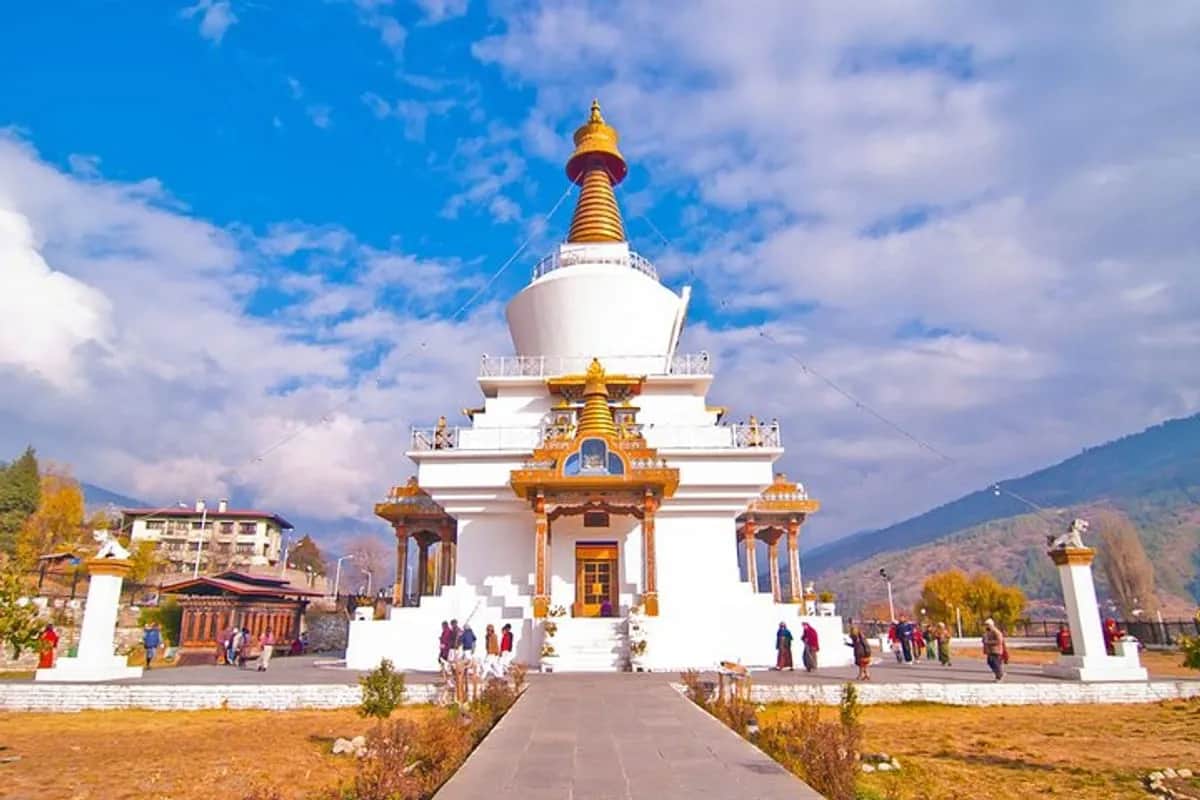
Bhutan, known as the Land of the Thunder Dragon, offers a cultural tapestry woven from ancient Buddhist traditions, majestic dzongs, and serene Himalayan scenery. The Golden Triangle Bhutan Tour – 6 Days presents a compact yet enriching journey through Bhutan’s most iconic cultural and historical landmarks. Designed for travelers seeking a deep cultural immersion in a short time, this tour covers Paro, Thimphu, and Punakha, the three pillars of Bhutanese heritage, sometimes referred to as the “Golden Triangle.”
This six-day experience combines spiritual architecture, traditional Bhutanese lifestyles, and breathtaking natural beauty. From historic fortress-monasteries perched above river confluences to vibrant urban centers embracing tradition and modernity, travelers experience Bhutan’s serene way of life with expert local guides, comfortable transport, and carefully selected accommodations. Whether it’s exploring ancient temples or savoring local cuisine, every moment in this tour reflects Bhutan’s profound respect for culture, nature, and happiness.
- Paro Valley: Scenic valley framed by traditional villages
- Rinpung Dzong (Paro): Historic fortress and church of Paro district
- National Museum of Bhutan (Ta Dzong): Cultural and historical artifacts
- Tiger’s Nest Monastery (Taktsang) (Optional): Iconic cliff-side monastery
- Thimphu City: Bhutan’s capital with rich cultural landmarks
- Tashichho Dzong: Administrative and religious center of Bhutan
- Buddha Dordenma Statue: Massive Buddha statue overlooking Thimphu
- Dochula Pass (3,100m): Panoramic Himalayan vistas
- Punakha Dzong: Majestic fortress located at the confluence of two rivers
- Chimi Lhakhang: Fertility temple with local spiritual significance
The Golden Triangle Bhutan Tour – 6 Days begins in Paro, the cultural gateway to Bhutan. After exploring Paro’s heritage, including its dzongs and museums, the journey continues to Thimphu, Bhutan’s capital, where tradition seamlessly coexists with everyday life. From there, you cross Dochula Pass to reach the fertile Punakha Valley, home to one of Bhutan’s most iconic fortress-monasteries.
This circular route offers an excellent blend of landscapes, culture, and spiritual depth while maintaining an easy pace suited for all kinds of travelers. With short travel times between destinations and planned sightseeing at a relaxed tempo, this tour is ideal for first-time visitors or those with limited travel days.
- Day01Day 1: Arrival in Paro (2,250m)
Arrive at Paro International Airport, where you will be welcomed by your local guide and transferred to your hotel. After check-in, enjoy a stroll around Paro town, allowing yourself to absorb the calm ambiance of Bhutan’s rural landscapes.
- Day02Day 2: Paro Sightseeing
Explore Paro’s cultural treasures, starting with the National Museum of Bhutan (Ta Dzong), which showcases Bhutanese art, history, and artifacts. Continue to Rinpung Dzong, an iconic fortress with intricately carved woodwork and panoramic valley views. In the afternoon, enjoy local markets or optional attractions.
- Day03Day 3: Paro to Thimphu (2,300m, 55 km / ~1.5 hrs)
Drive to Thimphu, Bhutan’s serene capital city. Visit Tashichho Dzong, the seat of government and monastic body, and stop by the Buddha Dordenma Statue, a colossal bronze figure offering sweeping views of the valley. Explore local markets in the evening.
- Day04Day 4: Thimphu to Punakha (1,300m, 75 km / ~3 hrs)
Travel through the scenic Dochula Pass (3,100m) with its 108 memorial chortens and Himalayan panoramas. Descend into the Punakha Valley and visit Punakha Dzong, an architectural jewel situated between two rivers. Later, proceed to Chimi Lhakhang, a temple symbolizing fertility and blessing.
- Day05Day 5: Punakha to Paro
After breakfast, drive back to Paro. Enjoy the scenic landscapes and stop at viewpoints and traditional villages for photographs. The rest of the day is free for leisure, souvenir shopping, or a traditional Bhutanese hot stone bath.
- Day06Day 6: Departure from Paro
After breakfast, transfer to Paro International Airport for your onward flight, concluding your Golden Triangle Bhutan journey with lasting memories of culture, spirituality, and Himalayan tranquility.
The ideal periods to experience the Golden Triangle Bhutan Tour are spring (March–May) and autumn (September–November). During the spring, valleys and hillsides burst with rhododendron blooms and mild weather, making scenic drives and hikes even more enjoyable. Autumn offers stable skies, crisp air, and spectacular views of the Himalayan peaks, along with cultural festivals such as Thimphu Tshechu and Paro Tshechu, adding festive cultural immersion to your journey. Winter brings clear skies and quieter sightseeing, but it can be colder. In contrast, the monsoon season sees occasional rain; however, lush green landscapes make travel still rewarding with proper planning.
The ideal periods to experience the Golden Triangle Bhutan Tour are spring (March–May) and autumn (September–November). During the spring, valleys and hillsides burst with rhododendron blooms and mild weather, making scenic drives and hikes even more enjoyable. Autumn offers stable skies, crisp air, and spectacular views of the Himalayan peaks, along with cultural festivals such as Thimphu Tshechu and Paro Tshechu, adding festive cultural immersion to your journey. Winter brings clear skies and quieter sightseeing, but it can be colder. In contrast, the monsoon season sees occasional rain; however, lush green landscapes make travel still rewarding with proper planning.
Bhutan’s strength as a travel destination lies in its deep cultural preservation, strong spiritual heritage, and sustainable tourism approach. To ensure a smooth and respectful journey, travelers should familiarize themselves with local norms, permit requirements, and practical logistics well in advance of departure.
Altitude Considerations
While Bhutan’s elevations are not extreme compared to some Himalayan regions, destinations like Dochula Pass and higher viewpoints may still require basic acclimatization. Paro and Thimphu sit around 2,250–2,300 meters above sea level, and occasional short hikes or temple approaches may involve mild elevation gain. Staying hydrated, pacing yourself, and listening to your guide’s instructions will help ensure comfort throughout your journey.
Permit Requirements
All international visitors to Bhutan must obtain a Bhutan Visa and pay the Sustainable Development Fee (SDF), which covers government services, accommodation, food, and transportation as part of Bhutan’s tourism policy. Visas and fees are arranged only through licensed Bhutanese tour operators before arrival. Independent travel is not permitted in Bhutan; all movement must be with an authorized guide.
Travel Insurance
Comprehensive travel insurance covering medical treatment, emergency evacuation, trip interruption, and loss of belongings is strongly recommended. While Bhutan has basic health facilities, this ensures peace of mind during travel between valleys and cultural sites.
Packing Essentials
Pack layered clothing for changing temperatures, especially in mountainous passes. Comfortable walking or light hiking shoes are essential for sightseeing. Include sun protection (hat, sunglasses, sunscreen), personal medications, reusable water bottles, toiletries, and a daypack. Modest attire is required at temples and dzongs.
Meals and Cuisine
Bhutanese cuisine offers hearty, flavorful dishes that reflect local produce and culture. Expect dishes featuring red rice, vegetables, soups, and the famous spicy ema datshi (chili and cheese). Meals also include mild Indian or limited international options. Dietary preferences can typically be accommodated with prior notice.
Transportation and Flights
The tour begins and ends in Paro, accessible via Paro International Airport with connections from major cities such as Delhi, Kolkata, Bangkok, and others through Druk Air or Bhutan Airlines. Ground transport throughout Bhutan is provided by private vehicles with experienced drivers familiar with mountain roads.
Currency and Payments
Bhutan’s official currency is the Bhutanese Ngultrum (BTN), pegged at parity with the Indian Rupee (INR), which is also widely accepted. Exchange counters are available in major towns, but cash is preferred in smaller markets and rural areas. Credit cards are accepted in select hotels and urban establishments.
Give us a review
Pricing
Number of people
Price per person